Afridi visits Charsadda to attend Quran-Khwani for late religious scholar
DLP Report
CHARSADDA
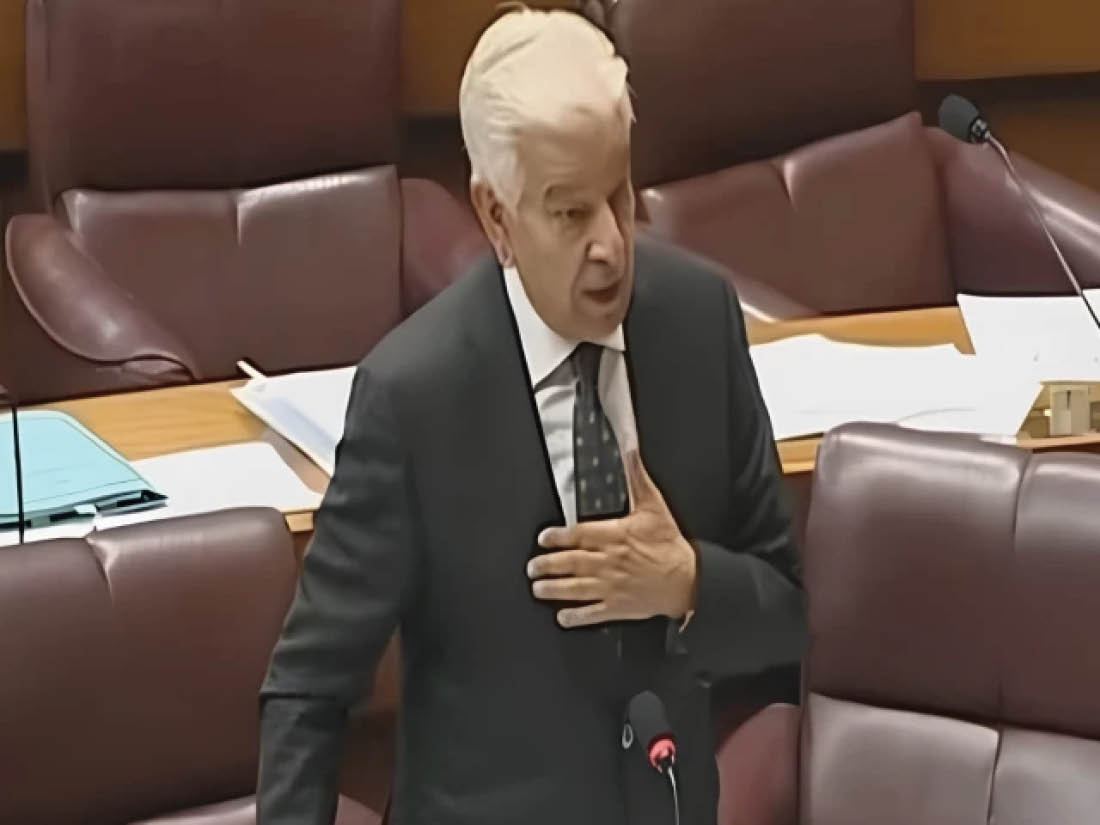
Chief Minister Muhammad Sohail Afridi on Thursday said the “cycle of bloodshed and funerals” in the region must come to an end, as he expressed concern over the prevailing law and order situation following the killing of noted religious scholar Maulana Muhammad Idrees Shaheed.
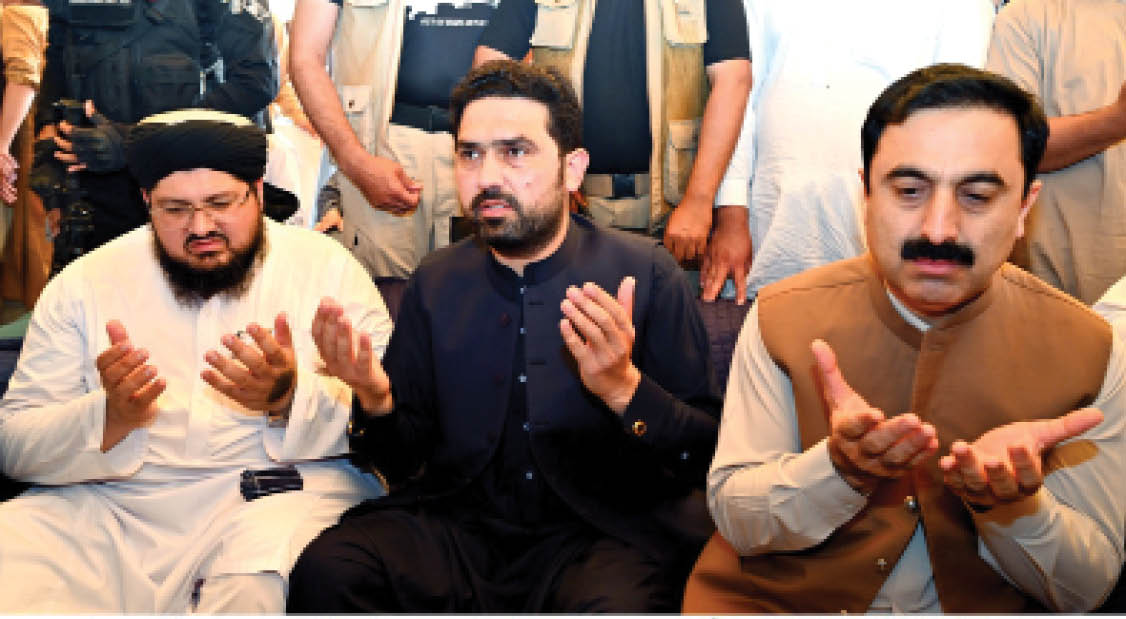
The chief minister made the remarks while attending a Quran Khwani held for the late scholar in Charsadda. He offered prayers for the departed soul and expressed condolences to the bereaved family, students and associates of the slain cleric.
Mr Afridi said strict directives had already been issued for the immediate arrest of those involved in the assassination of Maulana Idrees Shaheed.
Addressing the gathering, Mr Afridi termed the killing of Maulana Idrees a great loss for the Muslim Ummah and paid tribute to his religious, academic and intellectual services.
He said the large participation of people from different walks of life in the funeral prayer reflected the respect and affection the public had for the late scholar and demonstrated his commitment to truth and righteousness.
The chief minister said the provincial government and the people of KP stood in solidarity with the bereaved family during the difficult time.
Referring to the law and order situation, he questioned why such incidents continued to occur and why people in the region remained displaced, insecure and vulnerable to violence.
Mr Afridi said terrorists did not differentiate between political parties, religious schools of thought or organisations and were targeting every influential and credible voice in society.
He said the region had been paying the price of instability and terrorism since Pakistan joined what he described as a foreign-imposed proxy war in 2002, adding that the people had endured loss and violence for the last 23 years.
The chief minister said all political and religious parties, as well as representatives of different schools of thought, had rejected policies formulated “behind closed doors” on the floor of the assembly. However, he claimed that despite political consensus, such policies continued to be imposed on the people.
He said the struggle for peace was not the fight of a single political party or class but a collective cause of the entire region, adding that the people could no longer afford decisions imposed without public consultation.
He added that he was personally monitoring the investigation on a daily basis and assured that all available resources would be utilised to bring the perpetrators to justice.