Zulfiqar Ali Shirazi
The snapshot, on the sixtieth day of the USA-Iran war, clearly shows where the focus is and where the priorities lie that are to shape the ceasefire, which already is fragile and at the cusp of triggering another phase of hostilities. What has been happening in Washington and what has been happening in Islamabad has drawn international attention during the last fortnight or so. If cleanly dissected, the situation gives away who is winning, who has the upper hand, who is losing and is trying to save some grace from the rubble of ego in this war. It’s reality check time.
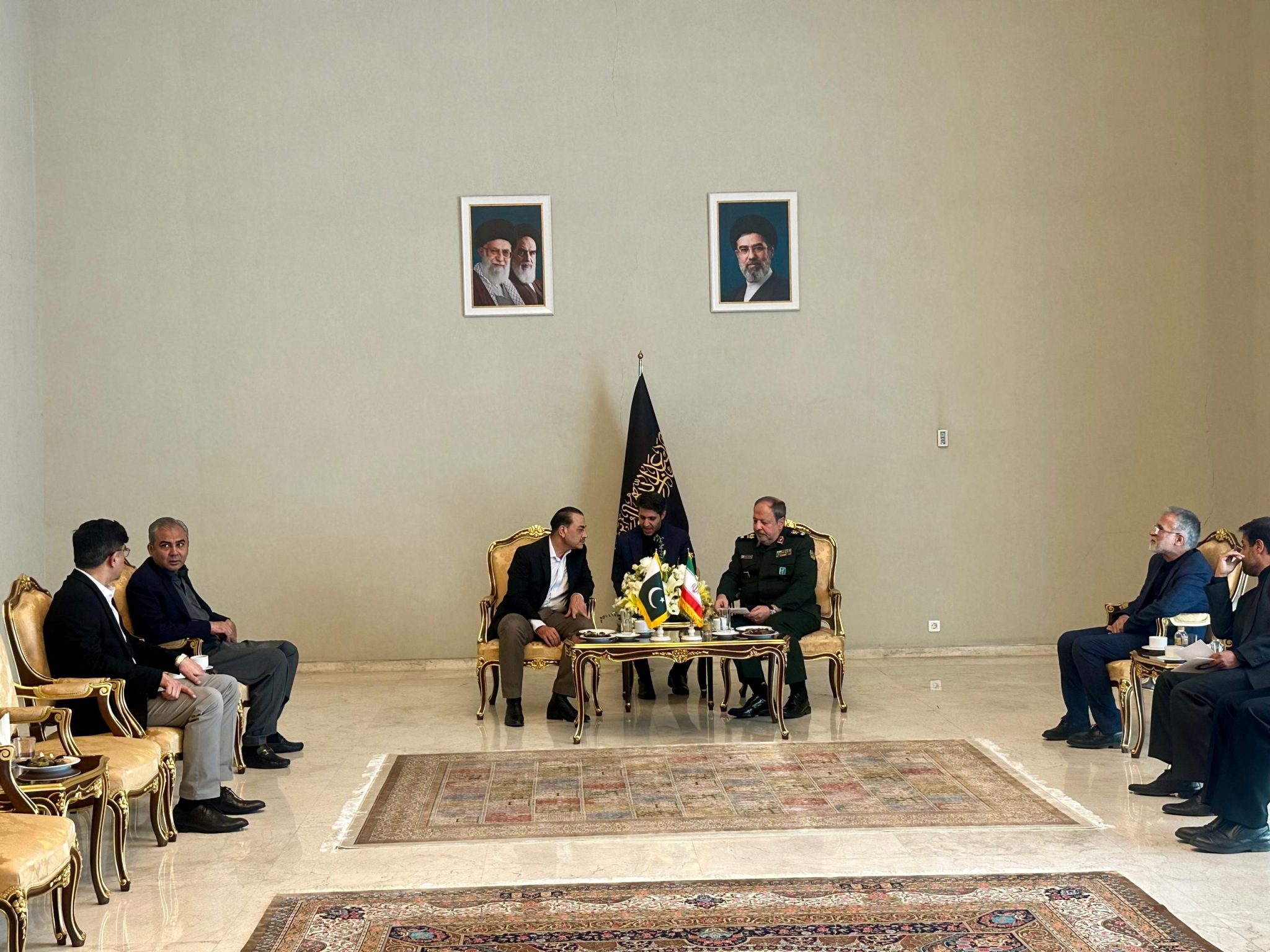
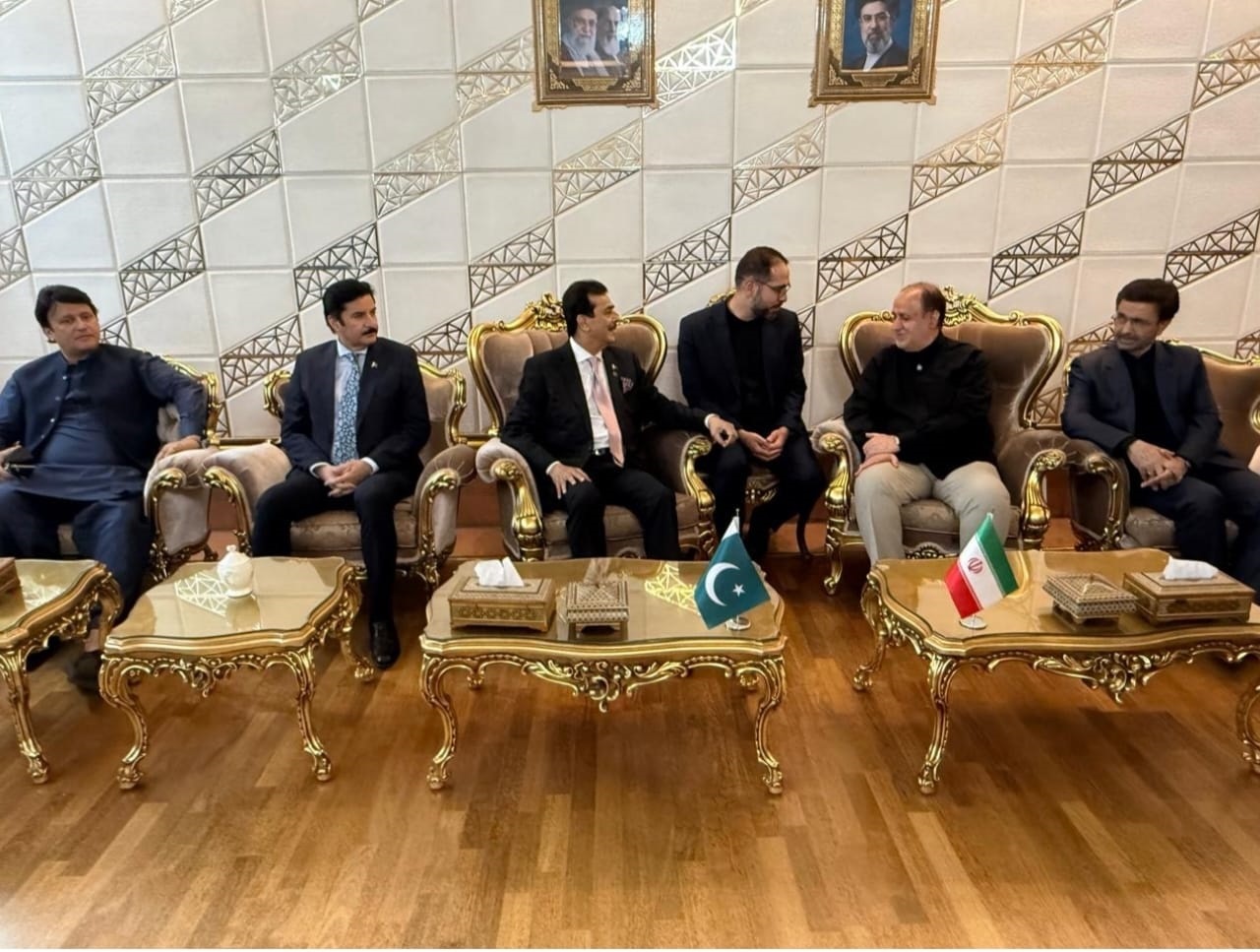
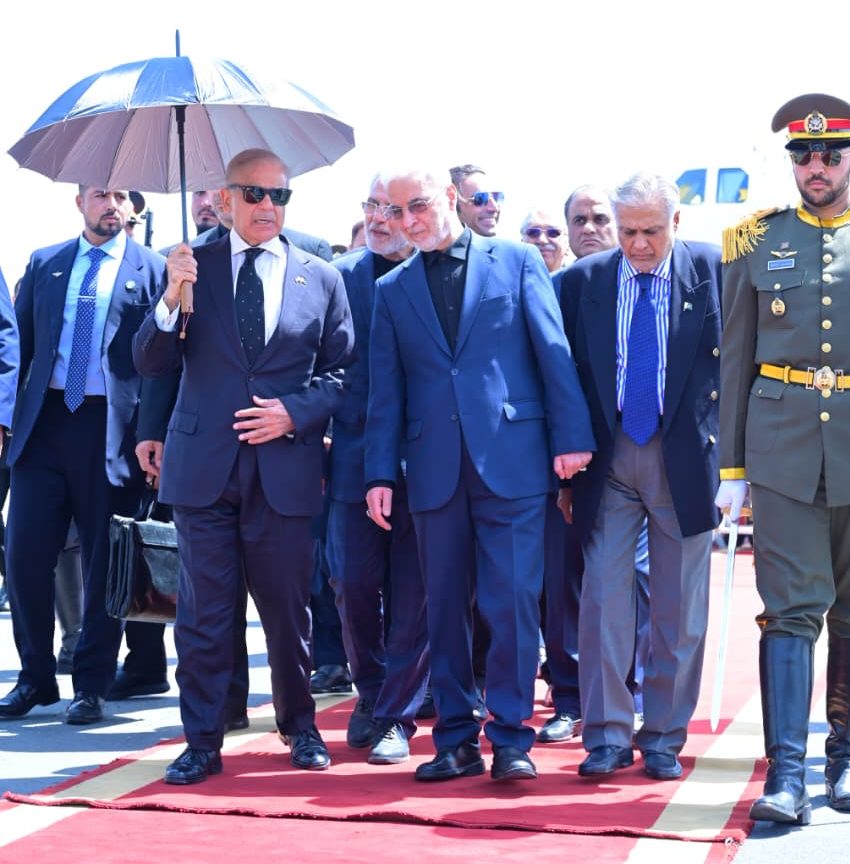
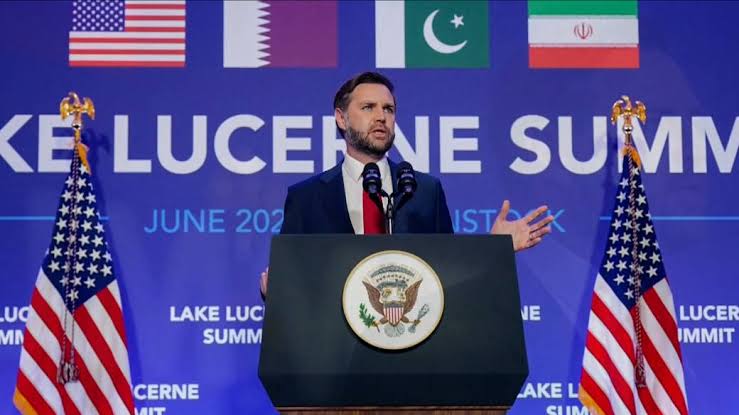
A couple of nights back, President Trump was evacuated from the White House correspondents’ dinner after a gunman fired multiple shots at his security. As President Trump scrambled to safety, Iran’s foreign minister Araghchi was jettisoning between Islamabad and Muscat, carrying out meetings and consultations for a second round of talks, with Pakistan’s Prime Minister and the Sultan of Oman. Such like contrasts are visible across multiple dimensions. Let us take diplomatic presence first; Iran had its top diplomats physically present in two countries during the last fortnight, showing positive intent, building goodwill, and negotiating frameworks, whereas President Trump prioritised a shooting investigation over war, calling off his peace envoys Witkoff and Kushner’s planned travel to Pakistan, citing handling of negotiations on the phone instead of taking a fifteen-hour-long flight. Reality check one: Iran remained engaged in face-to-face diplomacy across multiple capitals, whereas the USA chooses to say hello over the phone. The superpower chose absence; a runaway in effect. The regional power chose to leverage its presence instead.
Reality check two: the maritime reality. The US Navy had redirected forty ships since the blockade came into effect, and keypunching of these lines. It had, by then, claimed to have launched “Operation Economic Fury”, seizing three and sanctioning twenty vessels in a single day. Iran claimed seizing two ships that very day and engaging them in fire, the third. Hormuz remained a contested warzone during a so-called cease-fire. The world continued to lose commerce. Reality check three: the financial reality. Iran’s Deputy Speaker confirmed last week that the first toll revenue from the Strait of Hormuz has been deposited into the Iranian central bank’s account. The toll system remained operational, generating real income in a cease-fire during an enforced naval blockade. Iran has built a revenue stream from the world’s most critical chokepoint.
Reality check four: the political reality. Heavens can wait, it seems not the case; as per President Trump claims, he has all the time in the world to seek an end to the war, whereas a former US ambassador to Bahrain, in stark contrast, stated that Iran can outlast not only Trump’s patience but also already meagre public support for the war in the USA. Presidential approval ratings are getting lower by the day. Surveys showing 60% of Americans oppose the war do not augur well for the President, with midterms only six months away. On the contrary, there is no political rush in Iran with no elections looming over the horizon.Politics
Reality check five: the military reality. A third aircraft carrier has arrived in the Middle East, making a total of three carrier strike groups deployed simultaneously for the first time in over 20 years. Every carrier being deployed in the Gulf renders the Western Pacific more carrier-free, exposing Taiwan to China. The Iran war is winning China’s strategic competition without China firing a single shot, and riding on the crest is Iran, remaining undeterred by this force projection by the USA, stating unequivocally that it will not enter forced negotiations under military threats.
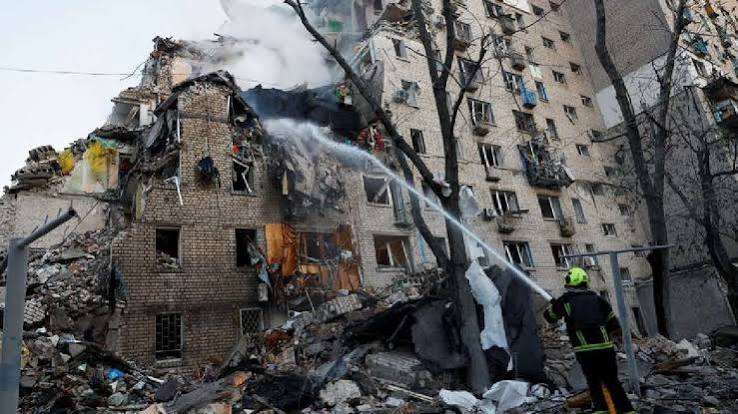
Reality check six: the economic reality. The war has produced the largest oil supply disruption in over 40 years, with the closure of the Strait of Hormuz cutting off roughly one-fifth of global seaborne crude plus vital flows of LNG, fertiliser, and helium critical to semiconductor production. The US households absorbed the largest single-month gasoline prices since 1967. Goldman Sachs cut its 2026 US GDP forecast to 2%, and consumer sentiment has fallen to its lowest point since the 1950s. The World Bank has warned that cumulative waves of energy, food, and inflation shocks will push up interest rates globally, making debt more expensive, with the IMF flagging outright recession risk. Meanwhile, Russia is pocketing an estimated USD161Billion in additional export revenues. China and Russia are deepening their economic ties with Iran through a multibillion-dollar investment pact and a Eurasian free trade agreement. A new economic counter bloc comprising Russia, Iran, Turkey, Pakistan and Indonesia is consolidating outside the Western financial system. The USA’s economic ties with its Western and Arab allies evaporated in thin air, with Gulf Arab countries’ confidence in the USA’s security guarantees fractured like never before. European allies acted without Washington on Strait of Hormuz reopening plans.Regional news alerts
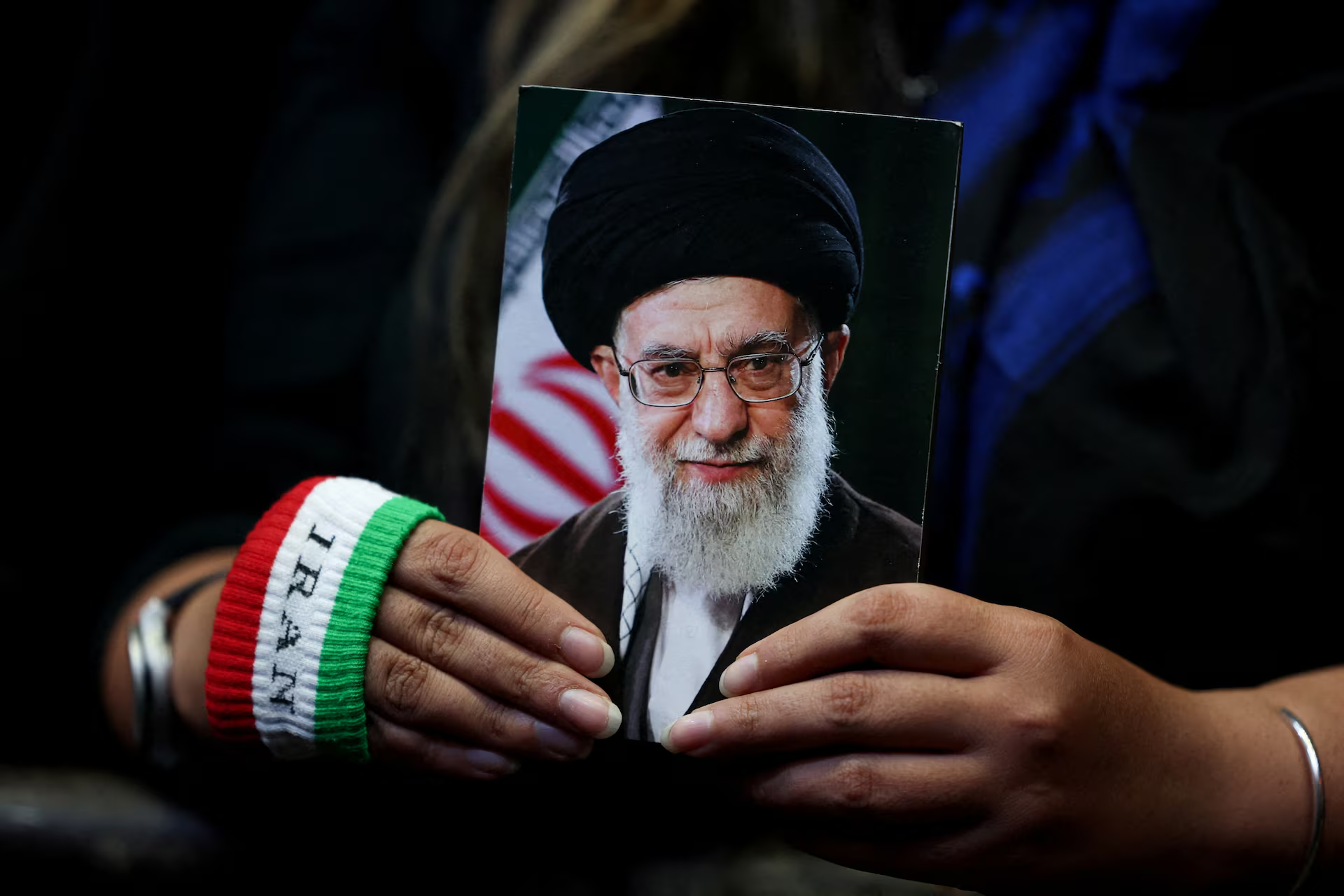
Last but not least is the bandwidth reality. This is one dimension that the above-mentioned snapshot reveals most clearly. Iran’s leadership is unfocused on the war and its resolution on its own terms. On the other hand, the USA’s leadership is simultaneously managing the effects of cancelled peace talks, a naval blockade, ship seizures, sanctions, cease-fire extension, domestic political opposition, midterm elections and now a third assassination attempt on the President. Multifocal versus unifocal, swift and relentless pursuit of the mission versus mission creep, all add up to the underlying bandwidth asymmetry between the USA and Iran. Top priority for Iran, for sure, is to deny the USA its mission and strategic objectives. The USA seems to be juggling multiple priorities, each making its actual mission creep and strategic objectives untenable. It won’t be an overstatement that Iran is building up its diplomatic stature across the region, whereas the USA lies snoring on this front. Who is making the most of the window of opportunity afforded by this ceasefire, and who is being consumed by war; reality is etched all over.