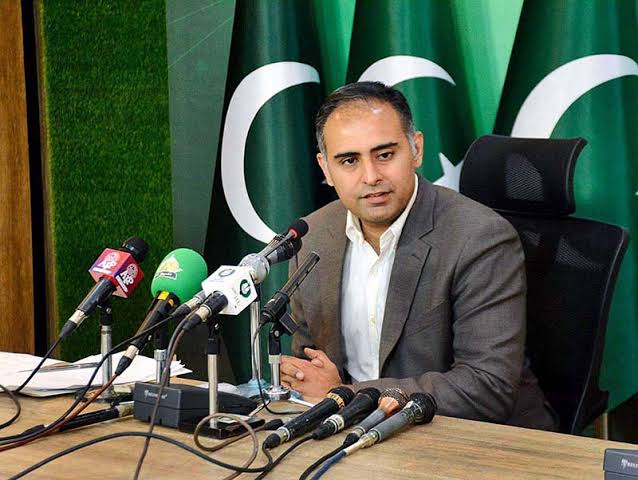
Minister of State for Finance Bilal Azhar Kayani on Friday informed the National Assembly that no cases of under-invoicing had been detected in the commercial import of used vehicles or solar panels during the last five years, according to data shared by the Federal Board of Revenue (FBR).
Responding to questions during the question hour, the minister clarified that while concerns regarding under-invoicing in certain import categories existed in general, no specific case involving companies in the import of used vehicles or solar panels had been reported.
He informed the House that under SRO 1895(I)/2025 issued on September 30, 2025, the government had allowed the commercial import of five-year-old used vehicles until June 30, 2026. However, he noted that no commercial imports of used vehicles under this SRO had taken place so far.
The minister added that, as a result, there were currently no cases of under-invoicing in the used car import category, and the matter may be treated as “nil” in terms of reported violations.
Regarding solar panels, Bilal Azhar Kayani stated that Customs field formations have not detected any case of under-invoicing in solar panel imports during the past five years on the basis of direct evidence. He said the government is implementing a range of reforms under the Federal Board of Revenue to address evasion risks, including faceless customs systems, post-clearance audits, and enhanced risk management systems aimed at ensuring data-driven identification of high-risk consignments.
The minister said these measures are designed to minimize human interaction in customs assessments and improve transparency in trade facilitation and enforcement.
On supplementary questions, he also highlighted the government’s broader relief and energy policies, noting that the Benazir Income Support Programme (BISP) currently has a budget of Rs. 716 billion, benefiting more than 10 million deserving families, primarily through women beneficiaries.
He further said the government continues to promote solar energy under its energy transition strategy, adding that net metering policies remained intact for existing consumers, while new users were being shifted to net billing mechanisms to ensure system sustainability.
Bilal Azhar Kayani said despite fiscal constraints, the government has provided targeted subsidies and relief measures to protect citizens from economic pressures while maintaining fiscal discipline.