New evidence shows that every PKR 1 invested by BISP generates about PKR 2.34 in real income: Pakistan’s Social Safety Nets Drive Growth, Jobs and Economic Resilience
islamabad
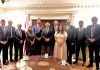
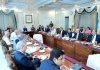
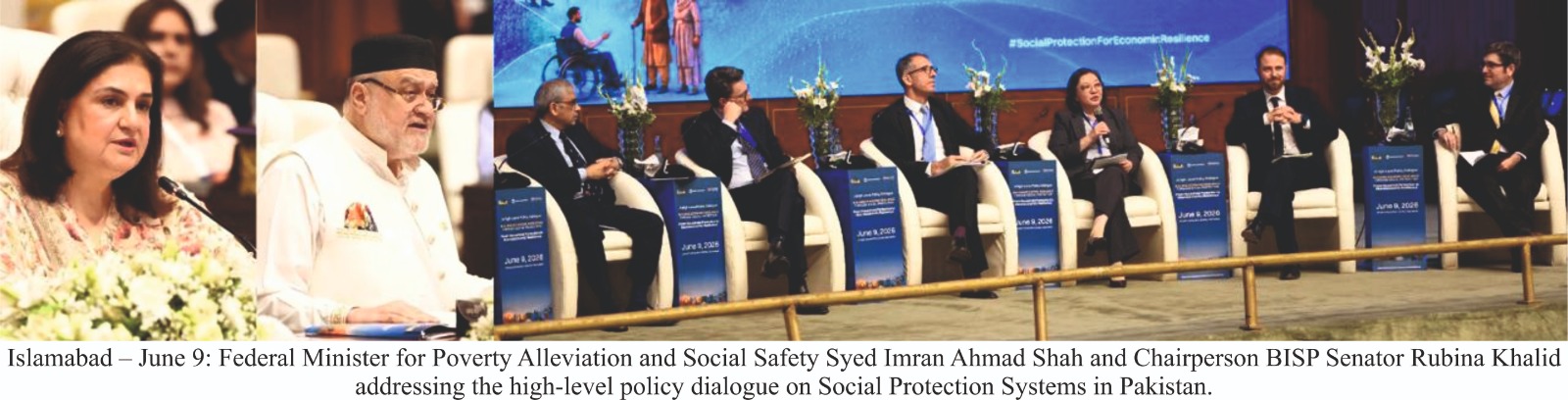
A high-level policy dialogue titled “Building Economic Resilience Through Social Protection: From Household Protection to Macroeconomic Resilience” was held in Islamabad jointly by the Benazir Income Support Programme (BISP) and the World Bank, with support from the FCDO. The event brought together federal and provincial leadership, development partners, IMF representatives, and leading researchers to examine the evolving role of social protection in Pakistan’s economy.
New evidence presented at the dialogue shows that BISP-led social safety nets now reach over 10.2 million households (about 24% of families) and generate significant economic activity and employment. The LEWIE–CGE based analysis finds that each PKR 1 transferred through BISP generates an estimated PKR 2.34 in real income, resulting in about PKR 1.67 trillion in annual income and PKR 1.21 trillion in additional production. The programme also supports around 1.66 million full-time-equivalent jobs, while 68% of the income gains reach the poorest 40% of households and nearly 24% of costs are offset through tax revenues of about PKR 174 billion annually.*
Federal Minister for Poverty Alleviation and Social Safety, Syed Imran Ahmad Shah said that the Government of Pakistan, in line with the Prime Minister’s vision, is expanding social protection programmes through skill development initiatives to create greater employment opportunities. He stated that social protection is now a central pillar of Pakistan’s economic policy, and the evidence presented further strengthens its importance and positive economic impact.
He added that aligning economic reforms with social protection is essential for sustainable national development. He appreciated the collaboration of the World Bank and FCDO in supporting vulnerable communities and commended BISP Chairperson Senator Rubina Khalid and her team for their efforts in serving millions of deserving families. He emphasized the need to further strengthen joint efforts to expand opportunities for the poor and vulnerable segments of society.
Chairperson BISP Senator Rubina Khalid said that BISP has become the backbone of Pakistan’s social protection system, going beyond financial assistance to promote human development and economic empowerment. She said the programme reflects the vision of Shaheed Mohtarma Benazir Bhutto and continues to serve as a model of women’s empowerment and social inclusion.
She stated that social protection provides families with the confidence to plan for a better future, while contributing to education, employment, and human capital development. She highlighted that BISP is actively promoting education, maternal and child health, and skills development initiatives, including the Benazir Hunarmand Programme, which is a key step towards self-reliance.
Senator Rubina Khalid further said that BISP possesses a strong institutional framework, reliable data systems, and effective partnerships, but emphasized the need to make the system more comprehensive, efficient, and responsive to emerging challenges. She stressed that poverty reduction requires sustained political commitment and adequate resources, adding that social protection is not charity but an investment in economic growth, employment, and human development.