LAHORE
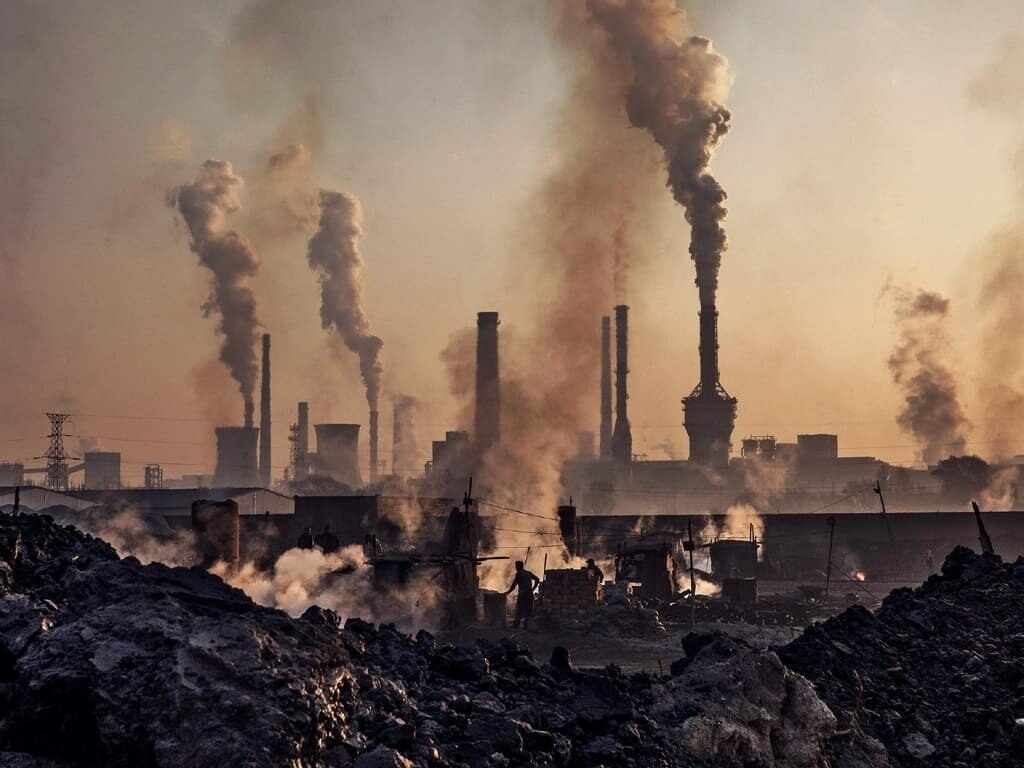
Business leaders have termed air pollution a material financial risk for Pakistan’s economy and called on banks to incorporate pollution-related risks into their lending and credit assessment decisions.
The demand was raised at a roundtable, “Breathing Inequality: Air Pollution, Unequal Mobility and People-Related Financial Risk in South Asia,” organised by Fair Finance Pakistan at LUMS on Sunday as part of AAS-in-Asia 2026.
The session, chaired by Dr Abid Aman Burki, Professor Emeritus of Economics at LUMS, brought together representatives of industry, financial institutions, atmospheric science, parliament and civil society to discuss the economic and social consequences of polluted air.
Industry participants said air pollution was already affecting businesses through poorer workforce health, reduced productivity, rising operational costs and increasing regulatory and reputational pressures. However, they said these costs largely remained invisible in the accounts of companies and the credit assessments conducted by banks.
Participants observed that banks continued to assess borrowers largely through conventional financial indicators, while health, productivity and livelihood costs associated with air pollution were generally left outside credit appraisal.
They argued that continued financing of pollution-intensive activities without adequately assessing their environmental and financial risks could deepen existing inequalities, as the costs of pollution often fall disproportionately on people and communities with fewer resources to avoid exposure.
A key concern raised at the discussion was the implementation of the State Bank of Pakistan’s Green Taxonomy. Participants called for the framework to become more practical, sector-specific and enforceable, with clear criteria for industries such as textiles, cement, energy and steel.
They said broad definitions of green financing were not sufficient and that banks and businesses needed clear guidance on implementation, measurable indicators and practical pathways for reducing pollution.
The participants proposed the development of risk matrices that would incorporate air pollution into lending decisions and enable banks to identify and manage pollution-related risks across their portfolios.
They also stressed the need for technical assistance and appropriate financing terms to help smaller businesses shift towards cleaner production methods.
According to participants, a stronger and more operational Green Taxonomy could help connect environmental performance with financial decision-making and encourage investment in cleaner technologies and production.