Ali Nawaz Rahimoo
Pakistan stands at a defining ecological and socio‑economic crossroads. The climate that once structured seasonal planting and harvests, supported livelihoods, and shaped human settlement is now destabilized by intensifying extremes. From record heatwaves and prolonged droughts to devastating floods and rising sea levels, climate change is no longer a distant threat it is reshaping life in Pakistan today and will deeply influence the country’s future. Unlike major emitters, Pakistan contributes less than 1% to global greenhouse gas emissions, yet it bears a disproportionate burden of climate risk.
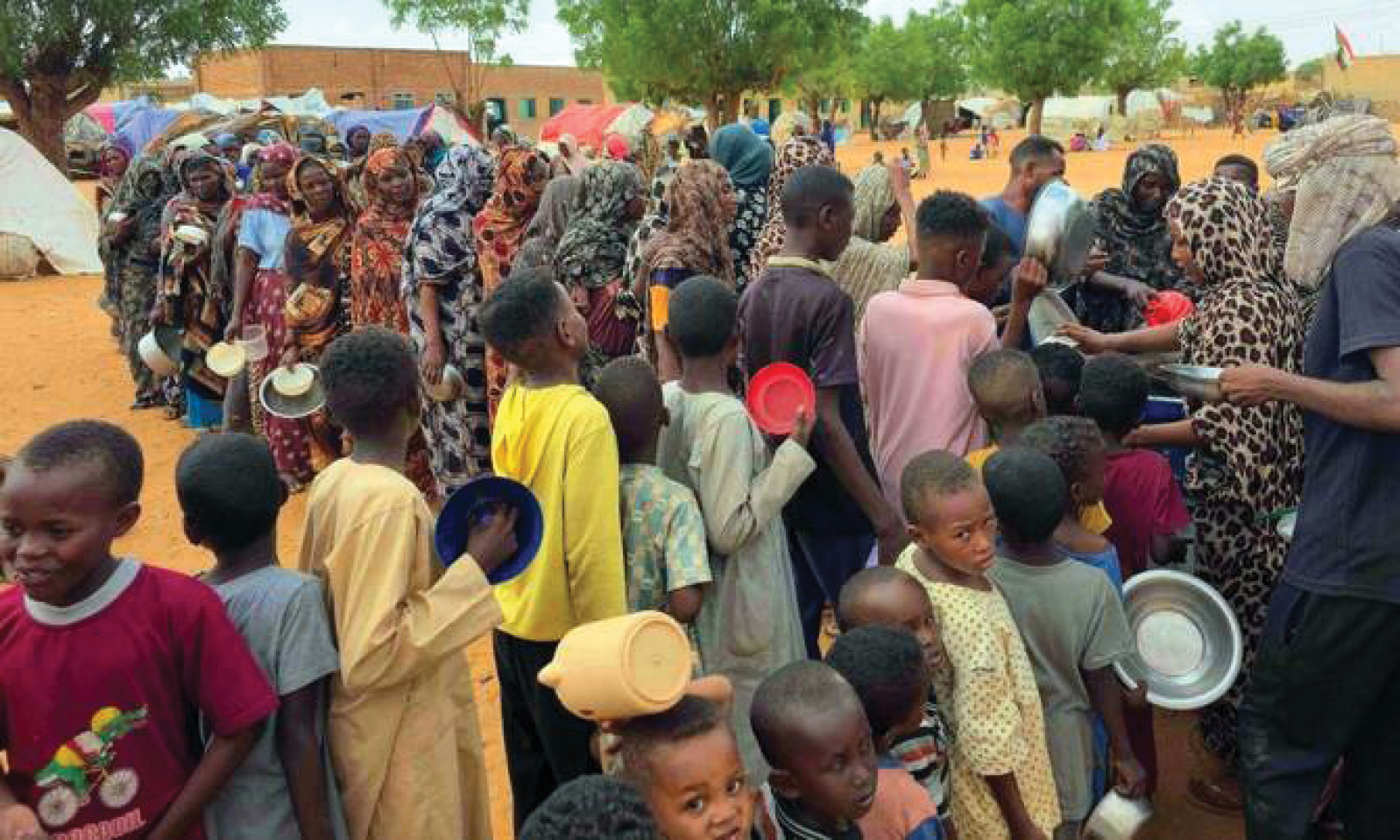
Climate risk rankings make Pakistan’s vulnerability unmistakable. According to the 2025 Climate Risk Index (CRI) by the European think‑tank German watch, Pakistan was ranked the most climate‑vulnerable country in the world in 2022 the first time it topped this list in large part due to unprecedented flooding that year. Massive monsoon rains, glacier lake outburst floods (GLOFs), and other weather extremes caused over 1,700 deaths and affected more than 33 million people. Economic losses were estimated in the tens of billions of dollars, eroding infrastructure, homes, farmland, and entire communities. Regionally, Pakistan’s vulnerability is mirrored across South Asia, a region that frequently features near the top of global climate risk lists. While nations like Bangladesh and India also experience severe climate impacts, Pakistan’s unique combination of glacial melt risk, monsoon volatility, expansive river plains, and coastal exposure gives it a particularly acute profile. In a Children’s Climate Risk Index covering South Asian countries, Pakistan ranked 14th, ahead of India (26th) in terms of child vulnerability to climate and environmental shocks, reflecting widespread risk across families and future generations.
Other indices also highlight Pakistan’s climate finance vulnerability: in the Climate Finance Vulnerability Index, Pakistan was placed among the countries most in need of urgent adaptation support, ranking 145th out of 188 on combined risk and adaptation capacity measures, demonstrating severe exposure combined with limited coping mechanisms.
While vulnerability rankings evolve with each dataset and methodology, the consistent message from international assessments is clear: Pakistan is one of the Asian countries most threatened by climate impacts despite its minimal contribution to global emissions. The effects of climate change are already reshaping how people earn a living in Pakistan. Agriculture, which employs nearly 40 million people and constitutes about 20–24% of GDP, remains highly climate sensitive. Erratic rainfall, floods, heat stress, and soil degradation have made yields unpredictable. The catastrophic floods of 2022 destroyed cropland, submerged irrigation systems, and significantly reduced staple crop production, while heatwaves and droughts have stressed livestock vital assets for millions of rural families.
These disruptions push households to diversify their income sources. Many rural families are moving away from traditional subsistence agriculture toward wage labour, urban migration, or small business activities. This shift, while providing alternative income, also brings challenges: migration to cities strains already fragile urban infrastructure and creates new vulnerabilities, especially for unskilled workers without social safety nets.
In coastal regions like Sindh and Balochistan, fishing communities face declining catches and habitat loss as rising sea temperatures and degrading mangroves affect marine ecosystems. Younger generations in these areas, once reliant on artisanal fishing, are increasingly seeking work in urban centres, further weakening traditional coastal economies. Women and marginalized groups are disproportionately affected. They often have fewer assets, limited access to credit, and restricted mobility, which reduces their adaptive capacity. Climate shocks deepen socio‑economic divides, reinforcing cycles of poverty that hit female‑headed households and the rural poor the hardest. Climate change is not only affecting livelihoods; it is exposing weaknesses in Pakistan’s infrastructure. Roads, bridges, schools, and health facilities are repeatedly damaged or destroyed by floods and landslides. Housing in both rural floodplains and urban informal settlements is often poorly constructed, offering little protection against rising waters or extreme heat. Investing in climate‑resilient infrastructure is no longer optional: it is essential. Flood‑resistant roads, reinforced bridges, elevated housing in flood‑prone areas, and improved stormwater drainage systems can drastically reduce disaster losses and help communities recover faster. When schools and health centres are climate‑proofed, education continuity and healthcare access critical for long‑term human development are protected even amid extreme weather.
Pakistan’s energy sector has historically relied on fossil fuels. This dependence contributes to air pollution, hinders energy security, and increases vulnerability to fuel price shocks. Transitioning to renewable energy such as solar, wind, and small‑scale hydropower serves a dual purpose: it reduces greenhouse gas emissions and bolsters resilience. Solar energy, particularly, has vast potential in rural and off‑grid areas, providing stable power for lighting, irrigation, refrigeration, and small industries.
To Be Continued