ISLAMABAD
The Indian Ocean Region (IOR) is one of the world’s significant maritime regions, with a distinction of being the center of economic, political, and strategic activities having an implausible impact on regional maritime security. The region is bordered with more than 30 maritime states.
By volume, 80% of global energy trade passes through this region, reaching Middle East, African continent, South Asia, Europe. While having important Sea Lines of communications (SLOCs), the region is experiencing competition among regional and extra-regional players, evolving patterns of convergence and divergence of interests of states, and exploration of living and non-living marine resources further creating vulnerabilities for the littoral states.
In fact, the realities in the maritime domain are complex and multifaceted, requiring a comprehensive approach and robust strategies to counter the diverse security threats and challenges that exist. States face not only traditional security challenges within their maritime boundaries but also a range of non-traditional threats that make the security environment increasingly vulnerable and complex.
These threats are varied from illegal passage of prohibited vessels/ warships, illicit economic activities, theft and smuggling, kidnapping for ransom, high-jacking of boats and ships, piracy, narco-terrorism, and maritime terrorism are considered the most serious threats.
As states become more involved in the region, these challenges intensify, especially as shifts in the geopolitical landscape lead to even more pressing maritime security concerns. Pakistan, strategically located at the crossroads of IOR, plays a significant role in regional geopolitics. Its geographic positioning makes it highly important, given its immense maritime potential both onshore and offshore.
Pakistan’s vast maritime territory, which includes its Exclusive Economic Zone (EEZ) and Continental Shelf, places it in close proximity to some of the busiest SLOCs. Additionally, Pakistan’s closeness to three critical maritime chokepoints–the Strait of Hormuz, Bab-el-Mandeb, and the Mozambique Channel–further enhances its importance. The country’s maritime security is also shaped by growing strategic concerns arising from the involvement of regional, sub-regional, and extra-regional actors in the IOR.
Pakistan believes in collaborative maritime security mechanisms. Pakistan Navy has long been recognized for its active role in promoting collaborative maritime security within the IOR through participation in Combined Task Force (CTF) 150 and CTF 151which has contributed to international efforts to counter illicit activities and piracy at sea.
Additionally, Pakistan Navy’s establishment of the Regional Maritime Security Patrols (RMSP) has reinforced security, particularly in the Western and Southern Indian Ocean.
These patrols have been instrumental in maintaining stability within the Arabian Sea and ensuring a consistent security presence in critical areas of the IOR.
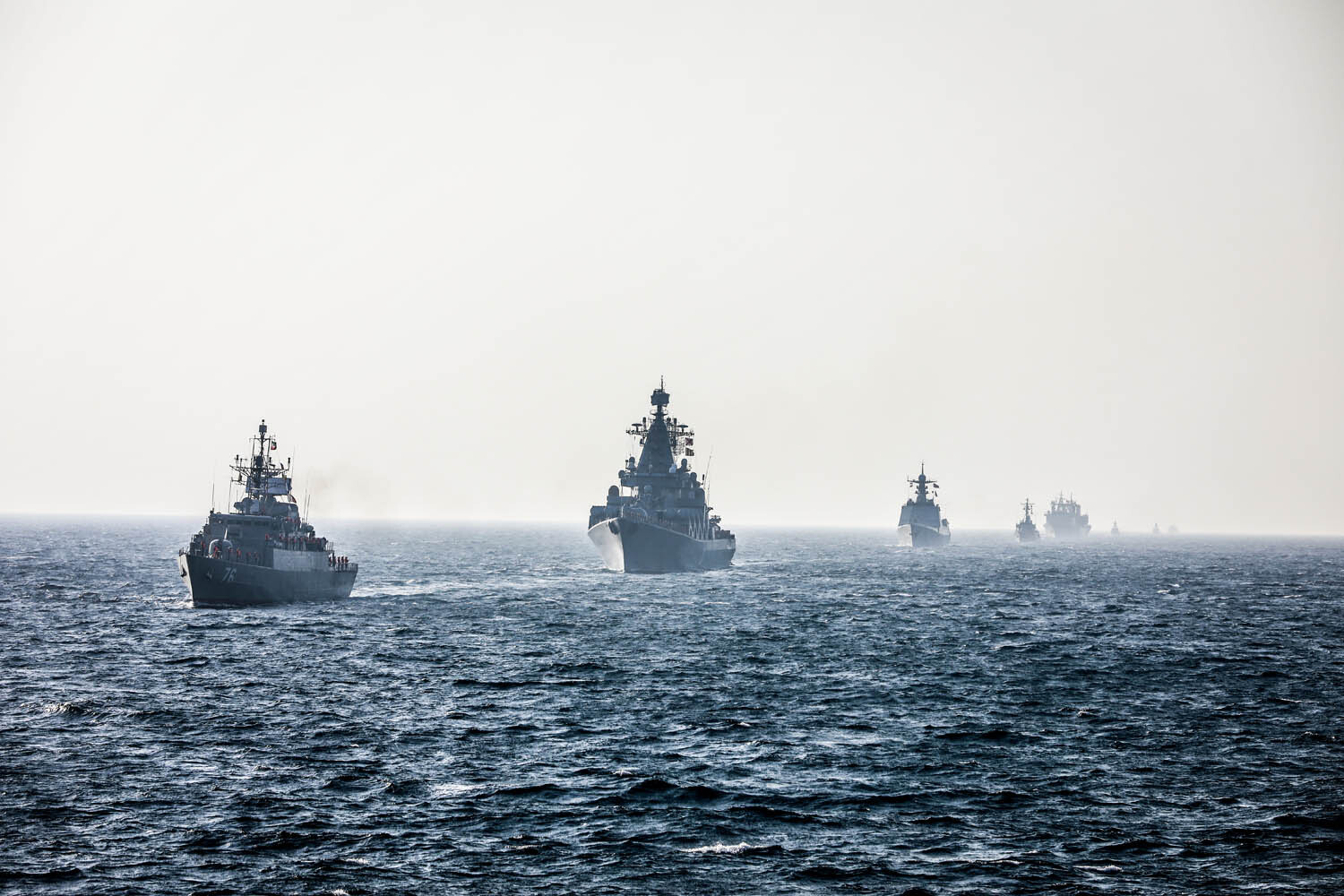
A cornerstone of Pakistan’s maritime security initiatives is the AMAN exercise series, launched by the Pakistan Navy in 2007. The AMAN exercises provide a biennial platform for regional and extra-regional navies to enhance operational interoperability and collaborate in addressing shared maritime security challenges. These exercises, which began with the participation of 14 nations in 2007, have grown substantially in scale and scope, drawing participants from around the globe.
Each AMAN exercise brings together an expanding coalition of nations, with past iterations attracting contributions from countries such as the US, China, the UK, and Russia, along with specialized teams for Explosive Ordnance Disposal (EOD) and maritime special operations. For instance, AMAN-21 saw the participation of 42 navies and a significant increase in observer states, showcasing the growing international trust and reliance on this initiative. The most recent exercise, AMAN-23, held from 10 to 14 Feb 2023, hosted over 50 navies.
The AMAN series is unique in its combination of harbor and sea phases, offering a comprehensive approach to maritime security training. In the harbor phase, navies participate in operational planning, technical exchanges, and cultural events. The sea phase provides hands-on tactical drills and joint operations, enabling real-time response to simulated threats such as piracy and narco-terrorism.
The AMAN exercises underscore Pakistan’s commitment to collaborative security, reinforcing its positive image within the IOR and bolstering its capacity for maritime command and control. Pakistan’s naval infrastructure, including Gwadar port–a critical node in China’s Belt and Road Initiative–benefits from enhanced security and operational capabilities. As the Maritime Silk Road garners global attention, AMAN helps strengthen Pakistan’s ability to secure its waters and protect vital infrastructure, aligning with broader geo-economic and geopolitical goals.
Through AMAN, Pakistan not only emphasizes regional cooperation but also aligns its national interests with global security objectives. The exercise enhances Pakistan’s diplomatic standing, portraying it as a proactive maritime state committed to peace and stability. This initiative reflects Pakistan’s vision of a secure, interconnected IOR where nations work collectively to ensure maritime safety.
The upcoming AMAN-25 is scheduled in Feb 2025 and is anticipated to further reinforce international naval cooperation, adapting to the evolving security landscape of the IOR. By bringing together diverse naval forces to engage in dialogue, tactical training, and collaborative planning, AMAN stands as a beacon of cooperative resolve.
The exercise not only strengthens maritime partnerships but also offers a valuable platform for states to address pressing issues, from illegal trafficking to the protection of maritime resources.