Writer: Sadaf Noreen Awan
For decades, the geopolitical architecture of the Middle East was largely defined by an unquestioned American hegemony. However, the sands are rapidly shifting. A profound realignment is underway, driven by Iran’s expanding regional influence, the waning efficacy of Western intervention, and a renewed push for solidarity among Islamic nations. As the devastating toll of the Israeli-Palestinian conflict continues to mount, the Islamic world is increasingly viewing the traditional presence of foreign powers not as a stabilizing force, but as an occupying entity that must be expelled to secure lasting regional peace.
To understand the current unravelling of American influence, one must look at the historical backing of Israel by the United States. Across the Arab and Islamic world, there is a deep-seated grievance that Palestinian rights and lands have been systematically usurped, facilitated by unyielding Western military and diplomatic support. In regional narratives, the policies of figures like Benjamin Netanyahu and the operations of intelligence apparatuses such as Mossad are frequently cited as the root of the crisis the fundamental catalysts of instability, or fasad, in the region. Many geopolitical observers in the Global South argue that extensive political lobbying and massive financial investments in Washington’s political elite have consistently skewed American foreign policy. This dynamic, they argue, has pushed the United States into proxy wars and direct conflicts that serve Israeli strategic interests rather than American or global stability. Today, there is a growing consensus that America is being dragged into a wider regional war, a calculated plot that is steadily exhausting U.S. resources and marking the beginning of its geopolitical decline.
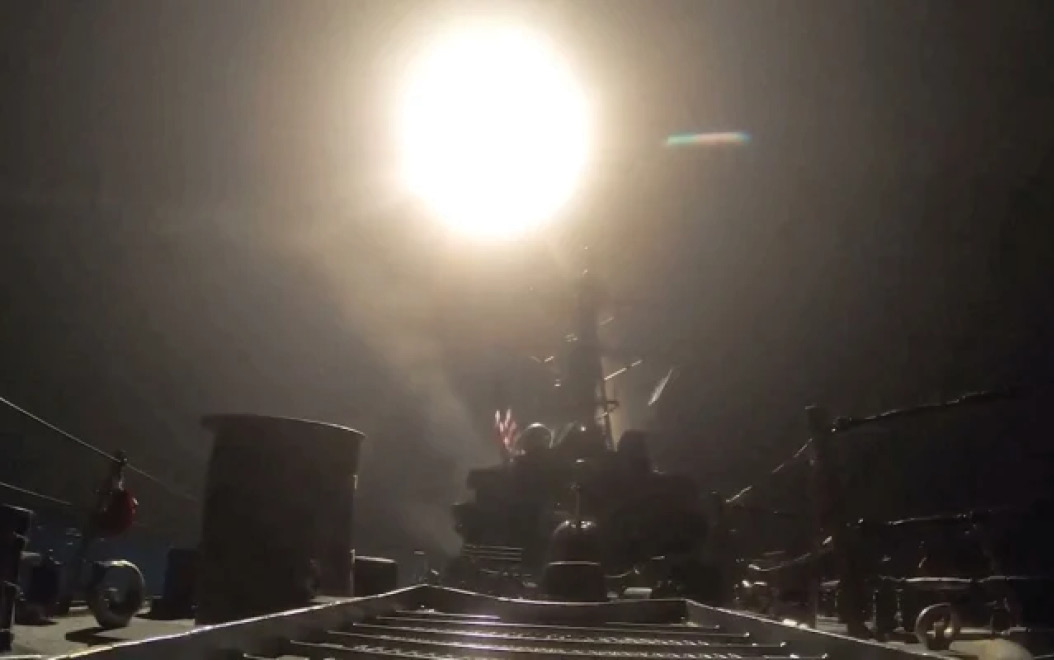
The shifting balance of power is most visibly playing out on the waters of the Middle East. The region houses the world’s most critical maritime chokepoints, the Strait of Hormuz and the Bab el-Mandeb Strait. These narrow waterways are the lifelines of the global energy supply and international trade. The recent mobilization by Yemen’s Houthi forces in the Red Sea has fundamentally altered the security calculus of the Bab el-Mandeb Strait. By targeting shipping lanes in retaliation for the ongoing siege of Gaza, the Houthis have demonstrated that non-state actors, backed by Tehran, can effectively paralyze international commerce. This asymmetric warfare terrifies global markets. If the conflict escalates further and the Strait of Hormuz is also compromised, the disruption to oil and gas supplies would almost certainly push the world into a severe economic depression. The U.S. Navy, despite its technological supremacy, has found itself locked in a costly and seemingly unwinnable game of attrition in these waters, highlighting the limits of traditional military might.
Recognizing the changing tide, Gulf nations are aggressively recalibrating their foreign policies. Saudi Arabia, having experienced the devastating realities of the Yemen war and the resilience of the Houthis, has pivoted toward diplomacy. Riyadh’s recent diplomatic normalization with Tehran, brokered by China, was a historic step toward de-escalating regional tensions and preventing foreign powers from exploiting intra-Muslim divisions. This realization that American security umbrellas are no longer foolproof has led Gulf states to seek “safe havens” and strategic depth elsewhere, prominently turning toward Pakistan. Historically, Pakistan has maintained a delicate balance, offering military expertise and security to the Gulf while managing its ties with Iran.
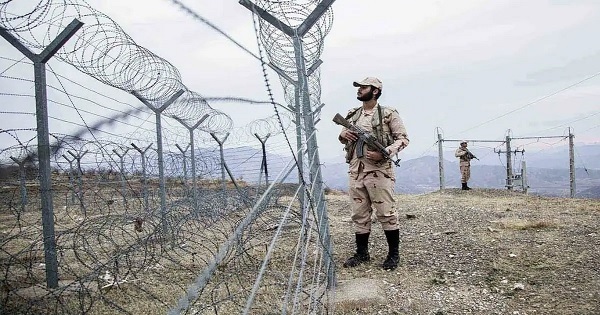
Nations like Saudi Arabia and Qatar are actively enhancing their defense and economic pacts with Islamabad. Pakistan provides a vital, battle-hardened military partnership that is geographically proximate and culturally aligned. Recently, Pakistan has also issued stern warnings against the escalation of conflict in the region, emphasizing that a broader war would be disastrous for the entire Islamic world. These defense pacts signal a crucial shift: Gulf states are increasingly looking for regional, Muslim-majority partners to guarantee their security, slowly phasing out their absolute reliance on the West.
Ultimately, the grand strategy playing out from Tehran to Islamabad and Riyadh points toward a single, unifying theme: Muslim unity is the only viable solution to counter foreign exploitation. The architects of regional instability fear a united Islamic bloc more than anything else. A cohesive alliance between the Middle East’s economic powerhouses (like Saudi Arabia and Qatar), its ideological and strategic poles (like Iran), and its military heavyweights (like Pakistan) creates an impenetrable fortress against external divide-and-conquer tactics.
The era of unchecked foreign intervention in the Middle East is facing its sunset. As nations in the region prioritize mutual defense, economic integration, and diplomatic resolutions over American-led wars, history is being written. By rejecting the narratives that have kept them divided and recognizing the true sources of regional unrest, Islamic nations are steadily laying the groundwork to expel the shadows of occupation and usher in a new era of sovereign stability.
At the absolute heart of this struggle remains the ultimate cry for Palestine and the protection of Masjid al-Aqsa, the third holiest site in Islam. The relentless attempts by Zionist forces to alter the status quo of Al-Aqsa and erase the Islamic identity of Jerusalem are seen across the Muslim world as the ultimate manifestation of the aggressive “Greater Israel” expansionist project. This colonial blueprint, which aims to annex vast swaths of Arab lands from the Nile to the Euphrates, relies heavily on the subjugation and displacement of the Palestinian people. However, the steadfast resistance of Palestinians and the reawakening of the global Muslim Ummah against this expansionist agenda prove that the fight for Al-Aqsa is not just a localized conflict, but a defining battle for the dignity, sovereignty, and liberation of the entire region.