Islamabad
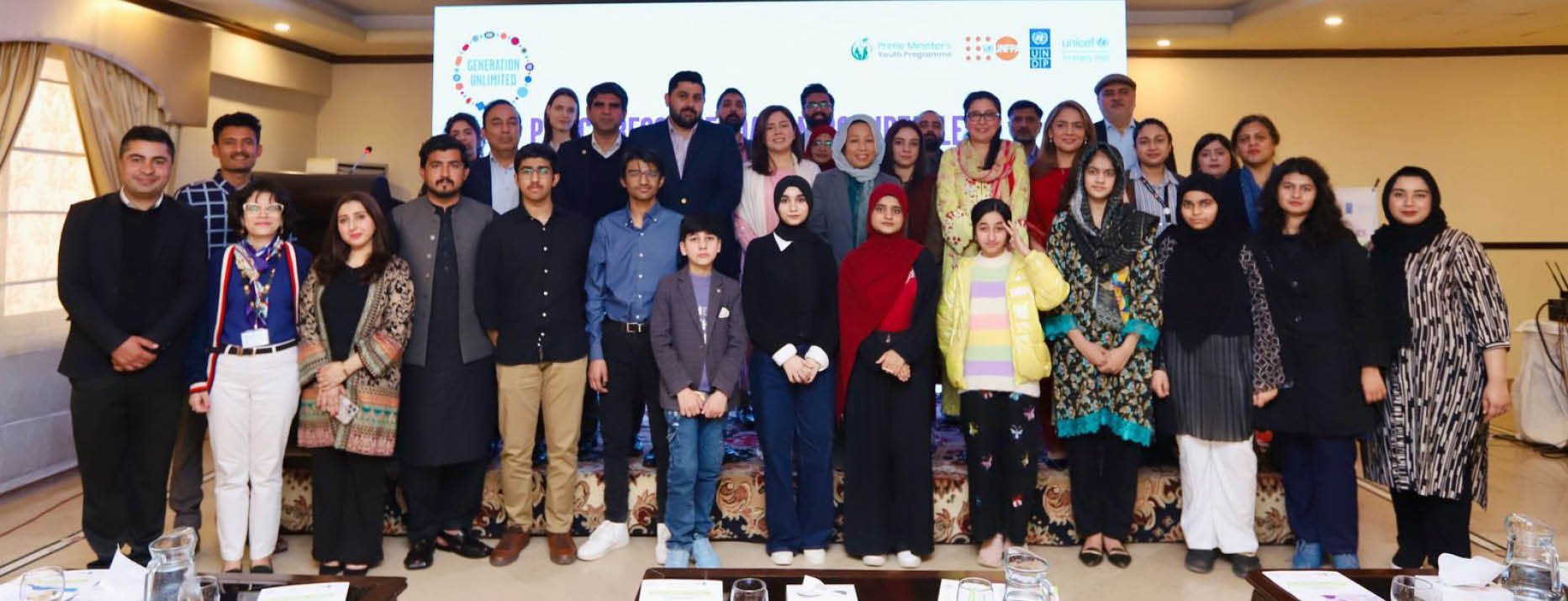
The Policy Recommendation Roundtable convened on Friday at a local hotel brought together young researchers, policymakers, and development leaders to explore innovative solutions for the future of education.
The event provided a platform for adolescents and youth to present evidence-based policy statements, recommendations, and action plans to address key challenges in the education sector.
Under the umbrella of Generation Unlimited, the Policy Research Challenge (PRC) is a collaborative initiative spearheaded by UNICEF Pakistan, UNICEF ROSA, UNDP, UNFPA, the Prime Minister’s Youth Programme, and the School of Leadership Foundation (SoLF).
Designed to equip young people with research skills and advocacy tools, the PRC empowers them to contribute meaningfully to informed- decisions that impact their futures.
Building on the success of the PRC 2023-2024, which focused on Climate Adaptation, PRC 2024-2025 set its sights on Education Innovation.
The initiative sought to reimagine learning experiences through enhanced access, equity, and digital innovation in education.
A rigorous selection process identified 15 adolescents (age 12-17) and 15 youth (18-26), who first underwent a two-day digital pre-bootcamp, followed by an intensive four-day capacity-building bootcamp. As a result, nine adolescent teams and seven youth teams were awarded grants of up to PKR 200,000 to conduct on-ground research addressing key education challenges.
While speaking at the roundtable, Ms. Sharmeela Rasool, Deputy Country Representative, UNICEF, emphasized the role of youth-led research in shaping policy.
“To build a more inclusive and future-ready education system, young people must be at the heart of policymaking. The Policy Research Challenge enables youth to transform their insights into actionable policies, ensuring their voices directly influence decisions that shape their future,” she said
The PRC Roundtable served as a high-impact policy dialogue, allowing young researchers to engage directly with decision-makers.
Deputy Representative, UNFPA, Ms. Latika Pradhan Maskey stressed the need for youth representation in decision-making. “Education policies must reflect the realities of young people, and that is only possible when they are actively engaged in shaping them. Through PRC, we are trying to do that by providing youth with the platform and skills to advocate for change at the policy level.”
The event was attended by distinguished policymakers and education leaders, including MNA Syeda Amina Batool, Director, National Academy of Higher Education, HEC, Sulaiman Ahmad; Deputy Director, HEC, Dr. Abaidullah Anwar; National Curriculum Council, MoFE Saima Khan; Dr. Nasreen Bano, Suhail Bin Aziz, Dr. Muhammad Ali Malik, Mohsin Ali Phulpoto, Ms Arshia and Arsalan Ahmad.
They assured the government’s commitment to promote youth engagement in education policy and innovation.
Assistant Resident Representative, UNDP, Mr. Mustafa Mahmood highlighted the importance of youth-driven solutions. “Young people are not just beneficiaries of education policies—they are key stakeholders in their design and implementation. PRC enables them to move from being passive recipients to active contributors, ensuring policies are innovative, inclusive, and responsive to their needs,” he said.