PRGMEA warns daily fuel pricing may erode export competitiveness
LAHORE
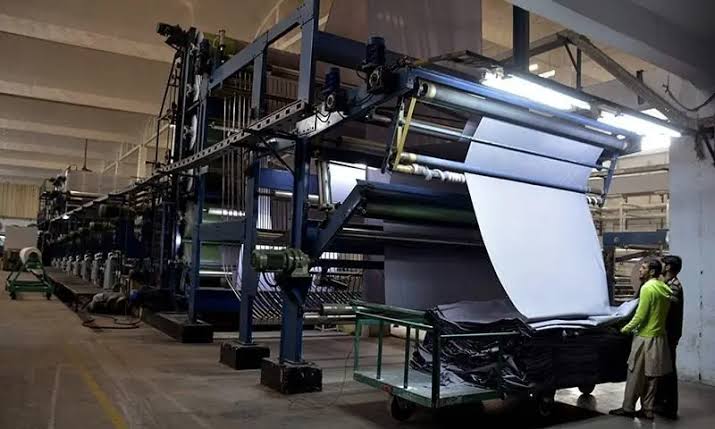
Pakistan’s readymade garment industry has urged the government to reconsider its newly introduced daily petroleum pricing mechanism, warning that frequent fuel price movements, alongside high electricity and gas costs, expensive financing and delayed refunds, could further weaken the competitiveness of the country’s value-added export sector.
Pakistan Readymade Garments Manufacturers and Exporters Association (PRGMEA) North Zone Chairman Imran Salahuddin said exporters could not operate effectively in an environment where major production and logistics costs were subject to frequent and unpredictable changes.
He said the issue was particularly serious for the garment industry because exporters negotiate orders with international buyers months in advance, often on fixed prices, while their production costs can change sharply during the order cycle. “The international market does not allow Pakistani exporters to simply pass every increase in energy and transportation costs on to buyers,” he observed.
The government introduced daily petroleum price adjustments in July amid heightened volatility in international oil markets. The impact was immediately visible, with petrol and high-speed diesel rates moving repeatedly within days. Under the mechanism, petrol had reached around Rs335 per litre while high-speed diesel crossed Rs390 per litre before subsequent adjustments. The latest move has brought some relief, but the frequent revisions themselves remain a major concern for businesses trying to plan production and logistics.
Salahuddin said the garment sector was already operating under severe cost pressures from electricity, gas, financing, imported raw materials, transportation and other utilities. Adding daily fuel-price uncertainty to these challenges could make costing and delivery commitments increasingly difficult.
He pointed out that Pakistan’s textile exports grew by only 0.26 percent in FY2025-26, reaching $17.932 billion, while ready-made garment exports increased 3.87 percent to $4.288 billion. The modest overall growth, he said, should be viewed as a warning rather than an achievement because the country has considerable potential to expand value-added apparel exports if its cost structure becomes competitive.
The sector’s performance is particularly important because garments are among Pakistan’s most significant sources of higher-value textile earnings. However, the latest data also showed weakness in several major textile categories, with knitwear exports declining 0.88 percent and cotton cloth exports falling 7.55 percent during FY26. Textile exports also dropped 16.71 percent year-on-year in June, highlighting the pressure facing exporters at the close of the fiscal year.
Salahuddin stressed that Pakistan should not treat energy merely as a revenue source when competing for international garment orders. Electricity and gas constitute essential production inputs, while diesel and petrol affect movement of raw materials, workers and finished goods from factories to ports.
He also reiterated PRGMEA’s concerns over delayed sales-tax refunds and outstanding DLTL claims, saying exporters need working capital to finance production and fulfil orders on time. The association has previously identified rising electricity, gas and financing costs, together with delayed government payments, as major threats to competitiveness.
According to Salahuddin, the government should adopt a broader export-competitiveness strategy instead of addressing each cost pressure separately. This should include predictable energy pricing, competitive industrial electricity and gas tariffs, timely refunds, easier access to export finance and a stable trade-policy framework.
Salahuddin urged the government to consult export-oriented industries before making further changes to energy pricing and taxation, saying policy stability was as important as the actual price of fuel and electricity.