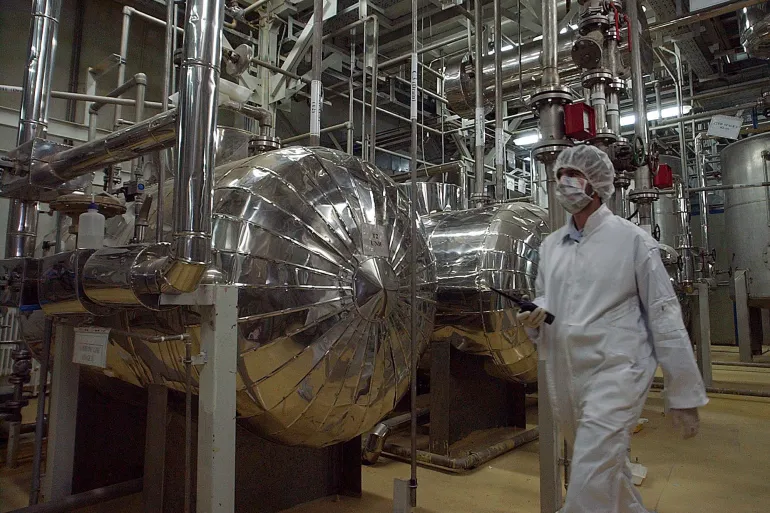
Isfahan
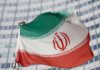
France, Germany and the United Kingdom have triggered a mechanism to reimpose sanctions on Iran after a series of meetings failed to reach an agreement on the Iranian nuclear programme.
The three European countries, known as the E3, have been warning Tehran for weeks that United Nations sanctions could be reimposed by October when a 2015 nuclear agreement between Tehran and major powers expires.
The decision on Thursday opens a 30-day window before the sanctions are reimposed. It comes after a spokesman for Iran’s Ministry of Foreign Affairs warned this week that renewing the sanctions would have consequences.
The E3 has accused Tehran of violating provisions of the 2015 nuclear pact, formally known as the Joint Comprehensive Plan of Action (JCPOA), which saw Iran agree to curb its nuclear programme in exchange for a lifting of international sanctions on its economy.
A component of the nuclear deal, the “snapback” mechanism, allows sanctions to be reimposed quickly if Iran is found to be in violation of the accord.
“Since 2019 and as of today, Iran has increasingly and deliberately ceased performing its JCPoA commitments,” the French, German and British foreign ministers wrote in a letter to the UN Security Council on Thursday.
“This includes the accumulation of a high enriched uranium stockpile which lacks any credible civilian justification and is unprecedented for a state without a nuclear weapons programme,” they said, adding that they remain committed to reaching a diplomatic solution.
The decision on Thursday opens a 30-day window before the sanctions are reimposed. It comes after a spokesman for Iran’s Ministry of Foreign Affairs warned this week that renewing the sanctions would have consequences.
The E3 has accused Tehran of violating provisions of the 2015 nuclear pact, formally known as the Joint Comprehensive Plan of Action (JCPOA), which saw Iran agree to curb its nuclear programme in exchange for a lifting of international sanctions on its economy.
A component of the nuclear deal, the “snapback” mechanism, allows sanctions to be reimposed quickly if Iran is found to be in violation of the accord.
“Since 2019 and as of today, Iran has increasingly and deliberately ceased performing its JCPoA commitments,” the French, German and British foreign ministers wrote in a letter to the UN Security Council on Thursday.
“This includes the accumulation of a high enriched uranium stockpile which lacks any credible civilian justification and is unprecedented for a state without a nuclear weapons programme,” they said, adding that they remain committed to reaching a diplomatic solution.