ISLAMABAD
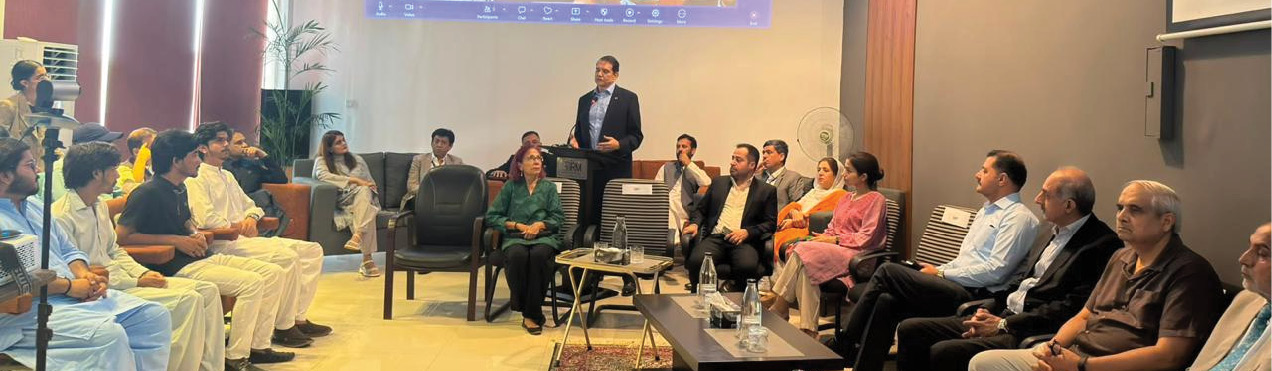
The Institute of Rural Management (IRM) celebrated the success of young entrepreneurs from across Pakistan by hosting the “Alumni Success Stories Showcase: The Power of Possibility,” highlighting how technical, vocational and digital skills training is helping transform lives and create sustainable livelihoods, particularly in remote and underserved areas.
The event, organized under the IRM Smart STEP (Social Transformation and Empowerment Programme) and the Southern Punjab Poverty Alleviation Project (SPPAP), brought together development leaders, representatives of international organizations, government institutions and development partners to recognize graduates who have successfully established businesses after completing specialized training in technical and vocational skills, digital marketing and e-commerce.
Many of the featured entrepreneurs came from marginalized and rural communities, demonstrating that access to quality training and entrepreneurial opportunities can unlock the potential of young people regardless of their geographical location.
Participants shared inspiring accounts of overcoming economic hardships, acquiring market-oriented skills, launching businesses, generating sustainable incomes and creating employment opportunities within their own communities. Their journeys reflected the growing role of entrepreneurship in promoting inclusive economic growth and poverty reduction.
The ceremony was attended by prominent representatives from national and international development organizations, including IRM CEO Dr. Roomi S. Hayat, National Rural Support Programme CEO Dr. Rashid Bajwa, Thardeep Rural Development Programme CEO Dr. Allah Nawaz, Trust for Voluntary Organizations CEO Sahibzada G. Mohyuddin, Human Resource Development Network CEO Robeela Bangash, SMEDA representative Asghar Nassar, officials from the International Fund for Agricultural Development (IFAD), International Labour Organization (ILO), Asian Development Bank (ADB), The Asia Foundation (TAF), Tearfund, Norwegian Church Aid (NCA), State Bank of Pakistan, Pakistan Poverty Alleviation Fund (PPAF) and Kindernothilfe (KNH).
Their participation underscored a shared commitment to promoting youth empowerment, entrepreneurship, skills development and inclusive economic opportunities across Pakistan.
Development practitioners, stakeholders and community representatives attending the showcase praised the achievements of the alumni, describing their stories as inspiring examples of how targeted skills development programmes can help young people build resilient futures while contributing to local economies.
Speaking on the occasion, Dr. Roomi S. Hayat reaffirmed IRM’s commitment to equipping youth with demand-driven technical, vocational and digital skills that enable them to compete in an increasingly technology-driven economy. He said the organization’s initiatives are designed to empower young people with practical competencies that lead to self-employment, entrepreneurship and long-term economic independence.
The event concluded with participating organizations renewing their commitment to strengthening partnerships that expand opportunities for youth, promote social inclusion and support sustainable development. Organizers said the achievements of the alumni demonstrate that with the right training, mentorship and support, young Pakistanis can become drivers of economic growth and positive change in their communities.