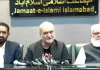
Pakistan’s proposal for a four-country security meeting brought an unusual gathering to Tehran on Monday. Field Marshal Asim Munir sat with Saudi Defence Minister Prince Khalid bin Salman and Turkish intelligence chief Ibrahim Kalin across from Iran’s security leadership, while President Masoud Pezeshkian urged regional unity. The statement issued afterwards promised continued consultations on peace and security. For all its brevity, it marked a welcome departure from the language of threats that has lately dominated the region.
Saudi Arabia, Pakistan and Türkiye signed the Makkah mutual defence pact in August. With Iran-aligned Houthis striking Saudi airports and energy facilities, the pact might easily have become another dividing line in an already fractured Middle East. Instead, its members have used their collective weight to open a conversation with Tehran. Islamabad deserves due credit for proposing this course during Field Marshal Munir’s visit last week. Riyadh’s participation, with its own security under pressure, was equally important. The initiative speaks well of the diplomatic space Pakistan has carved out for itself. Its defence commitments to Saudi Arabia are longstanding and now explicit. It shares a border with Iran, enjoys close ties with Türkiye and retains channels to Washington. These relationships have sometimes demanded an awkward balancing act. In Tehran, they helped bring parties with sharply different calculations to the same table. Qatar’s parallel mediation also deserves recognition. With another American strike being discussed and Iranian retaliation threatened, there is little time to waste. Of particular interest is the reported proposal for a regional non-aggression network. Such an understanding would have to address threats to Saudi territory, the security of the Strait of Hormuz and the dangerous spillover from Yemen. Iran’s influence with the Houthis matters, though that influence has its limits. Reports even suggest the possibility of Tehran joining a wider security arrangement. Nor can the dispute between Washington and Iran be settled by regional governments alone. The collapse of June’s interim agreement is warning enough against mistaking a diplomatic opening for a durable settlement.
The economic argument is equally compelling. The World Bank expects Gulf economies to contract by an average of 4.3 per cent this year as the war disrupts energy exports, aviation and commerce. Pakistan has its own exposure through oil prices, trade and the millions of livelihoods tied to Gulf employment. Yemen’s exhausted population can scarcely bear another round of fighting. Monday’s statement contained no ceasefire or binding guarantees. That leaves considerable work for the four governments, beginning with sustained contact and credible assurances against cross-border attacks. Islamabad has made a worthwhile beginning. The greater diplomatic achievement will lie in keeping the parties talking when the guns provide every excuse to walk away.