MOSCOW
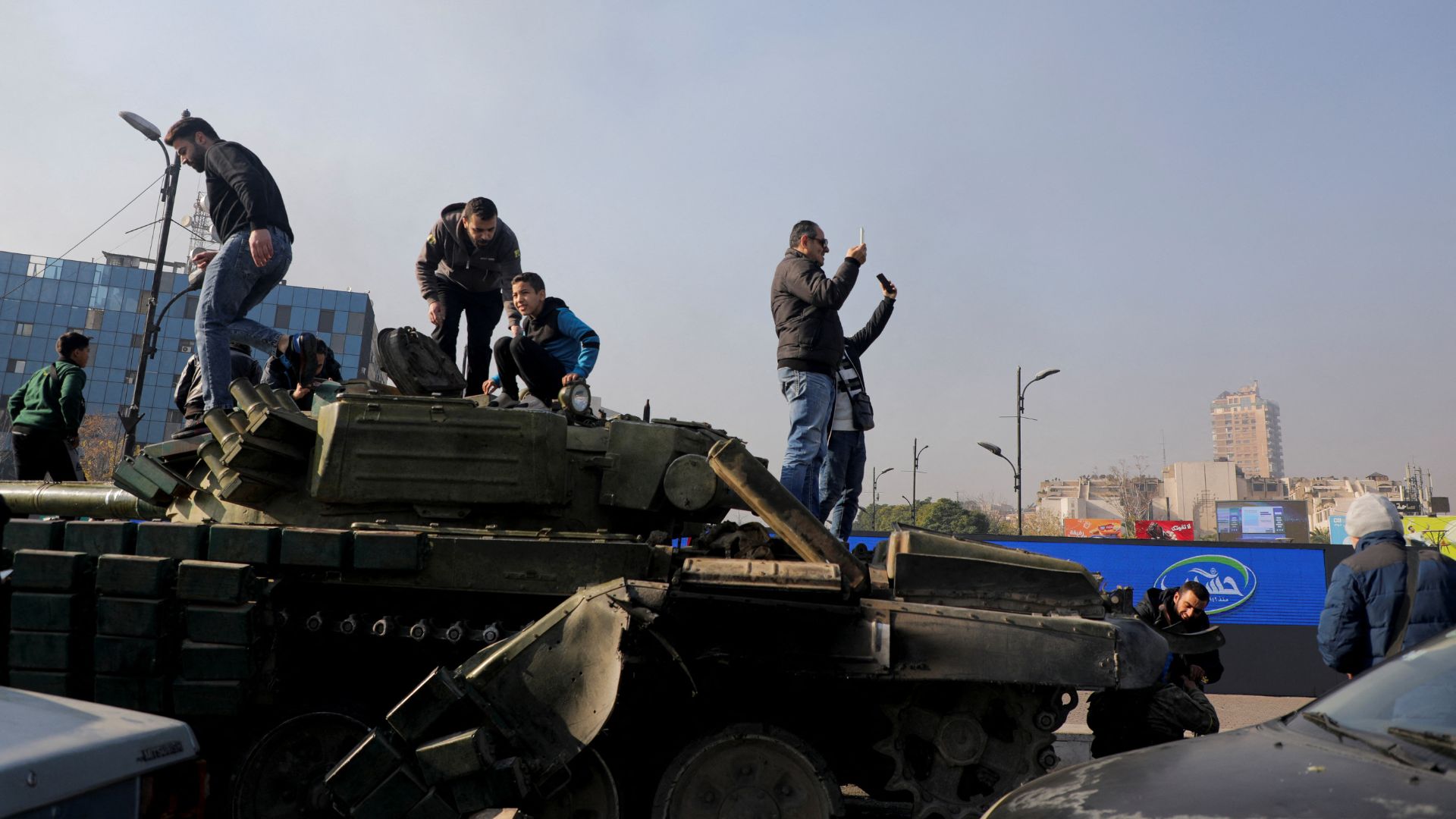
Syrians awakened on Monday to a hopeful if uncertain future, after rebels seized the capital Damascus and President Bashar al-Assad fled to Russia, ending a 13-year civil war and more than 50 years of his family’s brutal rule.
The lightning advance of a militia alliance spearheaded by Hayat al-Tahrir al-Sham (HTS), a former al-Qaeda affiliate, marked one of the biggest turning points for the Middle East in generations. Assad’s fall wiped out a bastion from which Iran and Russia exercised influence across the Arab world.
Moscow gave asylum to Assad and his family, Russian media reported and Mikhail Ulyanov, Russia’s ambassador to international organisations in Vienna, said on his Telegram channel on Sunday. International governments welcomed the end of the Assads’ autocratic government, as they sought to take stock of a new-look Middle East.
United States President Joe Biden said Syria is in a period of risk and uncertainty, and it is the first time in years that neither Russia, Iran, nor the Hezbollah organisation held an influential role there. HTS is still designated as a terrorist group by the US, Turkey, and the United Nations, although it has spent years trying to soften its image to reassure international governments and minority groups within Syria.
Japan’s chief cabinet secretary, Yoshimasa Hayashi, said on Monday Tokyo was paying close attention to developments in Syria. NAssad’s overthrow limits Iran’s ability to spread weapons to its allies and could cost Russia its Mediterranean naval base. It could also allow millions of refugees scattered for more than a decade in camps across Turkey, Lebanon, and Jordan to finally return home.
The rebels face a monumental task of rebuilding and running a country after a war that left hundreds of thousands dead, cities pounded to dust and an economy hollowed by global sanctions. Syria will need billions of dollars in aid. “A new history, my brothers, is being written in the entire region after this great victory,” said Ahmed al-Sharaa, better known as Abu Mohammed al-Golani, the head of HTS.
Speaking to a huge crowd on Sunday at Damascus’ Umayyad Mosque, a place of enormous religious significance, Golani said with hard work Syria would be “a beacon for the Islamic nation.” The Assad police state was known as one of the harshest in the Middle East with hundreds of thousands of political prisoners held in horrifying conditions.
On Sunday, elated but often confused inmates poured out of jails. Reunited families wept in joy. Newly freed prisoners were filmed running through the Damascus streets holding up their hands to show how many years they had been in prison.