It will be at the president’s choosing, ultimately: says US Defence Secretary
washington
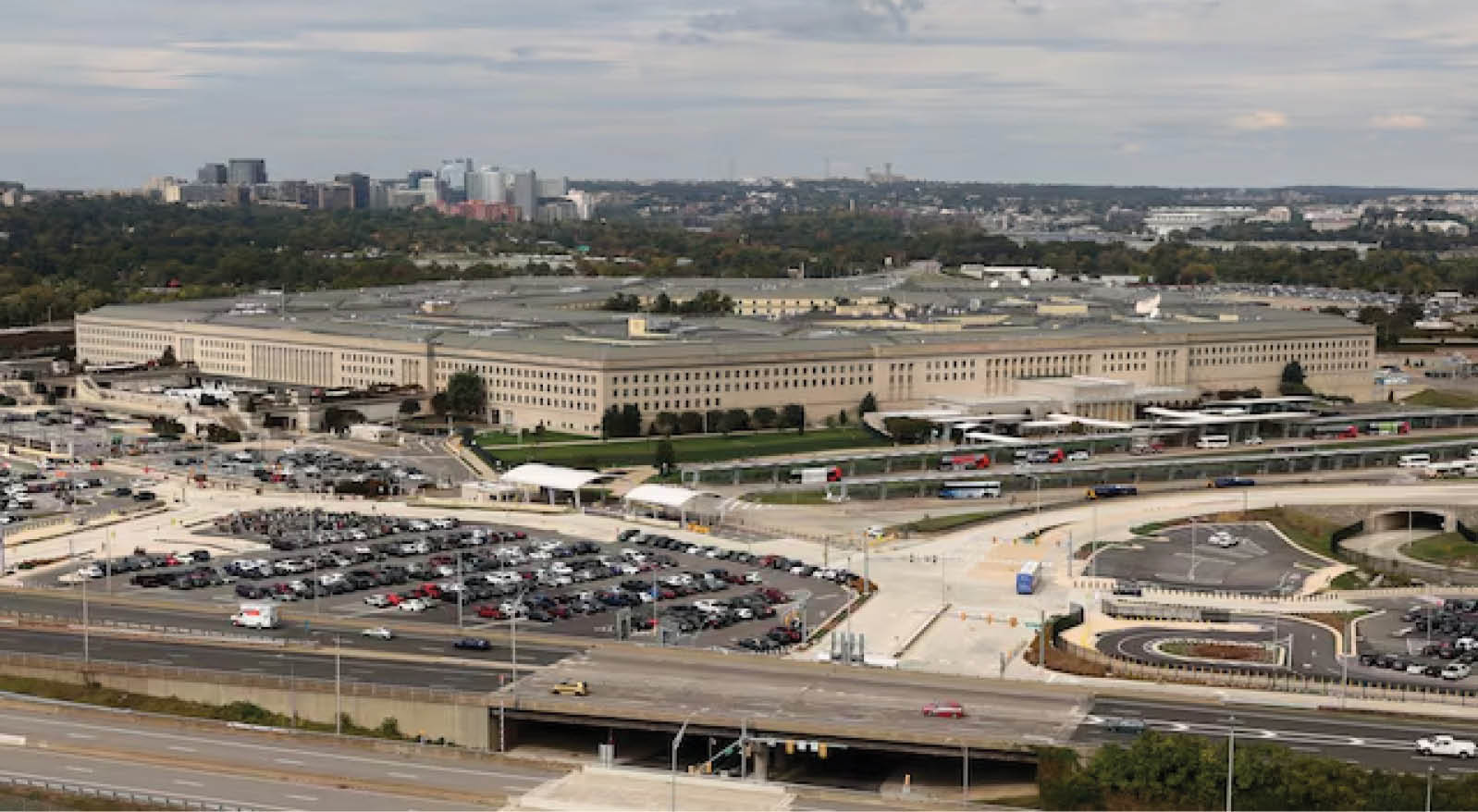
United States Defence Secretary Pete Hegseth said on Thursday there was no “time frame” for ending the US-Israeli war against Iran, which was launched three weeks ago.
“We wouldn’t want to set a definitive time frame,” Hegseth told a news conference, adding that “we’re very much on track” and that President Donald Trump will be the one to decide when to stop.
“It will be at the president’s choosing, ultimately, where we say, ‘Hey, we’ve achieved what we need to.’”
Hegseth also addressed a report that the Pentagon has requested more than $200 billion in additional funding from Congress to pay for the conflict. “As far as $200b, I think that number could move. Obviously it takes money to kill bad guys,” Hegseth said.
“We’re going back to Congress and folks there to ensure that we’re properly funded for what’s been done, for what we may have to do in the future,” he said.
Top US military officer General Dan Caine, who spoke alongside Hegseth, provided details on weapons being used against Iran and its allied forces in the region.
Caine said A-10 Warthogs, a type of aircraft designed for providing close air support, are “hunting and killing fast-attack watercraft” in the key Strait of Hormuz waterway, which Iran effectively closed to maritime traffic following the start of the war.
He also said AH-64 Apaches are being used in Iraq to target Iran-aligned militia groups there, and that some US allies have begun using the attack helicopters to counter one-way drones launched by Tehran’s forces. Greek-operated air defence system shoots down Iranian missiles over Saudi Arabia Separately, Greece’s defence minister said an air defence system operated by Greek military personnel in Saudi Arabia intercepted two ballistic missiles launched from Iran.
Nikos Dendias said a Greek-operated Patriot air defence system had intercepted Iranian missiles targeting oil refineries in Saudi Arabia, without specifying where in the kingdom.
“The protection of refineries and oil units is of great importance,” he said in a televised statement. Greece has deployed a US-made Patriot air defense battery, operated by Greek personnel, in Saudi Arabia since 2021 under an agreement to help protect the kingdom’s energy infrastructure.
Thursday’s interception was the first time that Greek personnel had operated the system, a Greek defence ministry official told Reuters. Other outside states have also offered assistance in defending the Gulf against Iranian attacks launched in response to US-Israeli strikes on Iran that began on February 28.
France has assisted the United Arab Emirates in defending against Iranian attacks, under a longstanding defence agreement between the two countries. Australia has also said it would send a surveillance aircraft and missiles to help bolster UAE defences.
Earlier on Thursday, Saudi Arabia’s defence ministry said that a ballistic missile targeting the Red Sea port city of Yanbu, where there is an oil refinery, had been intercepted. It was unclear whether the missile was one of those intercepted by the Greek-operated system.