Islamabad
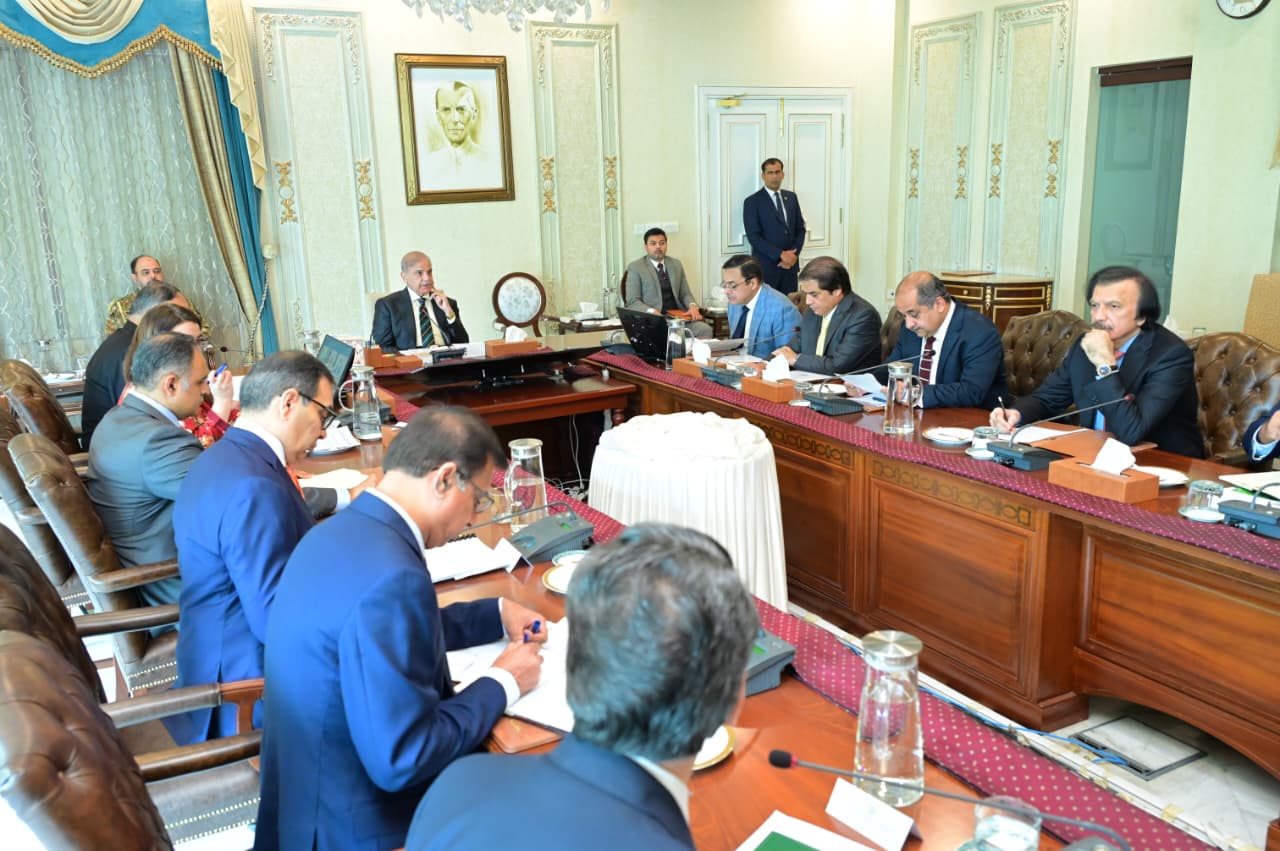
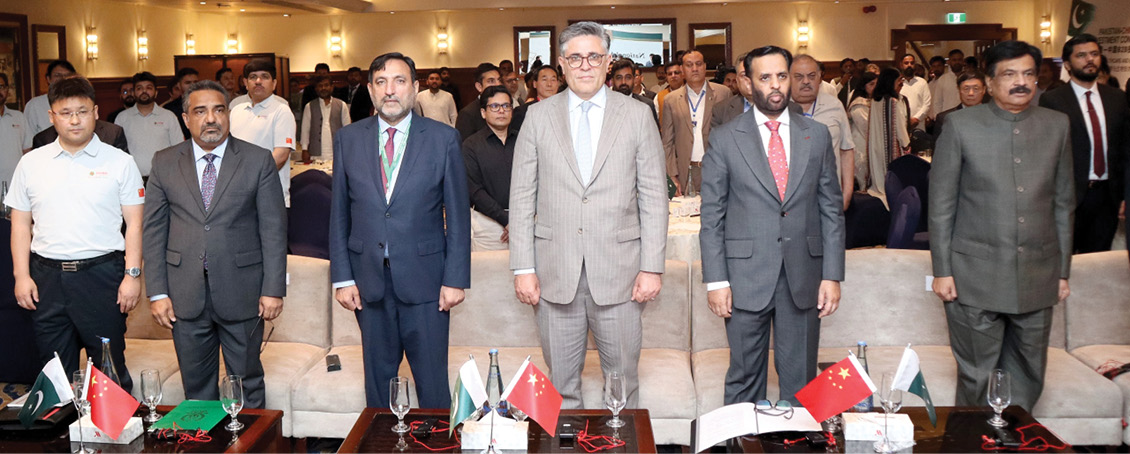
The National Vocational and Technical Training Commission (NAVTTC), in collaboration with the Embassy of Pakistan in Beijing, organized the Pakistan–China TVET Partnership Forum on the sidelines of the Pakistan–China B2B Investment Conference on Pharmaceuticals, Healthcare & Biotechnology at the Marriott Hotel, Islamabad. The Forum brought together government representatives, leading Chinese Technical and Vocational Education and Training (TVET) institutions, industry leaders, healthcare organizations, academia and development partners from Pakistan and China to strengthen bilateral cooperation in skills development, industrial collaboration and workforce transformation.
The Forum was attended by H.E. Syed Mustafa Kamal, Federal Minister for National Health Services, Regulations and Coordination, H.E. Khalil Hashmi, Ambassador of Pakistan to China, Chairman NAVTTC Engr. Qamar ul Islam Raja, Executive Director NAVTTC Mr. Muhammad Aamir Jan, representatives of leading Chinese TVET institutions, Provincial TEVTAs, healthcare and pharmaceutical authorities, public and private healthcare organizations, industry associations and academia.
In his keynote address, H.E. Syed Mustafa Kamal, Federal Minister for National Health Services, Regulations and Coordination, emphasized the importance of developing a skilled workforce to meet the growing demands of Pakistan’s healthcare and pharmaceutical sectors. He highlighted that stronger Pakistan–China cooperation, enhanced investment, technology transfer and institutional partnerships are essential for improving healthcare services, strengthening the pharmaceutical industry and promoting sustainable economic growth.
Addressing the Forum, Chairman NAVTTC, Engr. Qamar ul Islam Raja, expressed his sincere gratitude to Honourable Prime Minister Muhammad Shehbaz Sharif for his visionary leadership, unwavering support and steadfast commitment to strengthening Pakistan’s Technical and Vocational Education and Training (TVET) sector through progressive reforms and strategic initiatives promoting international cooperation, investment and skills development. He welcomed H.E. Syed Mustafa Kamal, H.E. Khalil Hashmi, distinguished Chinese and Pakistani delegates, development partners, and representatives from government, industry and academia. He stated that Pakistan–China cooperation is entering a new era driven by innovation, technology, skills and human capital development. Emphasizing that skills are the foundation of economic growth, he reaffirmed NAVTTC’s commitment to building an industry-driven, globally competitive TVET ecosystem through international partnerships and investment. He also appreciated the invaluable support of the Embassy of Pakistan in China and Chinese partners in strengthening Pakistan’s skills ecosystem and called for translating today’s dialogue into enduring institutional partnerships that contribute to sustainable economic growth and shared prosperity.
Speaking on the occasion, H.E. Khalil Hashmi, Ambassador of Pakistan to China, emphasized the importance of strengthening Pakistan–China cooperation through investment, technology transfer and strategic partnerships between the pharmaceutical and healthcare industries. He highlighted the pivotal role of technical and vocational education in developing a skilled workforce capable of supporting industrial growth, enhancing competitiveness and facilitating sustainable economic development.
Executive Director NAVTTC, Mr. Muhammad Aamir Jan, highlighted the immense potential for collaboration between Pakistani and Chinese pharmaceutical companies, healthcare institutions and investors in curriculum development, technology transfer, digitalization, workforce development and industrial investment. He reaffirmed NAVTTC’s commitment to developing internationally skilled manpower and fostering industry–academia partnerships that promote innovation, localization and sustainable growth in the pharmaceutical and healthcare sectors.
The Forum featured presentations by leading Chinese and Pakistani TVET institutions, followed by institution-to-institution matchmaking sessions aimed at fostering long-term collaboration in teacher training, curriculum development, joint certification programmes, specialized training centres, faculty exchanges and workforce development.
The event reaffirmed the shared commitment of Pakistan and China to strengthening technical and vocational education, enhancing industry–academia linkages and developing a future-ready workforce to support investment, innovation and sustainable economic growth. It also marked another significant milestone in advancing the All-Weather Strategic Cooperative Partnership between the two countries through skills development and human capital cooperation.