GENEVA
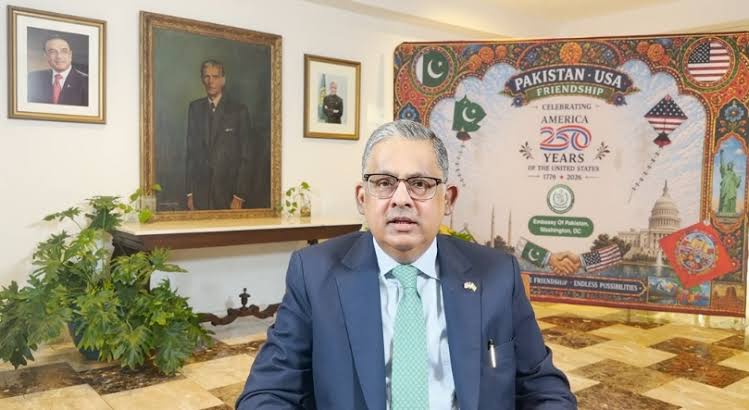
Pakistan has severely criticised the draft agreement that the World Trade Organisation (WTO) is hopeful to finalise to stop overfishing.
Pakistan described the draft deal as “regressive and unbalanced”. Islamabad’s reaction came after the head of the WTO on Thursday expressed optimism about clinching the long-awaited agreement
The virtual conference in Geneva, the first meeting of WTO trade ministers since 2017, aims – after 20 years of talks – to fix rules to curb harmful subsidies that lead to overfishing.
The global trade body has not reached a multilateral deal in years and its director general Ngozi Okonjo-Iweala, who took office in March, said at the start of the ministerial conference that it would be a “litmus test” of the WTO’s ability to do so.
“I believe that we are all genuinely committed, but a shift of mindset is necessary for us to bridge the final gaps that continue to separate members,” she said in opening remarks at the WTO headquarters in Geneva.
“You can send a powerful signal – one way or the other – about the WTO’s credibility as a multilateral negotiating forum.”
However, several ministers expressed deep reservations about the current draft agreement, which is the fifth version and has taken months of negotiations to prepare.
India called the aspects of the draft agreement unjust. “Clearly, it will lead to capacity constraints for developing countries, while advanced nations will continue to grant subsidies,” Indian trade minister Piyush Goyal said in one part of the text. “This is unequal, unfair, unjust.”
The European Union, a major subsidiser, was more upbeat, saying the draft formed the basis of a potential agreement as it “contains many elements for landing zones”.
The comments point to a major gulf between wealthier countries and developing countries that want to build up their fleets. Negotiators got close to agreement at the last WTO ministerial conference in 2017 but the talks collapsed, with some observers blaming developing countries which sought big exemptions. Any deal needs all 164 parties to approve it by consensus.