Says disparity in education is the bottleneck which has stalled educational progress in Pakistan
islamabad
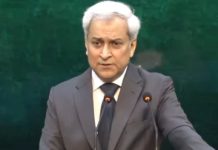
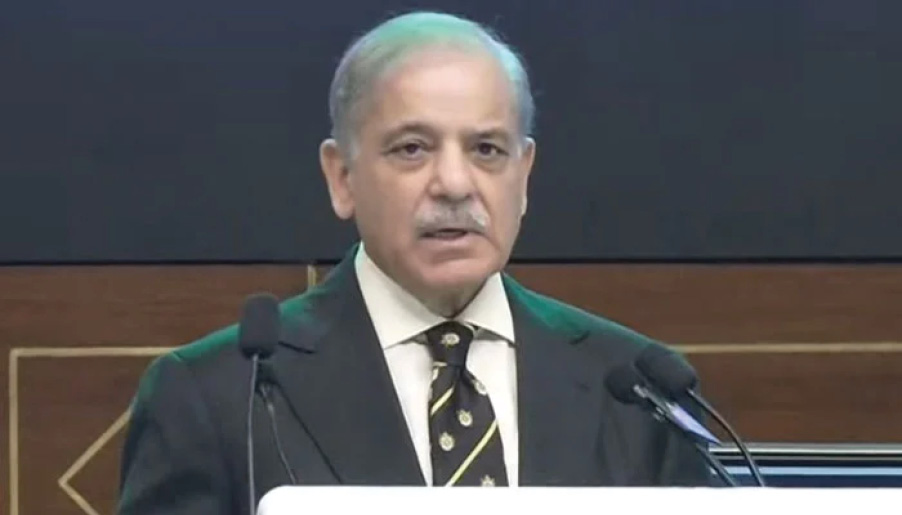
Prime Minister Shehbaz Sharif on Wednesday said ending disparities in access to quality education was essential to transforming Pakistan into the welfare state envisioned by Quaid-e-Azam, stressing that millions of children remained deprived of opportunities enjoyed by pupils from privileged families.
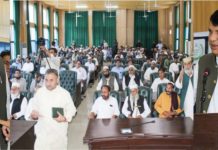
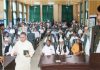
He was addressing an International Youth Day 2026 event attended by members of the government, students and families in Islamabad.
“Pakistan cannot become a welfare state as envisioned by Quaid-e-Azam without ensuring standardised, quality education from Karachi to Peshawar,” the prime minister said during his address at the award distribution ceremony of meritorious students.
PM Shehbaz said he had tried his best to maintain Pakistan’s competitiveness in the education sector with other countries, but acknowledged a stark divide between children who had access to elite institutions and overseas education and those who could not even obtain basic educational opportunities.
“There is sheer misfortune that at one end we have Pakistan where pupils of privileged backgrounds receive the best education … and can even move overseas for better education in North America and the UK because of their family’s resources, while on the other hand there is another [face of] Pakistan where millions of pupils are deprived of even basic educational opportunities,” he said.
The prime minister pointed to a premier school in Lahore as an example of the disparity, saying children of parliamentarians, governors and other influential families studied there while underprivileged children could not even imagine enrolling in such institutions.
“This disparity is the bottleneck which has stalled educational progress in Pakistan,” he said.
The prime minister pointed to a premier school in Lahore as an example of the disparity, saying children of parliamentarians, governors and other influential families studied there while underprivileged children could not even imagine enrolling in such institutions.
“This disparity is the bottleneck which has stalled educational progress in Pakistan,” he said.