Sara Kainat
In a move to alleviate the suffering of the people, the Prime Minister has announced a significant relief package for electricity consumers. As part of this initiative, households consuming up to 500 units of electricity will receive a substantial reduction of Rs. 14 per unit on their bills. Currently, this relief is only applicable to residents of Punjab and Islamabad, but it is hoped that this benefit will be extended to other provinces in the near future.
Initially, it was announced that consumers using up to 200 units would be eligible for relief. However, after two months of public outcry over exorbitant electricity bills, the government has acknowledged the distress faced by the people and taken corrective action. This decision is a testament to the government’s commitment to serving its citizens, much like a mother who, upon seeing her children in distress, takes swift action to alleviate their suffering.”
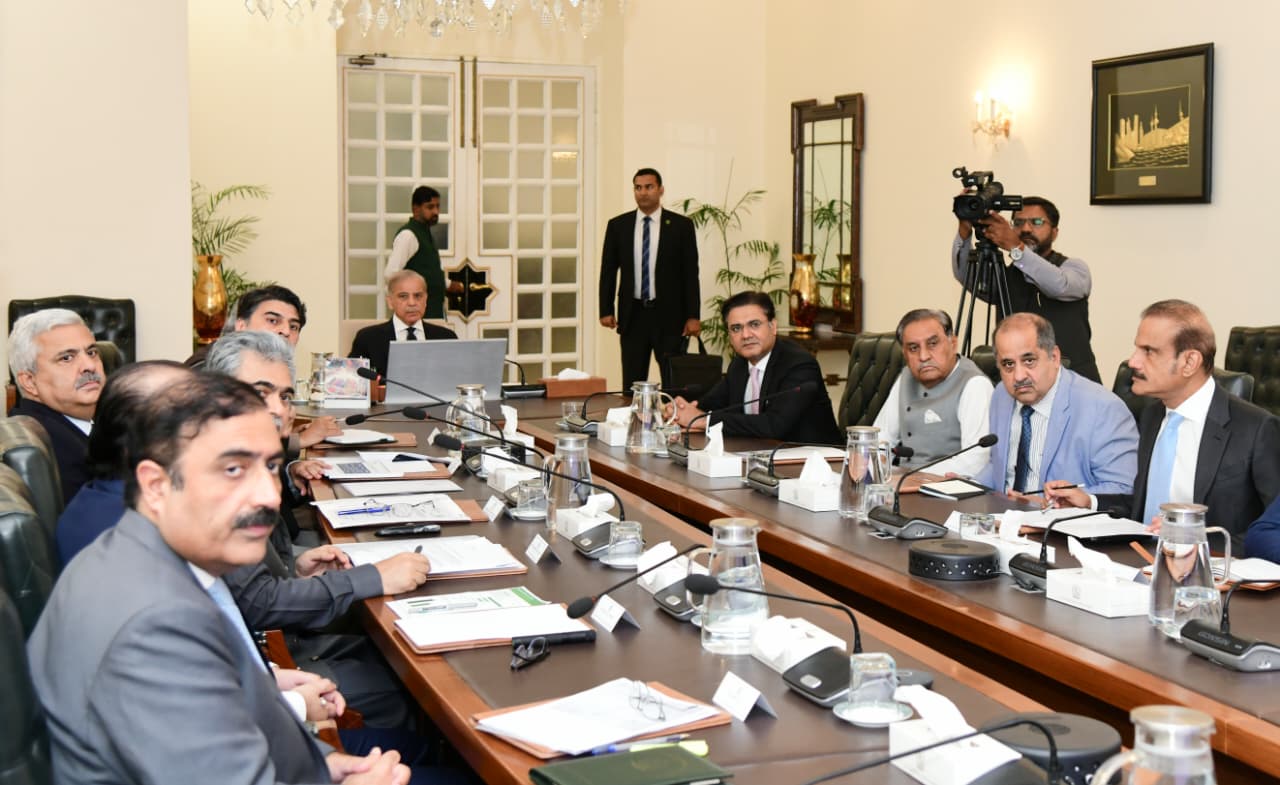
On August 20, Prime Minister Shahbaz Sharif addressed a cabinet meeting in Islamabad, where he highlighted a significant development in the realm of electricity pricing. He announced that the Punjab government has taken a proactive step to provide relief to electricity consumers who fall within a specific usage bracket. Specifically, the provincial government has utilized its own resources to offer a subsidy to consumers who use between 200 and 500 units of electricity per month. This move is aimed at mitigating the financial burden on middle-class households and small businesses, who have been struggling to cope with rising electricity costs. By taking this initiative, the Punjab government has demonstrated its commitment to supporting vulnerable segments of society and promoting economic welfare.”
Prime Minister Shahbaz Sharif emphasized that the Punjab government has taken a solo initiative to provide electricity relief to its consumers, allocating a substantial budget of Rs. 45 billion at the provincial level to fund this endeavor. He made it clear that the Federal government had no involvement in this decision, and the credit for this relief package lies solely with the provincial authorities.
The Prime Minister then urged the other provinces to follow suit, saying “In the name of Allah (Bismillah), let us provide this relief to our people.” He appealed to the leaders of other provinces to prioritize the welfare of their citizens and replicate this initiative, rather than politicizing the issue. By doing so, he encouraged them to put the needs of their people above partisan interests and work towards a common goal of alleviating the suffering of the common man.”
Prime Minister Shahbaz Sharif provided further clarification on the financial dynamics between the Federal government and the provinces, highlighting the significant resources allocated to the provinces. He explained that a substantial 60% of the national budget, amounting to trillions of rupees, is devolved to the provinces, empowering them to address their unique development needs and priorities.
However, the Prime Minister also emphasized the importance of fiscal responsibility, noting that the provinces are not responsible for paying the interest on development loans taken by the Federal government. This means that the provinces have a significant amount of financial breathing room, which should be utilized judiciously to drive meaningful development and growth.
In essence, the Prime Minister was cautioning the provinces to exercise prudence and wisdom in their financial decision-making, ensuring that the substantial resources at their disposal are allocated efficiently and effectively to drive tangible benefits for their citizens.”
Prime Minister Shahbaz Sharif highlighted two significant initiatives undertaken by his government to provide relief to consumers and promote sustainable energy solutions. Firstly, he announced that a substantial relief package of Rs. 50 billion has been provided to domestic consumers using up to 200 units of electricity, benefiting a staggering 86% of households across Pakistan. This move aims to alleviate the financial burden on low-to-middle-income families and support economic welfare.
Secondly, the Prime Minister shared details of a collaborative project with the Balochistan government to transition tubewells from electricity to solar energy. This ambitious plan, worth Rs. 70 billion, seeks to promote renewable energy and reduce dependence on fossil fuels. The Federal government has committed to contributing Rs. 55 billion, while the Balochistan government will provide the remaining amount. This partnership demonstrates a commitment to sustainable development and environmental stewardship, while also supporting the agricultural sector and enhancing energy security.”