ISLAMABAD: UN Women Pakistan, a United Nations organization dedicated to gender equality and empowerment of women, and Handicap International entered into a partnership to work together to increase the recognition of persons with disabilities (PWDs) as rights holders, decrease vulnerability, stigma and discrimination associated with disability, increase the capacity of Disable Persons Organizations (DPOs) to help them generate evidence and engage in protecting the rights and support delivery of services for PWDs at provincial and national levels. The initiative will specifically focus on creating awareness and linkages with relevant institutions, generating access to services and support.
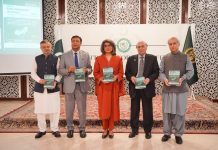
An implementing partner agreement for this initiative ‘Moving from Charity Model to Rights Based Work – Delivering as ONE for Empowerment of Women with Disabilities’ was signed by Mr. Jamshed M. Kazi, Country Representative UN Women, and Ms. Angelina Robinson, Programme Director Handicap International, in a ceremony here on Thursday.
World Health Organization estimates that about fifteen percent of Pakistan’s total population, over thirty million people, are living with different types of disabilities. Around fifty percent of persons with disabilities are women, of which seventy percent live in rural areas with no or limited access to essential services.
Funded by the UN Partnership on the Rights of Persons with Disabilities (UNPRPD), this two-year joint project will be implemented in close collaboration with International Labour Organization (ILO) and UN Volunteers (UNV) in three districts of Peshawar, Karachi and Islamabad (Federal Capital). The pilot project will work closely with the Ministry of Human Rights, other government bodies, civil society, industry, corporate/private sector, potential employers, academia, and technical and vocational training institutions to make efforts for increased accessibility of work places to WWDs in terms of physical access, capacity building, entrepreneurship opportunities, as well as addressing the behavioral and social barriers and stigmas attached to WWDs that hinder equal opportunities and participation for women with disabilities.
Delivering his welcome remarks, Mr. Jamshed Kazi said, “The specific needs of women and girls with disabilities have long been ignored, compelling them to live on the margins of society. We need to make sure they have the right environment in which they are free to exercise their civil and political rights, access basic services and are provided with an opportunity to learn, and subsequently find gainful decent employment.” While pointing out towards the gaps in legislation and implementation of disability inclusive practices at national, provincial and district level, he stressed the need for clear policies including the obligation to collect disaggregated data in all services, on accessibility, participation and inclusion of persons with disabilities. “To leave no one behind, the women and girls of Pakistan must be placed at the center of all our efforts, especially those focused on mainstreaming and the wellbeing of women and girls with disabilities.”
Ms. Angelina Robinson said, “Understanding the massive needs of excluded populations in Pakistan, including people with disabilities and specially women with disabilities, Handicap International is long aware that change cannot be brought on by just a single organization working in silo, it can only be done collectively. Therefore, we are today entering into this partnership to work together with UN Women on an integrated and meaningful approach for making Pakistan a better place for women with disabilities.”
Ms. Abia Akram, Coordinator Special Talent Exchange Program (STEP), said, “We have witnessed the discrimination, violation and stigma persons that persons with disabilities face every day. It is very important to build the capacities of organizations enabling them to mainstream and accommodate persons with disabilities within their programmes.”
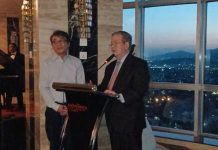
Lawyer and Human Rights Activist Ms. Khadija Siddiqui, who was invited as the guest speaker to the ceremony, said, “I really appreciate the approach adopted through the project theme, i.e. from charity-based model to rights-based model, because I believe it’s time for women to stand up for their rights.” She said that the women had tremendous capacity to play a meaningful role in nation building. Recalling her own ordeal of surviving a brutal knife frenzied attack and then her consequent fight for justice, Siddiqui insisted that women must face challenges with the utmost strength and courage. She said the UN Women initiative would help women with disabilities unleash their potential to improve their lives and livelihoods.
Amama, a hearing impaired motivational speaker, and Saima Aslam, a woman with disability, also shared their stories and thoughts with the audience.