The suicide bombing at Chaman Phatak in Quetta has arrived like cold water thrown over national morale that, only a day earlier, had been lifted by words of appreciation from abroad for mediation in the Iran crisis, with US Secretary of State Marco Rubio acknowledging that Pakistan had done an “admirable job” as the primary interlocutor in efforts to move Washington and Tehran away from the abyss.
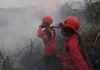
According to the Balochistan government, at least 14 people were killed and 20 injured when a vehicle-borne suicide bomber tore through a shuttle train near Chaman Phatak shortly after 8 am on Sunday, while officials themselves made clear that these were initial figures in a developing rescue operation. The train was travelling from Quetta Cantonment towards the railway station; three coaches, including the locomotive, derailed, two overturned, nearby buildings were damaged, and vehicles caught fire. Three Frontier Corps personnel were among the dead, while the majority of victims were civilians, including families returning home for Eid, pedestrians, bystanders and residents of adjacent houses. The moral indictment becomes even more damning when one considers what Eid means in this part of the world: the annual return of sons and daughters, the gathering of dispersed households, the repair of distance – all of it ruthlessly turned into a route to funerals. The Baloch Liberation Army may claim the vocabulary of resistance, but no honest politics can survive the deliberate targeting of a train in a populated area when women and children are certain to be trapped in the blast radius. The Human Rights Commission of Pakistan (HRCP) has termed it unacceptable that civilians and non-combatants be used as “bargaining tools in situations of conflict and insecurity.” Chief Minister Sarfaraz Bugti’s vow to punish the terrorists of Fitna-al-Hindustan speaks to the proxy character of the campaign being waged in Balochistan. Islamabad has repeatedly exposed what it calls hostile Indian sponsorship of terror networks in Balochistan, and New Delhi’s denials cannot erase its record of treating the province as Pakistan’s open wound. Israel, wounded by its own loss of credibility in Gaza and anxious about Pakistan’s relevance in the Iran file, has lately found it convenient to paint Pakistan as an unreliable actor in Western perception wars. President Zardari’s warning that terrorists and their patrons seek to divert attention from Pakistan’s peace efforts should, hence, be read against this broader attempt to punish Pakistan precisely when it is being recognised abroad.
Pakistan has borne many such tragedies with courage, and it will fight back again, but courage cannot be allowed to harden into routine. The BLA and its patrons must be hunted, exposed and prosecuted without any delay. Most of all, the people of Balochistan must know that the state stands with them. A kinetic response is necessary, but without public trust, it will remain an incomplete answer to a proxy war whose first victims are the very citizens it falsely claims to represent.