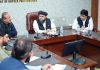
Punjab Chief Minister Maryam Nawaz has removed Jhelum Deputy Commissioner Mir Raza Ozgen after the district administration secured the postponement of intermediate computer science examinations to accommodate her scheduled visit on November 10. The chief minister’s swift intervention, restoring the original examination schedule and ordering the officer’s removal, deserves appreciation. No student’s academic future should be made hostage to the movements of a public officeholder, least of all one whose government has placed education among its foremost priorities.
To add to the irony, the deputy commissioner had first recommended shifting an examination centre over possible traffic congestion. He subsequently sought postponement of the papers across Jhelum, arguing that the administration could not simultaneously manage examinations and a VVIP visit. What on God’s green earth made the authorities believe that hundreds of students should have to rearrange their examinations simply because officials had other engagements? Surely an administration entrusted with running an entire district ought to be capable of managing two scheduled events without sacrificing one for the other.
CM Maryam has made her displeasure unmistakable. She has directed commissioners, deputy commissioners and senior police officers to ensure that her visits do not result in closed markets, sealed residential streets or restrictions on public movement. Security arrangements, she insists, must remain discreet. These instructions deserve to be followed in letter and spirit. They also strike at a deeply entrenched bureaucratic habit of confusing the convenience of those in power with the requirements of public administration.
This is hardly the first occasion on which the chief minister has had to intervene over official excesses. Barely a fortnight ago, she removed Jhang’s deputy commissioner after a vehicle belonging to the Punjab Enforcement and Regulatory Authority was used during a private jeep rally. The authority’s subsequent directions against unauthorised vehicle allocations suggested that the misuse of official resources warranted attention beyond one district. The latest episode raises a similar concern. How many such practices persist until somebody records them, complains or draws the chief minister’s attention?
The government’s willingness to hold officials accountable is encouraging. The next step should be to establish uniform protocols for official visits, with examination centres, hospitals, emergency services and commercial activity protected against avoidable disruption. Security considerations are legitimate, yet they must be managed through planning rather than blanket restrictions.
The real achievement for Punjab’s administration will come when district officials no longer need a public reprimand to recognise their duty. They may have a hard time believing it, but public servants are there to make life easier for citizens, not the other way around.