Seher Sajid Abbasi
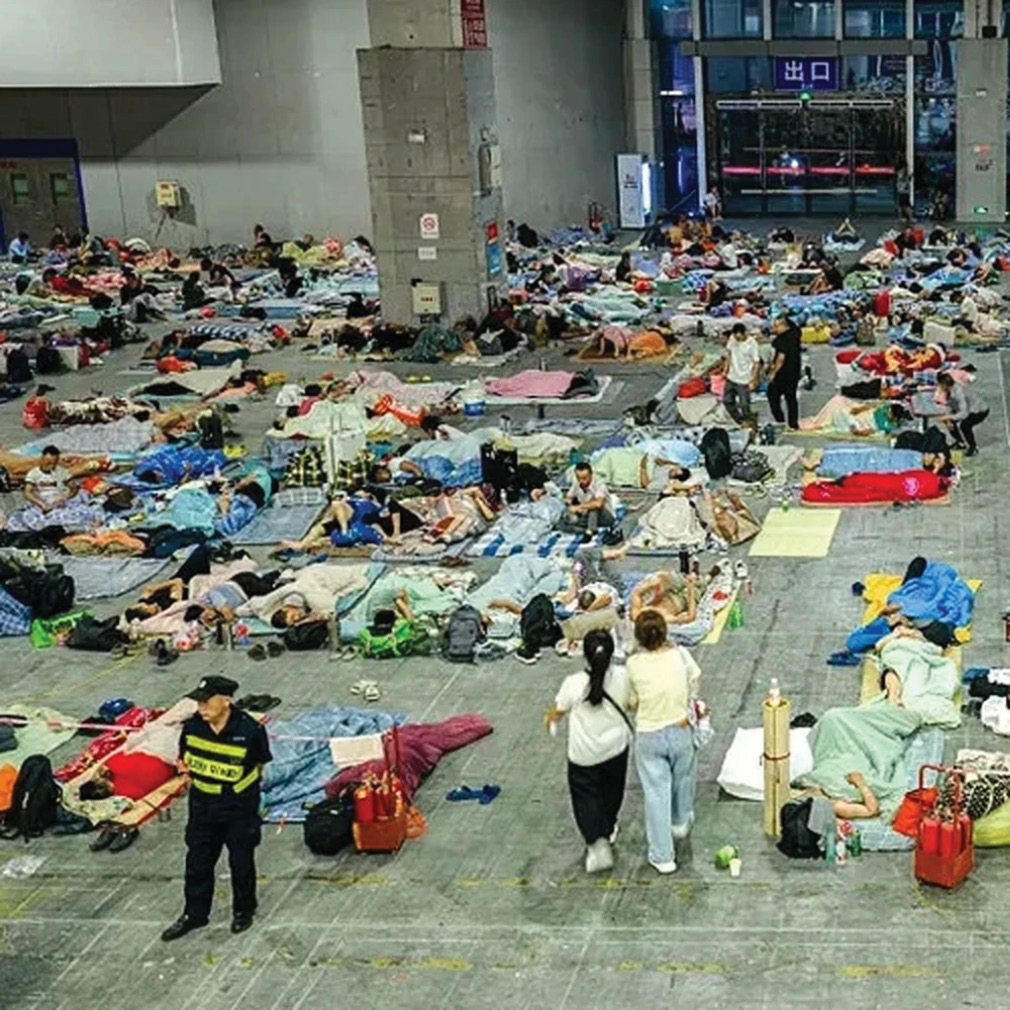
The Mindanao island group (Mindanao), with a population of 24 million, has long had the highest poverty rates in the Philippines despite its natural resources and a promising agricultural sector. Mindanao is prone to natural disasters resulting in displacement – as is the rest of the country. Displacement in Mindanao is also caused by clashes between the military and armed groups that reject or are no longer involved in peace talks with the Government. Besides conflict, displacement, and poverty, a shadow criminal economy, clan politics, and intercommunal tensions also disrupt the livelihaoods and economic potential of Mindanao, requiring a nexus approach to response. Over 100,000 people are in protracted displacement in Mindanao because of conflict and violence.
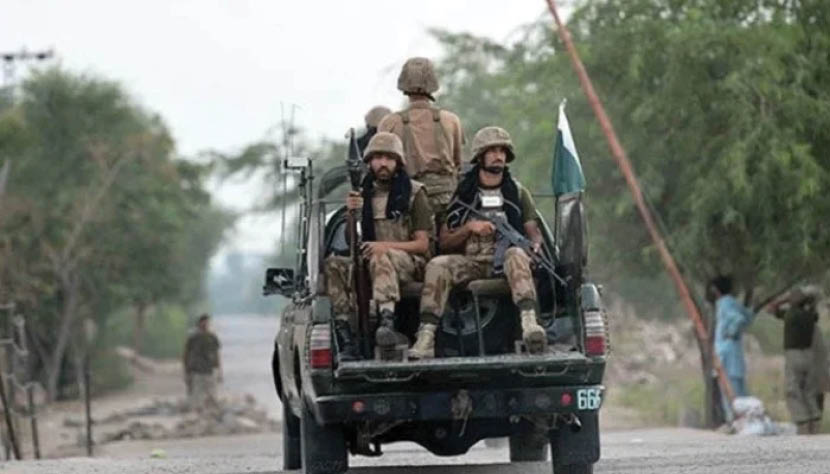
Mindanao has a four-century-long history of Moro resistance against forces from outside the island, with conflict between the Philippine Government and armed groups lasting since the late 1960s. The communist New People’s Army is active across the country, including in Mindanao. The Islamic State has had influence in Mindanao since 2014. The siege of Marawi city in 2017, in Lanao Del Sur province, was a five-month battle between pro-Islamic State fighters and the Philippine military. The conflict displaced 400,000 people to nearby towns and left houses and infrastructure destroyed or damaged. Although reconstruction is taking place, approximately 17,000 IDPs are still unable to return after four years because of the destruction.
The establishment of the Bangsamoro Autonomous Region in Muslim Mindanao (BARMM) in March 2019 has been a major step towards conflict resolution between the Philippine Government and several autonomy-seeking groups, particularly the Moro Islamic Liberation Front (MILF). BARMM is the poorest region in the country. Armed conflict and violence are still common in BARMM’s poorest provinces of Lanao Del Sur, Maguindanao, and Sulu, where clashes between the military and armed groups such as the Bangsamoro Islamic Freedom Fighters and the Islamic State-linked Abu Sayyaf Group occur frequently.
INFORM measures the Philippines’ risk of humanitarian crisis and disaster to be high, at 5.3/10.