Dozens of babies die in orphanage
War erupted in Khartoum on April 15 between army chief and paramilitary Rapid Support Forces
KHARTOUM
In the days after war erupted in Khartoum, Dr Abeer Abdullah rushed between rooms at Sudan’s largest orphanage, trying to care for hundreds of babies and toddlers as the fighting kept all but a handful of staff away. Children’s cries rang through the sprawling building as heavy gunfire rocked the surroundings, she said.
Then came waves of deaths. There were the infants housed on the upper floors of the state-run orphanage, known as Mygoma. Without enough staff to care for them, they succumbed to severe malnutrition and dehydration, the doctor said. And there were the already-fragile newborns in her medical clinic on the ground floor, some of whom died after developing high fever, she said.
“They needed to be fed every three hours. There was no one there,” said Abdullah, speaking by phone from the orphanage, the cries of wailing babies audible in the background. “We tried to give intravenous therapy but most of the time we couldn’t rescue the children.”
The daily deaths ticked up to two, three, four and higher, Abdullah said. At least 50 children – at least two dozen of them babies – have died at the orphanage in the six weeks since the war broke out in mid-April, according to Abdullah. That includes at least 13 babies who died on Friday, May 26, she said.
A senior orphanage official confirmed those figures and a surgeon who has volunteered at the facility during the war said there had been at least several dozen deaths of orphans. Both said the deaths were mostly of newborns and others under a year old. All three cited malnourishment, dehydration and infections as the main causes.
There were further deaths over this past weekend. Reuters reviewed seven death certificates dated Saturday or Sunday that were shared by Heba Abdullah, an orphan-turned-carer. All cited circulatory failure as the cause of death, and all but one also listed fever, malnutrition, or sepsis as contributing causes.
The scenes of babies lying dead in their cribs have been “terrifying,” Abdullah said. “It is very painful.”
Reuters spoke to eight other people who have either visited the orphanage since the war began or have been in touch with other visitors. All said conditions have deteriorated badly and deaths have spiked.
Among them is Siddig Frini, general manager of Khartoum state’s ministry of social development, which oversees care centres, including budget, staffing and supplies. He acknowledged a rise in deaths at Mygoma, attributing it mainly to staff shortages and recurrent power outages caused by the fighting. Without working ceiling fans and air conditioning, rooms turn stiflingly hot in Khartoum’s baking May weather, and the lack of power makes sterilising equipment difficult.
Frini and the director of the orphanage, Zeinab Jouda, referred questions about the total death toll to Abdullah, Mygoma’s medical chief. Jouda said she was aware of more than 40 deaths, telling Reuters the fighting kept the carers – known as nannies – and other staff away in the early days of the war. As of Friday, May 26, she said that there are ongoing discussions about evacuating orphans out of Khartoum.
Mohammed Abdel Rahman, director of emergency operations at Sudan’s health ministry, said a team is investigating what is happening at Mygoma and will release the results once done.
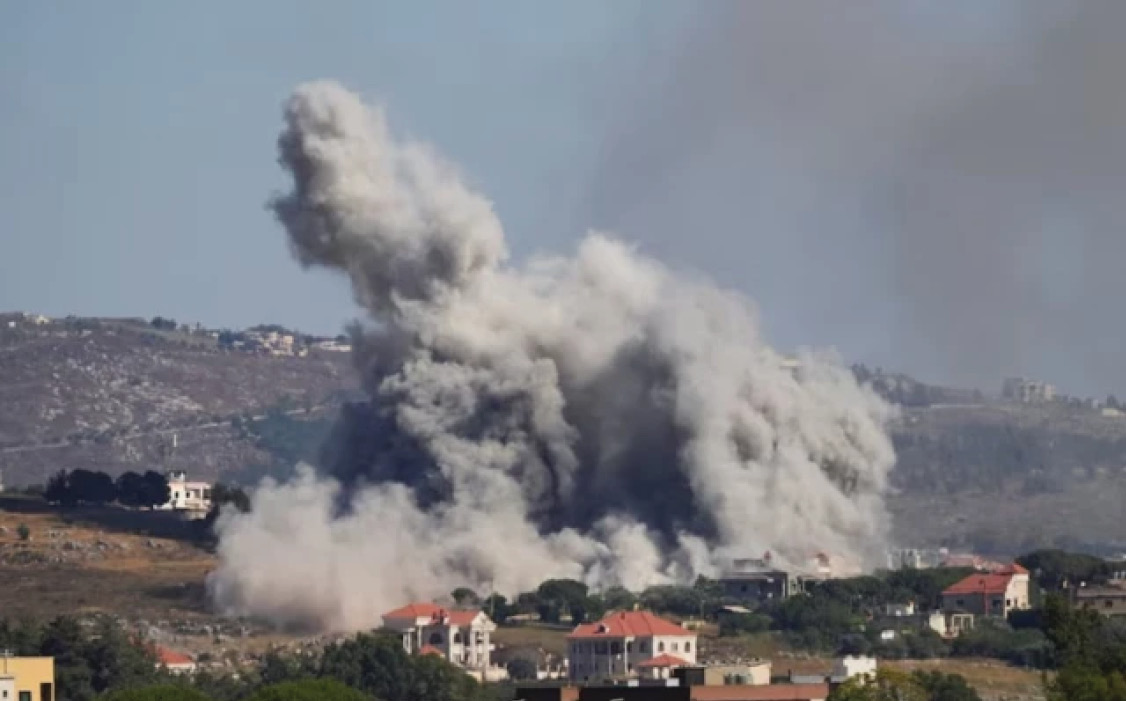
The area remains dangerous. Late last week, airstrikes and artillery slammed the district where Mygoma is located, according to Abdullah the doctor and two others. Following an explosion at a neighbouring building, babies had to be evacuated from one of the orphanage’s rooms, said carer Heba Abdullah.
Invisible victims of a larger war
Mygoma’s dead babies are among the invisible victims of the war in Sudan, Africa’s third-largest country by area. The fighting has killed more than 700 people, injured thousands of others and displaced at least 1.3 million people within Sudan or neighbouring countries, according to the United Nations.
The real death toll is likely to be higher. Many of the health and government offices that would track fatalities in Khartoum, where fighting has been heaviest, have ceased to function. Sudan’s health ministry has separately recorded hundreds of deaths in the city of El Geneina in Darfur region, where violence also has flared.