The recent surge of Rs17.50 per litre in petrol prices, accompanied by a Rs20 increase in diesel rates, has sent shockwaves across Pakistan, propelling inflation onto an upward trajectory. This move, although anticipated due to Pakistan’s agreement with the International Monetary Fund (IMF), has plunged the nation into uncharted territory, marking an unprecedented juncture in its economic history.
While kerosene and light diesel oil prices remain unaffected, the stark reality of this fuel price escalation cannot be denied. Pakistan’s $3 billion deal with the IMF was undoubtedly a response to the harsh economic realities facing the nation. The resultant conditions have paved the way for more rate hikes, elevated gas and electricity tariffs, reduced subsidies and, consequently, increased burdens on the common citizens.
For majority of the countrymen, predominantly residing within the lower-income bracket even by global standards, the ramifications of this fuel price surge are deeply distressing. Essential food and other basic commodities have spiraled beyond reach, prompting white-collar workers to juggle multiple jobs and cut back on essential expenses such as education and healthcare.
The question on everyone’s minds is, how long will this persist? The Pakistani economy, grappling with the aftermath of devastating floods, intense political divisions and runaway price inflation, finds itself in a state of uncertainty. The somber scenario seems inescapable, driven by the stringent conditions imposed by international lenders and the precarious state of the nation’s finances.
Bearing the brunt of inflation, the burden on the public is undeniable unless the government devises innovative avenues for generating revenue and breaks free from the shackles of foreign loans. Citizens, in the face of this adversity, can take immediate measures to mitigate the impact. Strategies such as curtailing non-essential travel, embracing car-pooling and adopting fuel-efficient vehicles can alleviate the financial strain.
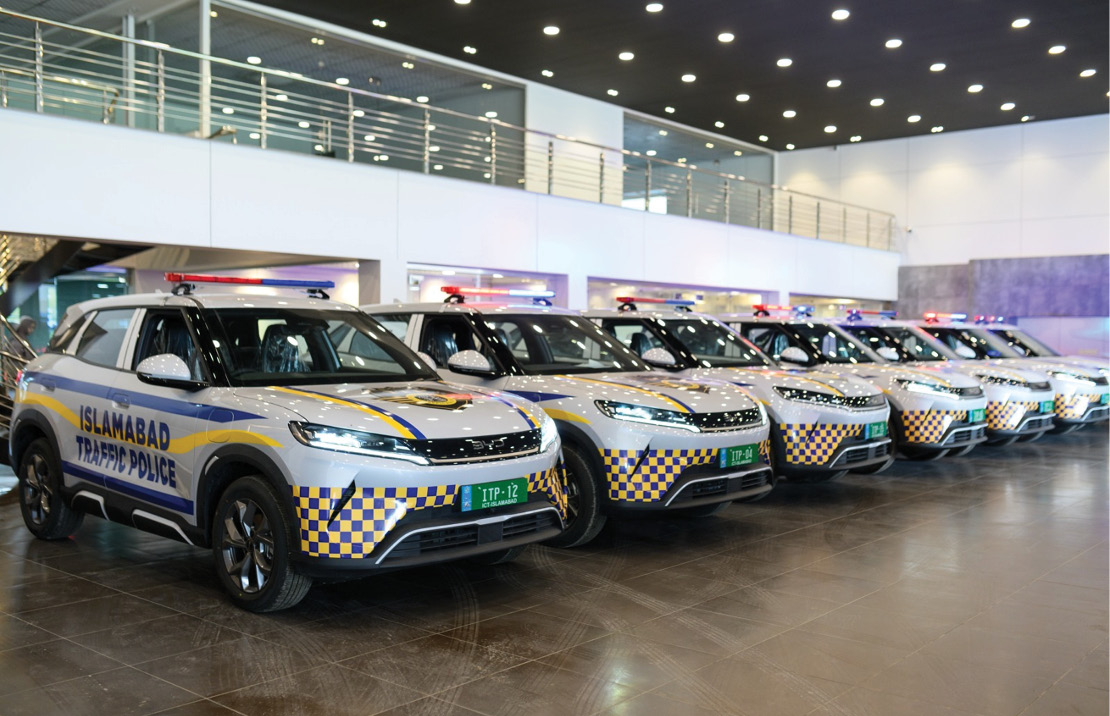
Moreover, at the domestic front, conserving electricity and reducing consumption of non-essential imported goods can contribute to lower monthly expenses. Encouraging the adoption of electric vehicles emerges as a sustainable solution, providing incentives for citizens to make the switch to greener modes of transport that are cost-effective in the long run.
In this challenging period, there lies an opportunity for Pakistan to embrace innovation and self-sufficiency. Initiatives that promote indigenous renewable energy technologies and local electric vehicle manufacturing should be incentivized. Pakistani engineers and entrepreneurs can play a pivotal role in driving this transformation, not only fostering economic growth but also bolstering the nation’s self-reliance.
The fuel price hike may cast a shadow of uncertainty over Pakistan’s economic landscape, but it also beckons the nation to recalibrate its trajectory. With prudent policies, strategic investments and a collective commitment to change, Pakistan can navigate these tumultuous waters and emerge stronger on the other side.