Khirbet Zanuta
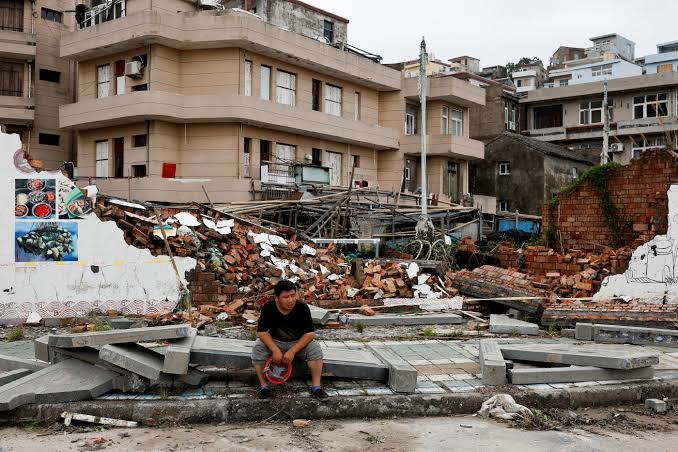
Amin Hamed al-Hadhrat took a break from taking down his family’s home in the South Hebron Hills, crying. “I know in a day or two I’m going to live somewhere else, but I still can’t imagine it happening,” the 37-year-old said.
“All I know is living here. All my father knew was living here. I don’t know what it is like to live anywhere else.”
This week, al-Hadhrat’s village of shepherds, Khirbet Zanuta, joined the growing swell of Palestinian Bedouin villages forcibly emptied since October 7 due to violent attacks from armed Israeli settlers often wearing Israeli military uniforms.
Khirbet Zanuta is located in the South Hebron Hills region in Area C of the occupied West Bank, which is under full Israeli military control. The founding of Meitarim Farm, an Israeli outpost located 100 metres away on the next hill, in 2021 had made life hard for the community, according to residents.
Settler violence prevented the shepherds from allowing their livestock to graze.
Such attacks have escalated dramatically since October 7, say Palestinian villagers, Israeli activists and international organisations. The United Nations has said that the daily rate of settler violence incidents in the West Bank has more than doubled, up from three to an average of seven in this period. And while the Gaza Strip has borne the brunt of Israel’s devastating bombardment since the Hamas attack on southern Israel, with more than 9,000 Palestinians killed in the besieged enclave, attacks by settlers and Israeli forces have also killed more than 130 Palestinians in the West Bank.
Settlers usually come in the night, destroying water tanks, piping and electrical systems; breaking windows and cars. Most alarming to Khirbet Zanuta residents was when armed settlers began entering homes to beat Palestinian shepherds. On October 27, settlers told residents that if they did not leave in 24 hours, they would be killed.
“There’s a difference between feeling unsafe when you go grazing and feeling unsafe even in your own home,” said al-Hadhrat. Worried for the safety of their children and themselves, the community decided they must leave.
So this past week, the dusty village of 150 people took down their hardscrabble homes made of tin or stones, packing their belongings onto pick-up trucks, bit by bit. While the adults were busy packing haystacks and iron rods, sorting through flour and animal feed, a little girl sat on the barren ground, playing with pebbles. A boy attempted to pick up iron bars to pitch in. Another child simply sat on a rock, wiping tears from his eyes.