The legislation seeks greater oversight and compliance with environmental and safety standards
DLP Report
PESHAWAR
The provincial assembly on Monday passed the “Khyber Pakhtunkhwa Registration of Brick Kilns Bill, 2024”, aimed at regulating the brick kiln industry across the province.
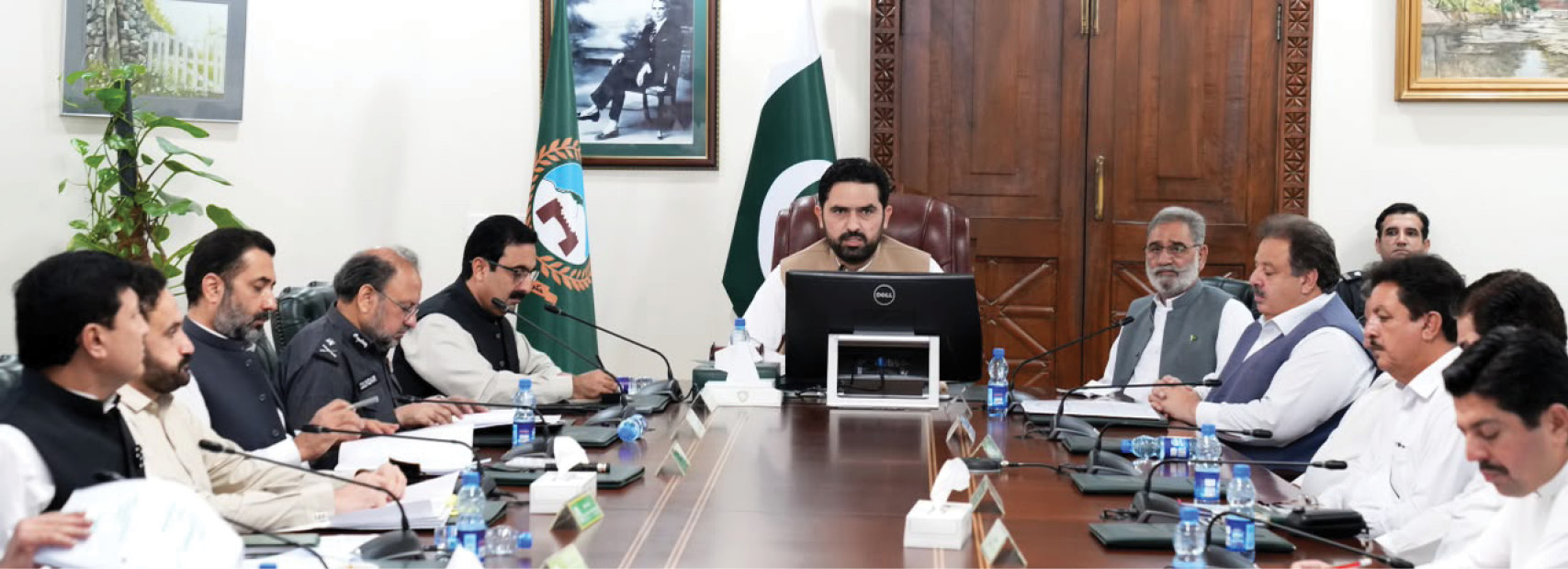
The bill was presented in the KP Assembly by the Special Assistant for Industries and Commerce, Abdul Karim Khan.
The legislation seeks to establish a regulatory framework for the brick kiln sector, ensuring greater oversight and compliance with environmental and safety standards, said Abdul Karim Khan.
“All brick kiln in the Province of Khyber Pakhtunkhwa shall for all intents and purpose be deemed as industry,” the bill said.
This new law aims to formalize and modernize an industry that has long operated without proper oversight, with a strong emphasis on environmental protection and worker welfare.
A copy of the bill reads that brick kilns in the province will now be recognized as a formal industry, which means that individuals or businesses wishing to establish a brick kiln will first need to register with the relevant authorities.
According to the bill, the existing brick kilns units must complete the registration process within 120 days to comply with the new law.
The law establishes a “special authority” under the Directorate General of Industries and Commerce, which will be responsible for overseeing the registration of brick kilns.
According to the latest legislation, the registration certificate will be mandatory before the establishment of any new kiln, ensuring that only compliant operators can set up and run brick kilns in the province.
A significant aspect of the new law is its emphasis on environmental protection. Only brick kilns that use environmentally friendly technology will be allowed to operate.
This is aimed at reducing the smoke and pollution typically caused by traditional brick kiln methods, which have been a source of serious environmental and public health concerns.
The law also prohibits the establishment of kilns near sensitive areas like schools, hospitals, forests, and electricity transmission lines to minimize the adverse impact on communities and the environment.
The law imposes penalties for violations, including up to six months of imprisonment and a fine of up to 200,000 rupees for non-compliance.
These penalties are designed to ensure that brick kiln operators adhere to the regulatory framework and environmental standards.
The legislation is also seen as a step towards protecting workers’ rights, as it seeks to enforce safer, cleaner working conditions in the brick kiln industry.
The new legislation aimed at reducing the exposure of workers to harmful fumes and toxic emissions that are common in unregulated kilns across the province.
“The Bill also seeks to prevent the misuse of agricultural land for non-agriculture purposes, enforce strict penalties for violations, and streamline the registration process to enhance oversight and governance in the brick kiln industry,” it stated.