Press freedom under siege
LANDIKOTAL
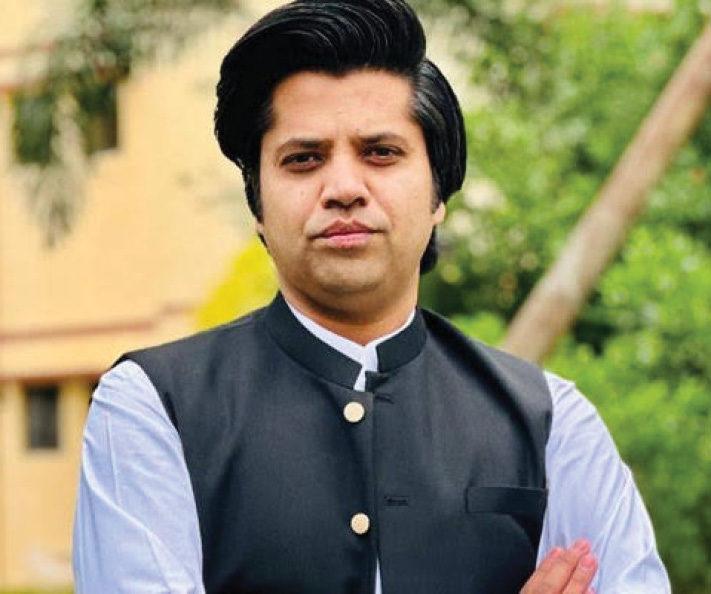
Journalists in ex-Fata condemned the abduction of senior tribal journalist Inamullah Mehsud and urged authorities to provide protection to media workers in tribal districts, as the growing threats, killings and displacement make it increasingly dangerous for journalists to conduct free and fair reporting in the merged districts.
The journalists raised voices on Tuesday after Inamullah Mehsud, a well-known journalist and active member of the Tribal Union of Journalists,(TUJ Ex-Fata) was abducted from his home in Tank by unknown armed men on the night of April 12, 2025.The kidnapping took place at around 11 PM.
Journalists in district Khyber,Bajaur and Press Freedom Nework in their separate statements demand the safe release of the missing journalist.
Eye witnesses said that heavily armed, masked individuals stormed into Inamullah residence, forcibly took him at gunpoint and moved him to an unknown location. The operation was swift, professional and terrifying,they said.
Inamullah’s younger brother, Anis Mehsud, told journists that the family has had no contact with him since his disappearance. “We fear he was abducted due to his reporting. He was covering sensitive issues and had received threats in the past,” Anis said.
The Tank police station atarion House Officer Sher Afzal, confirmed that no leads had been found and that an investigation was ongoing. However, the lack of urgency has alarmed journalists and human rights defenders alike.
The Tribal Union of Journalists ex-Fata president Hasbanullah condemned the abduction in the strongest terms. “Inamullah’s life is in grave danger. We demand immediate and effective action from the Regional Police Officer(RPO)and District Police Officer(DPO) in Tank,” Hasbanullah said. The TUJ ex-Fata president threanted that if Inmaullah Mehsud was not safely recovered within 24 hours he would give protests call across all merged tribal districts and Frontier Regions(FRs) and would announce boycott from covering government news.
Hasbanullah also urged international journalist protection organizations and human rights groups to raise their voices for the protection of journalists in Pakistan, particularly in Khyber Pakhtunkhwa’s vulnerable tribal areas.He said 16 tribal journists have been killed while more than hundred have fled from their home towns to spare their lives. He said a number of tribal journalists also went underground and stopped journalism due extensive threats to their lives.
“It is unacceptable that our colleagues continue to be kidnapped, killed and silenced. We demand proper legislation, protection protocols and investigations into all past and present cases. The international community must also press Pakistan to take journalists’ safety seriously.”Hasbanullah said.
The journalist kidnapping from his home is a latest incident in a long series of attacks on journalists in ex-Fata and rest of Khyber Pakhtunkhwa province. In May 2023, prominent journalist Khalil Jibran Afridi,former president of Landikotal press club was shot dead by unknown gunmen near his home in Landikotal in Khyber district. Known for his fearless reporting on militancy and border smuggling, Khalil had received numerous threats prior to his murder. His killers have not been identified and no arrests have been made, a reflection of the impunity that surrounds such cases.
In 2016 Mehboob Shah Afridi was killed in a suicide attack in Jamrud, while in 2012 Nasrullah Afridi was killed in a car bomb blast.
Malik Mumtaz Khan, a senior journalist from North Waziristan was assassinated in Miranshah In 2012,while working for Geo News and Jang newspaper. His death triggered outrage but like many others, his case remained unsolved.
Similarly, in 2009, Musa Khankhel was murdered in Swat while covering a peace rally. Despite the national attention his death received, justice was never served.
Across the tribal belt, journalists face threats not only from militants but also from smugglers, political operatives and unknown persons. Many receive anonymous threats, pressuring them to stay silent or face violence. These threats extend to family members, leading to immense psychological stress and fear in journalists’ households.
As a result, a significant number of journalists from North and South Waziristan, Khyber, Bajaur and Mohmand tribal districts have migrated to urban centers such as Peshawar and Islamabad, seeking safety. Others, with greater means or networks have fled the country and applied for asylum in Europe, Canada, and the United States.
Those who remain often practice self-censorship, avoiding sensitive subjects and minimizing public visibility. They rarely attend public events or protests for fear of being identified or targeted. Family members of these journalists live in anxiety, children are often withdrawn from schools and normal life becomes impossible.
In Waziristan, journalist Noor Behram was forced to go into hiding after repeated threats over his coverage of militant activity and military operations. In Bajaur, Ameen Shah relocated with his family after similar experiences. Dozens more remain vulnerable, working in silence without protection or support.
Global watchdogs like Reporters Without Borders (RSF) and the Committee to Protect Journalists (CPJ) have repeatedly called on the Pakistani government to safeguard journalists. Their annual reports rank Pakistan among the most dangerous countries in the world for media workers. However, little has changed on the ground.
In tribal districts, local journalist unions and press clubs are struggling with limited resources and lack of legal or security assistance. Many operate in isolation, without training on digital or physical safety and lack access to legal representation when threatened or arrested.
The wider journalist community across Pakistan has issued a unified call to the government: protect journalists and their families before it’s too late. Press freedom, they say, is essential not only for democracy but also for transparency and accountability, especially in sensitive and conflict-prone areas.
As the situation worsens, the fate of Inamullah Mehsud remained unknown. His case, like many others, highlights the urgent need for action. Without protection, justice and reform, the voices of truth from Pakistan’s tribal belt may continue to be silenced one by one.