40% of children fewer than five in KP are stunted, 15% wasted: Survey
JAVED KHAN
PESHAWAR
Khyber Pakhtunkhwa is grappling with a growing nutritional crisis that threatens the health and well-being of its most vulnerable populations—women, children, and adolescents.
Among children under five, 40 percent are stunted, 15pc are wasted, 23.1pc are underweight, and a concerning 12.9pc are overweight in the province.
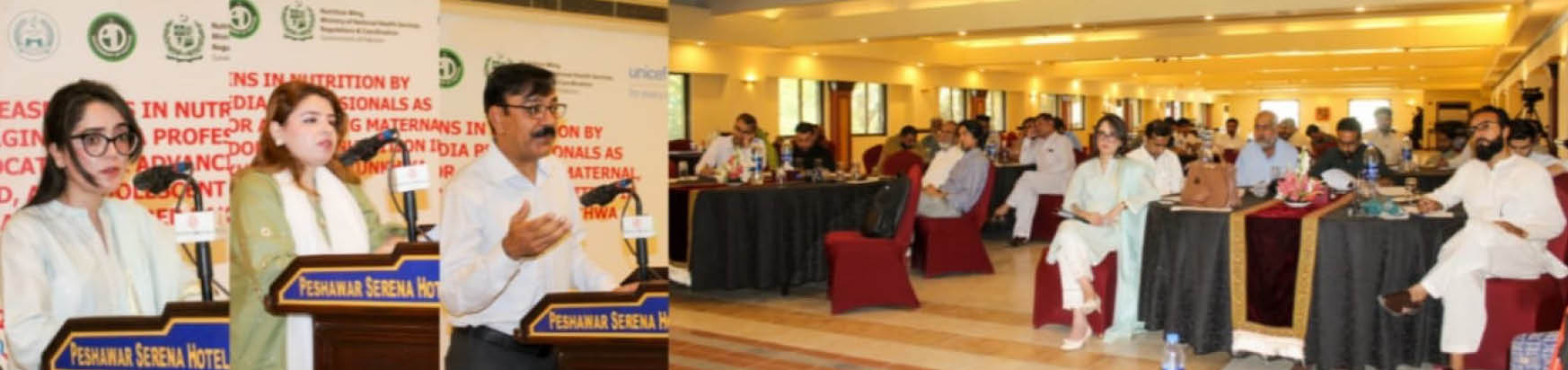
The statistics were shared by organizers with participants of a workshop titled “Media Advocacy Workshop on Maternal, Child, and Adolescent Nutrition” held at Peshawar here on Monday.
The event was organized by Save the Children International to bring together media professionals, policymakers, key stakeholders, and community women to highlight and address pressing nutrition-related challenges.
The speakers while quoting the statistics from the National Nutrition Survey 2018 revealed that a dual burden of undernutrition and over nutrition, demanding immediate and evidence-based policy interventions across the country.
The speakers, Azam Kiani, Dr Fazal Majeed, and Ms. Shiza, said Pakistan continues to struggle with a triple burden of malnutrition, ranking among the countries with the highest prevalence globally.
They urged the media to play its due role for increasing public awareness in addressing maternal, child and adolescent nutrition in KP by creating awareness, driving behavior change, and advocating for systemic action.
The nutrition status of women of reproducing age (WRA) in KP is equally concerning, they added.
The statistics said that estimated 38.2pc women in the province are anemic, 47.7pc are deficient in vitamin A, and an alarming 76.4pc suffer from vitamin D deficiency. Additionally, 8.3pc WRA are underweight, while 28.2pc are either overweight or obese, indicating a growing prevalence of over nutrition.
The speakers said that the local community needs to be educated on the importance of exclusive breastfeeding, balanced diet, and the risk of malnutrition, while also dispelling myths and misinformation.
Through success stories, the implication of vulnerable voices, and policy advocacy, the media can push for stronger policies and programs, helping to shift cultural norms, promote healthy practices, and foster collaboration between communities, government, and organization.
KP health department representative Dr Haroon said on the occasion that a comprehensive work has been launched to devise a holistic policy on nutrition, adding that KP government utilizes all available resources to address the challenge of malnutrition in vulnerable groups of the society.