Ali Anwar
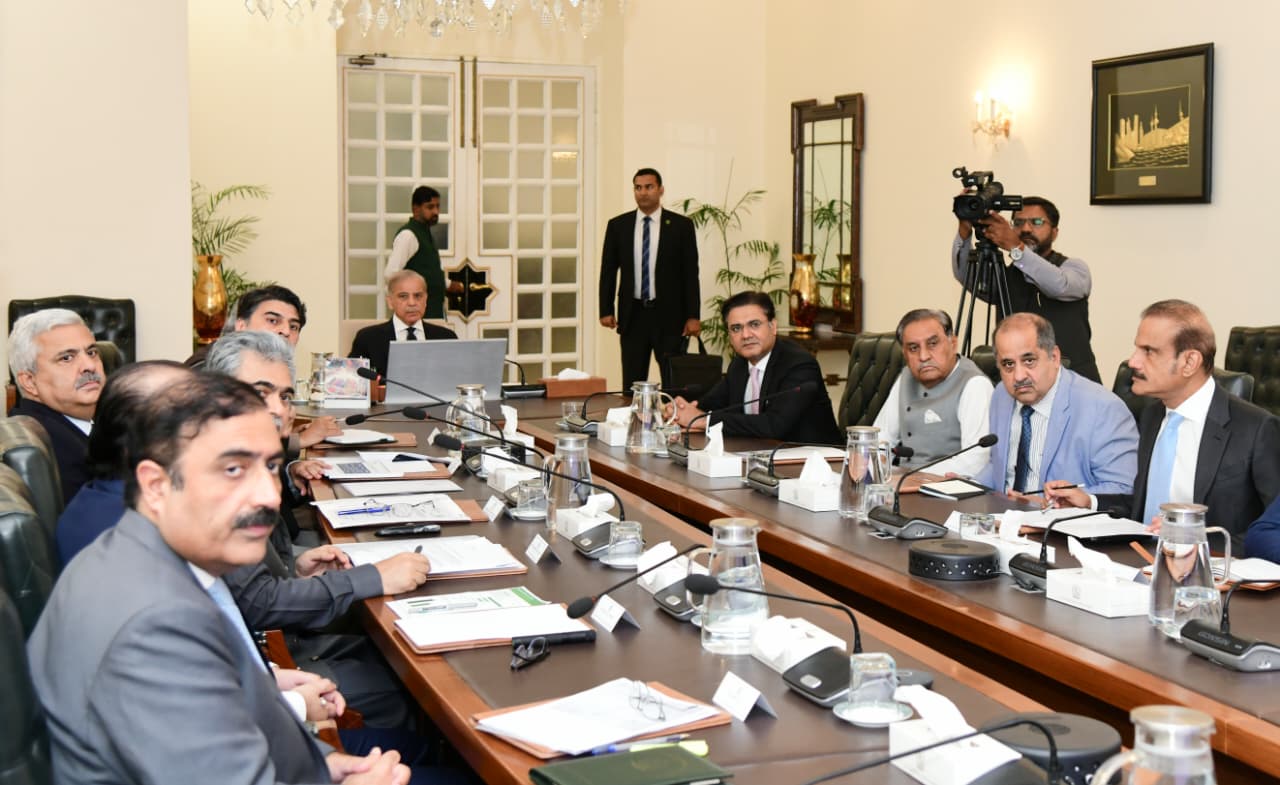
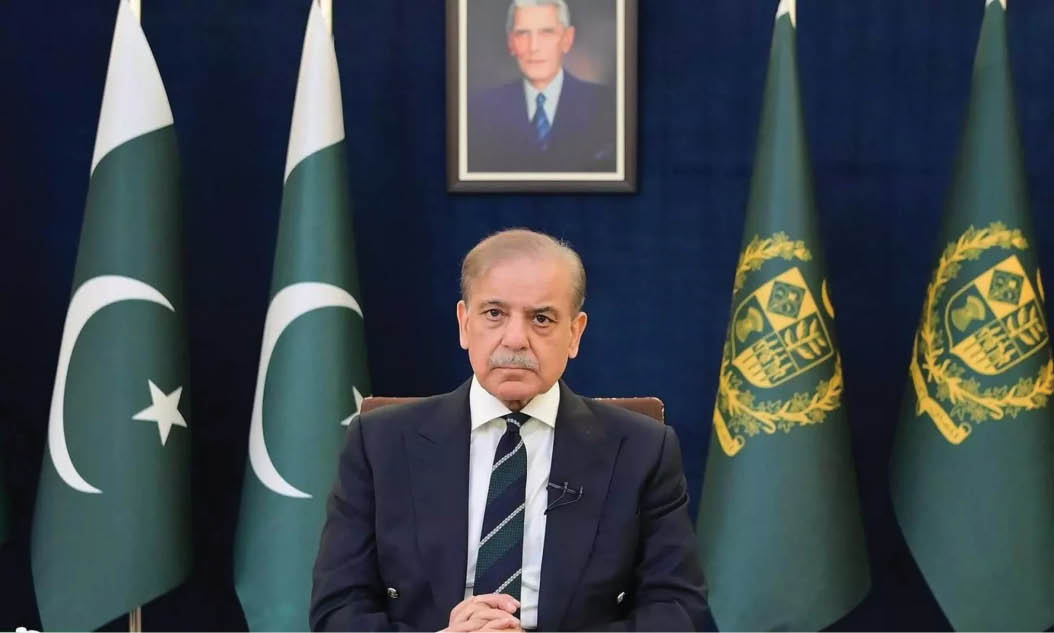
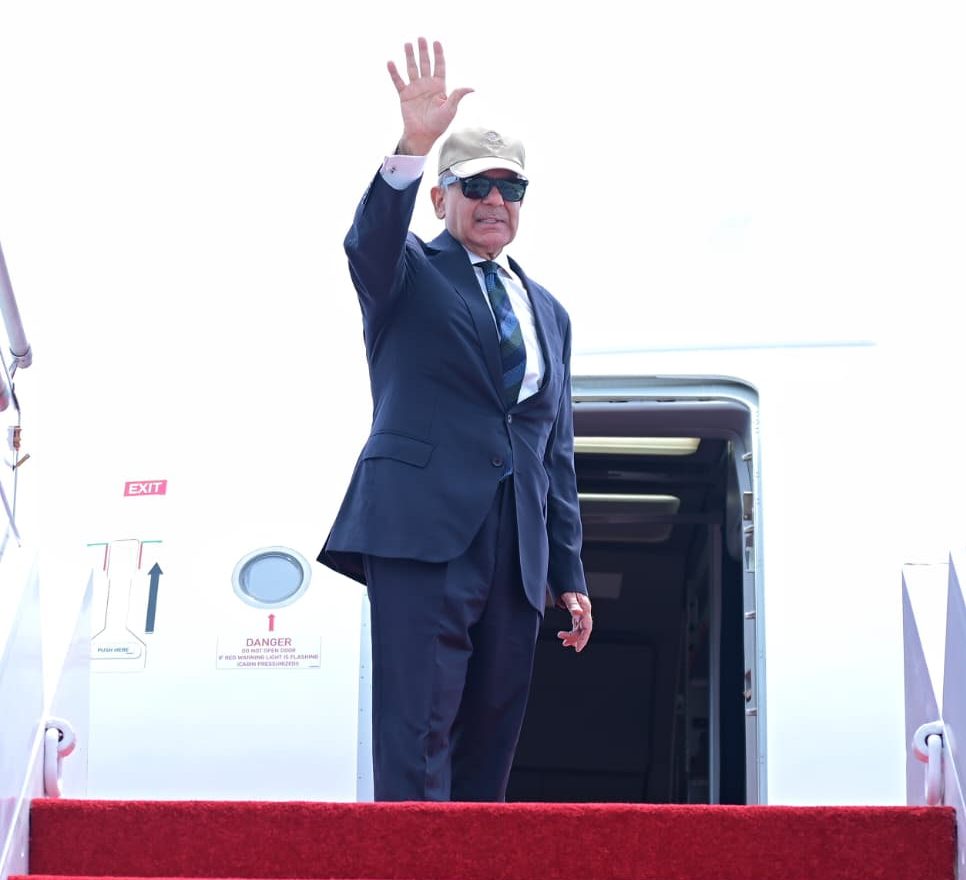
Following India’s recent military provocations, Pakistan’s response on both defensive and diplomatic fronts-marked by seriousness, harmony, and prudence-demonstrates the vision and foresight of our national leadership. Under the leadership of Prime Minister Shehbaz Sharif and Field Marshal General Asim Munir, successful visits were made to four key friendly countries-Turkey, Iran, Azerbaijan, and Tajikistan. These visits are a practical manifestation of the fact that Pakistan is not only strong on the battlefield but also makes strategic and wise moves in the diplomatic arena.
Although these visits appeared to be expressions of gratitude, in reality, their scope was much broader and deeper. They signify the formulation of a new diplomatic narrative in which Pakistan conveys to global powers that peace in South Asia is only possible if India’s unilateral aggressive behavior is effectively countered and Pakistan’s security concerns are taken seriously.
The first stop of the Prime Minister and Army Chief was Turkey, where President Recep Tayyip Erdo?an warmly welcomed them. Detailed meetings were held with Turkish Defense Minister Ya?ar Güler and other senior military and political officials, discussing defense cooperation, joint exercises, and technology transfer. Turkey’s clear support for Pakistan’s stance is not only commendable but also a sign that a new chapter of mutual cooperation is opening within the Muslim world. Turkish drones also played a notable role in countering Indian advances.
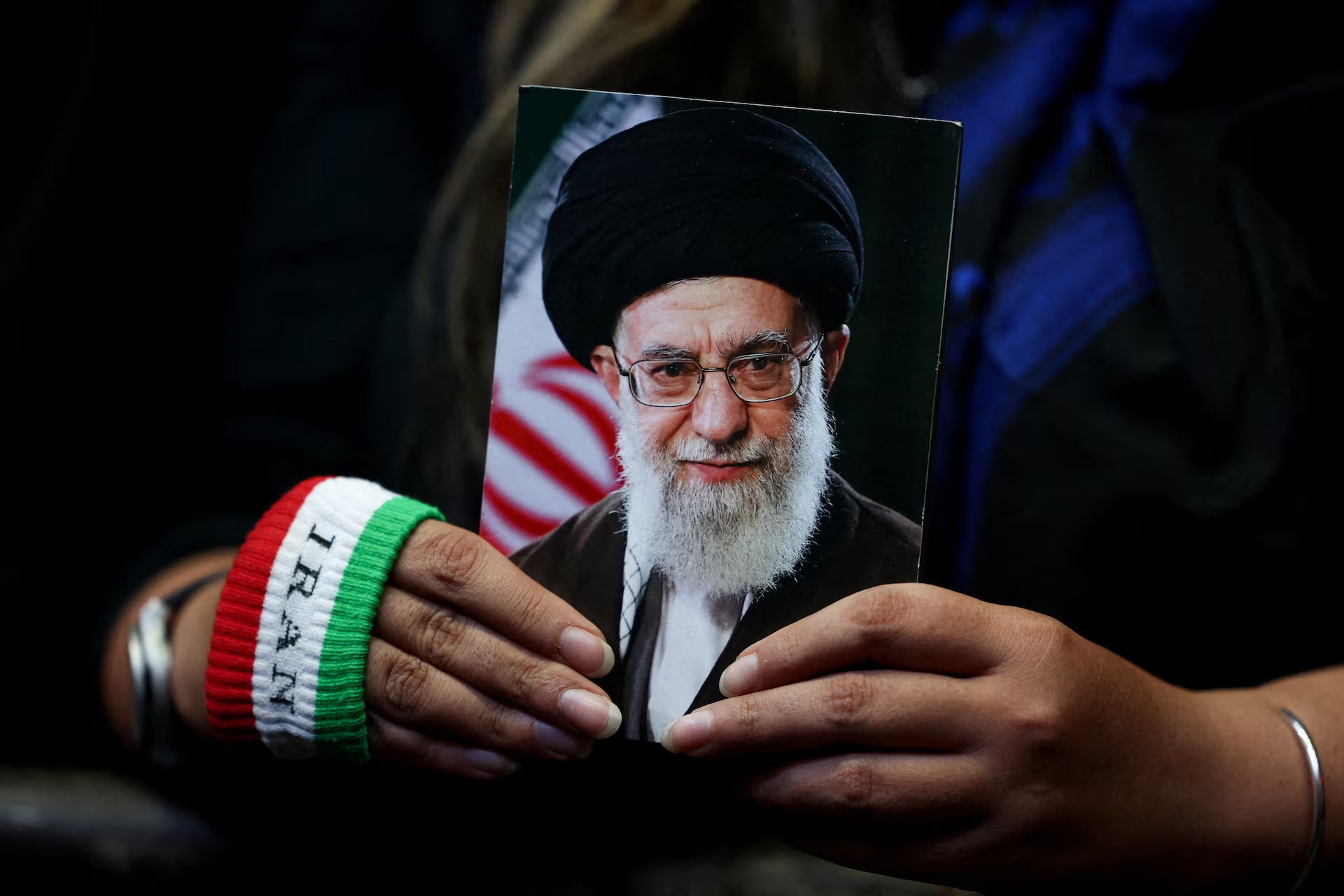
The second important stop was Iran, where the meeting with Supreme Leader Ayatollah Ali Khamenei marked the beginning of a new era in Pakistan-Iran relations. Iran not only supported Pakistan diplomatically but also adopted a balanced and Pakistan-friendly stance at global forums. Discussions were held on border security, regional connectivity, and cooperation in the energy sector, which are expected to strengthen future ties. Given that India is investing in Iran’s Chabahar Port, Pakistan’s efforts to enhance relations with Iran strike a blow to India’s strategic interests.
The visit to Azerbaijan was not just a formality but involved several practical developments. In a trilateral meeting, leaders from Turkey, Iran, and Pakistan discussed shared defense and economic interests. Azerbaijan’s President Ilham Aliyev and Turkey’s President Erdo?an also attended the meeting, sending a strong message of regional unity and solidarity. The visit to the city of Fuzuli, a symbol of Azerbaijan’s victory in Nagorno-Karabakh, reflected Pakistan’s unwavering support for Azerbaijan’s position. Just as Pakistan supported Azerbaijan against Armenia, Azerbaijan openly backed Pakistan against India and even expanded defense cooperation afterward, prompting a boycott campaign against Azerbaijan in India.
Pakistan’s relations with Tajikistan have always been cordial, but this visit emphasized economic and regional connectivity. Meetings with Tajik leadership focused on regional stability, trade corridors, and counter-terrorism.
The most significant aspect of these diplomatic tours is that Pakistan demonstrated unity between its civilian and military leadership. The simultaneous visits by Prime Minister Shehbaz Sharif and Field Marshal General Asim Munir were not just diplomatic gestures but a declaration that decision-making in Pakistan is unified, and there can be no compromise on national interests.
This was the first international visit by General Asim Munir after being elevated to the rank of Field Marshal. His personality, reputation, and professional competence have strengthened Pakistan’s defense narrative on the global stage. These visits not only secured moral support for Pakistan at the international level but also demonstrated that Pakistan is not isolated. Of course, every action may attract criticism, but in the current scenario, such visits were essential. When the enemy stands at your doorstep and propaganda continues in the diplomatic field, it becomes necessary to align with allies, express gratitude for their support, and show the world that Pakistan is a dignified state that stands firm on its principled position rather than bowing to aggression.
In today’s global environment, wars are not fought solely with bullets and tanks-they are fought with diplomacy, media, economy, and alliances. This joint diplomatic mission by the Prime Minister and Army Chief exemplifies a harmonious strategy that pulls Pakistan out of isolation and places it among the world’s key players. Now is the time for internal unity, placing national interests above personal ones. The unity of civil and military leadership is not only a symbol of national cohesion but also sends a positive message globally. The way the Pakistan Army responded to Indian aggression after May 6 not only elevated its stature domestically but also earned recognition for its efforts.
The writer is an old Aitchisonian who believes in freedom of expression, a freelance columnist, entrepreneur and social activist.