ISLAMABAD
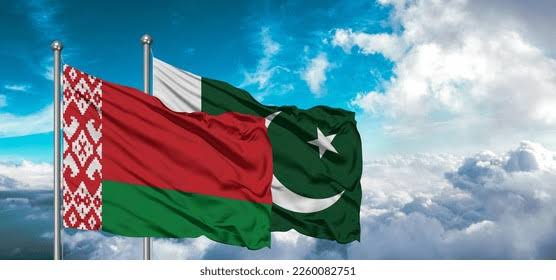
A recent labor agreement between Pakistan and Belarus, aiming to send around 150,000 skilled Pakistani workers to Belarus, has sparked significant concerns among migration experts, law enforcement agencies, and human rights advocates. The Memorandum of Understanding (MoU), signed during Prime Minister Shehbaz Sharif’s April 2025 visit to Minsk, was initially presented as a promising opportunity for employment in sectors such as healthcare, IT, construction, and engineering. However, beneath the surface, the plan is fraught with risks and uncertainties that could have serious consequences for Pakistani workers and their families.
Lack of Implementation and Economic Viability:
One of the most glaring issues with the MoU is the absence of a clear implementation framework. While the agreement promises dignified livelihoods, it fails to outline concrete steps for recruitment, placement, and worker protection. This lack of structure leaves workers vulnerable to exploitation and abuse. Furthermore, the economic feasibility of the plan is questionable. Belarus’s average monthly salary ranges from $670 to $700, with the minimum wage at about $200. Given the country’s struggling economy—already under strain from Western sanctions, stagnant growth, and inflation—there are limited genuine employment opportunities for foreign labor. Many analysts believe the agreement is more politically motivated than economically sound.
Risk of Illegal Migration and Human Trafficking:
Perhaps the most serious risk is the potential for a surge in illegal migration and human trafficking. The Federal Investigation Agency (FIA) of Pakistan, particularly its anti-human trafficking unit, has expressed deep concerns. “We need to be prepared for another crisis of illegal migration in the wake of a mass exodus to Belarus,” warned a senior FIA official. The official noted that such migration could result in severe hardships not only for the migrants themselves but also for their families back home.
Recent data underscores these fears. Between January and June 2023, nearly 14,000 illegal crossing attempts were recorded at the Belarus-Poland border, with Pakistani nationals among the top eight nationalities involved. Many migrants are lured by false promises of high salaries—often cited as $1,100 per month—and enter Belarus on visitor visas before attempting to cross into the European Union via Poland, Lithuania, or Latvia. The lack of proper oversight and regulation has created dangerous conditions, with criminal networks—including Afghan-linked groups—robbing, abusing, and abandoning migrants in hazardous border areas.
Human Rights Violations and Hostile Conditions:
Migrants face not only the threat of exploitation by traffickers but also harsh treatment by authorities. Polish border forces have reported over 150 arrests related to human smuggling this year. Belarusian border guards have been accused of physically assaulting migrants, seizing their property, and pushing them toward EU borders while blocking humanitarian aid. In Belarus, foreign workers also encounter language barriers, inadequate housing, and limited job prospects.
Policy Recommendations and the Need for Government Action:
Experts from the Centre for Migration Research Pakistan have called for immediate government intervention. They recommend launching public awareness campaigns to counter misinformation, enforcing regulations against unlicensed recruiters under the Emigration Ordinance of 1979, and engaging diplomatically with EU and Belarusian authorities to ensure humane treatment of migrants. Additionally, they call for a thorough audit of Pakistan’s bilateral employment agreements to prevent future crises. Despite the risks, the Pakistani government has yet to clarify the MoU’s status or establish support systems for stranded migrants. The Bureau of Emigration and Overseas Employment confirms that no feasibility study has been conducted, no licensed promoters have been engaged, and no official guidelines have been issued. As anti-migrant sentiment rises across Europe and border controls tighten, the risks for Pakistani workers considering migration to Belarus are higher than ever.