Tianjin, China
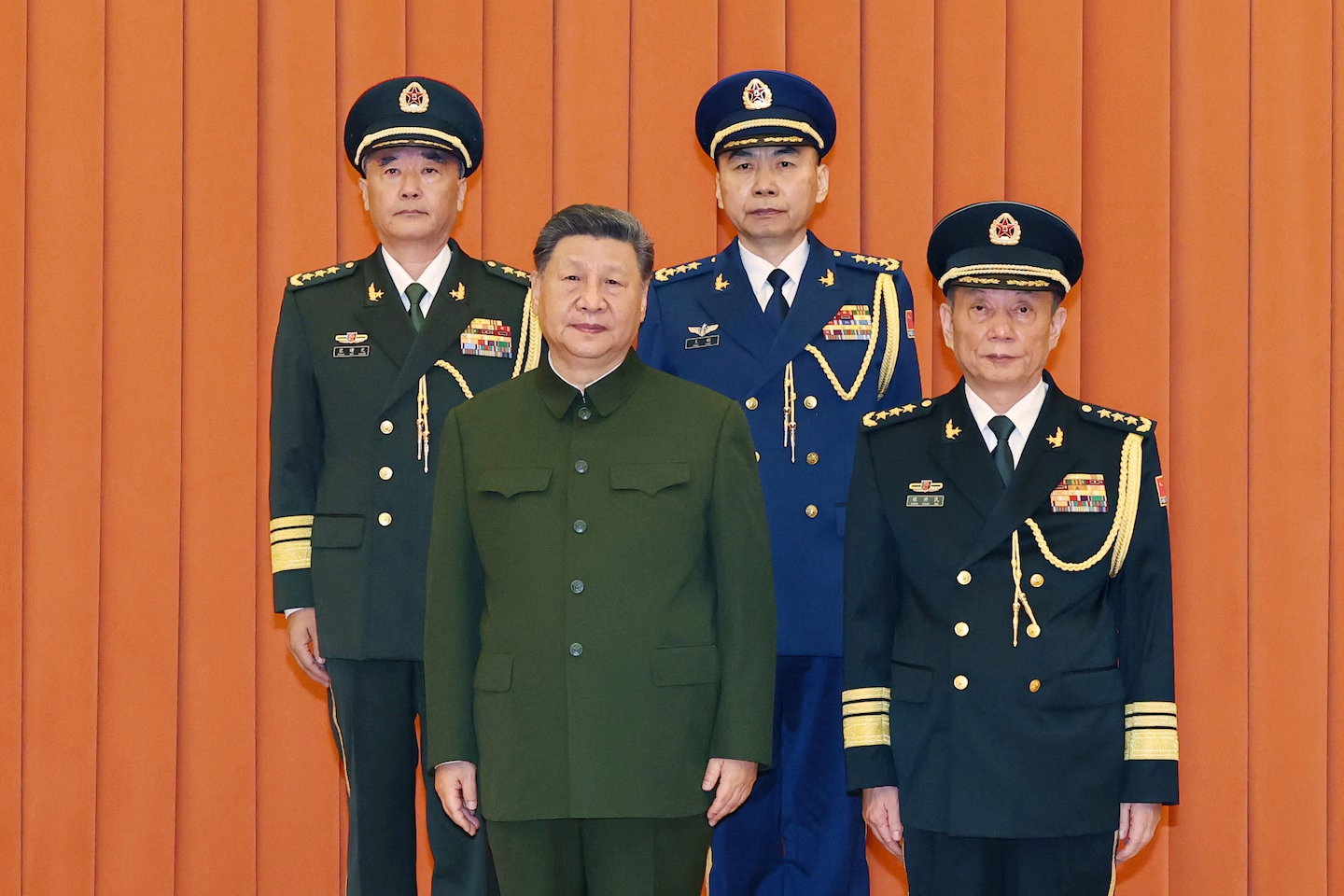
Autocrats, populists, friends and foes, a strongman waging a war in Europe and the leader of the world’s biggest democracy will all be hosted by Chinese leader Xi Jinping this weekend at a summit designed to showcase Beijing as a global leader capable of providing a counterweight to Western institutions.
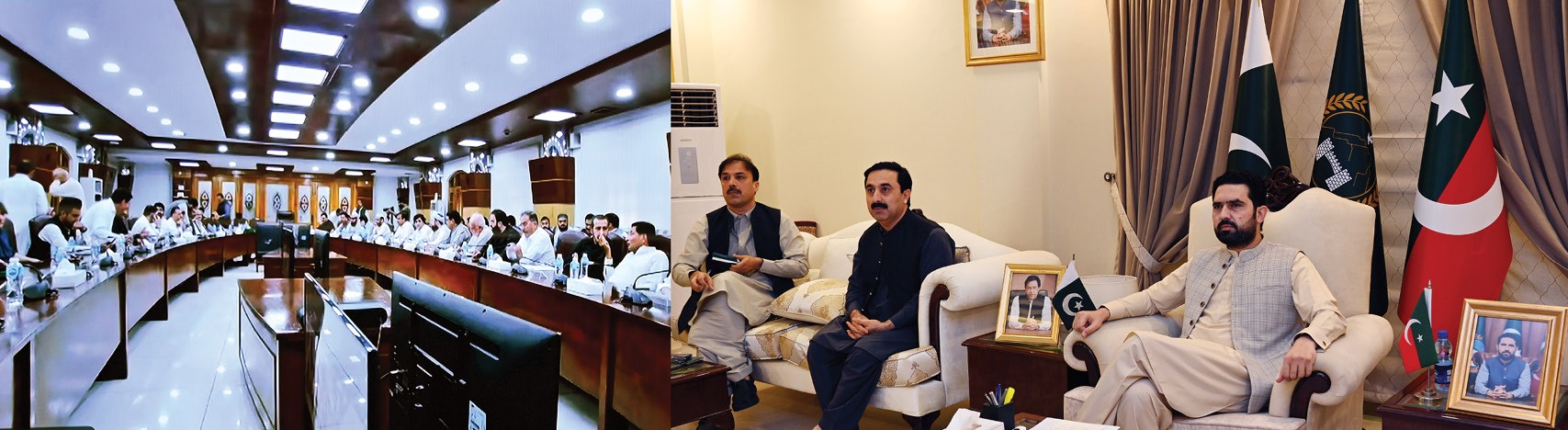
Heads of state and delegations from across Asia and the Middle East will meet from Sunday in the Chinese port city of Tianjin for the two-day summit of the Shanghai Cooperation Organization (SCO), a regional security grouping that has emerged as a cornerstone of Xi and Russian President Vladimir Putin’s drive to rebalance global power in their favor.
Chinese officials have billed the summit as the SCO’s largest yet, with the diplomacy and pageantry setting the stage for Xi to tout his country as a stable and powerful alternative leader at a time when the world’s leading superpower the United States under President Donald Trump is shaking up its alliances and waging a global trade war.
The gathering also comes days ahead of a major military parade in Beijing that will offer a different message – that of China’s rapidly developing military might, and draw autocrats like North Korea’s Kim Jong Un and Myanmar’s Min Aung Hlaing alongside Putin and Russia-friendly European leaders Aleksandar Vucic of Serbia and Slovakia’s Robert Fico.
The summit also gifts Russia’s Putin some international spotlight, just two weeks after his Alaska summit with Trump, and as he continues to ignore international pressure to end his onslaught in Ukraine. Earlier this week Russia’s forces carried out the second-biggest aerial attack since its full-scale invasion of its neighbor.
Ahead of his arrival Putin praised the China-Russia partnership as a “stabilizing force” for the world. In a written interview for Chinese state news agency Xinhua, he said they were “united in our vision of building a just, multipolar world order” – an allusion to the two countries’ efforts to revise what they see as a US-led world order unfairly stacked against them.
SCO members – which include China, Russia, India, Iran, Pakistan, Belarus, Kazakhstan, Kyrgyzstan, Tajikistan, and Uzbekistan – preside over vast swaths of global energy reserves and govern some 40% of the global population.
‘Architect and host’
The guests at the summit have national rivalries between them and vast differences in political systems. And while this has sparked criticism of the group as too disparate to be effective, it also may serve to underscore Xi’s message.
“Beijing wants to signal that China is the indispensable convener in Eurasia, capable of seating rivals at the same table and translating great-power competition into managed interdependence,” said Rabia Akhtar, director of the Centre for Security, Strategy and Policy Research at the University of Lahore in Pakistan.
“The optics are straightforward: China is not just a participant in regional order-making – it is a primary architect and host.”
Modi’s attendance at the gathering also adds heft to Xi’s guest list. The Indian prime minister skipped last year’s summit in Kazakhstan. He now arrives in Tianjin against a backdrop of souring relations with Washington – and as Beijing and New Delhi have moved to ease their own frictions, a nascent realignment that could imperil US efforts to cultivate India as a counterweight against a rising China.
Delegations are also expected from the SCO’s 16 official partner and observer countries, which include Cambodia, Egypt, Saudi Arabia, the United Arab Emirates, Bahrain, Qatar, and Kuwait, as well as NATO member Turkey, among others, Chinese officials said ahead of the gathering.
Beijing additionally invited a handful of Southeast Asian leaders. UN Secretary General Antonio Guterres is also expected to attend.
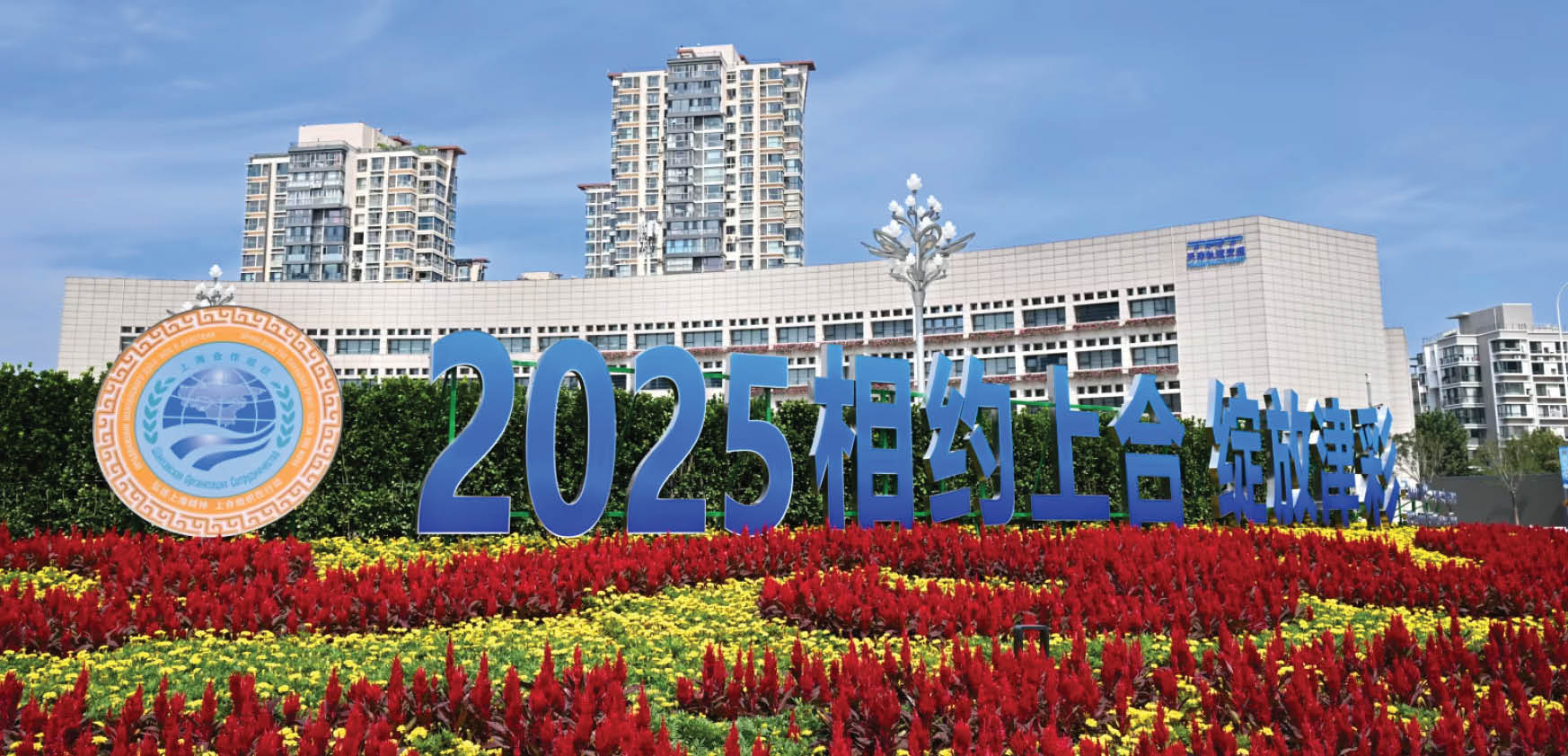
Across the city of Tianjin, banners in English, Russian and Chinese heralding the gathering lined highways. Officials heavily restricted traffic in the city center as Chinese leaders prepare to welcome their guests with the ceremony and pomp typical of Chinese diplomacy at the highest level.
The location has pointed symbolism for China, as a port that was forced open by colonial powers in the 19th century, with those from Europe and Imperial Japan receiving land concessions – and a key city occupied by Japan during World War II.
Some guests, including Putin, Iranian President Masoud Pezeshkian and Pakistani Prime Minister Shehbaz Sharif, are slated to stay for the military parade in Beijing, where the ruling Communist Party will show off its military might and play up its role fighting Imperial Japan as part of the Allied Forces in World War II as the globe marks 80 years since the end of that war.