The meeting reviewed ongoing measures to contain potential cholera cases in Khyber district and the spread of leishmaniasis in Bajaur
DLP Report
PESHAWAR
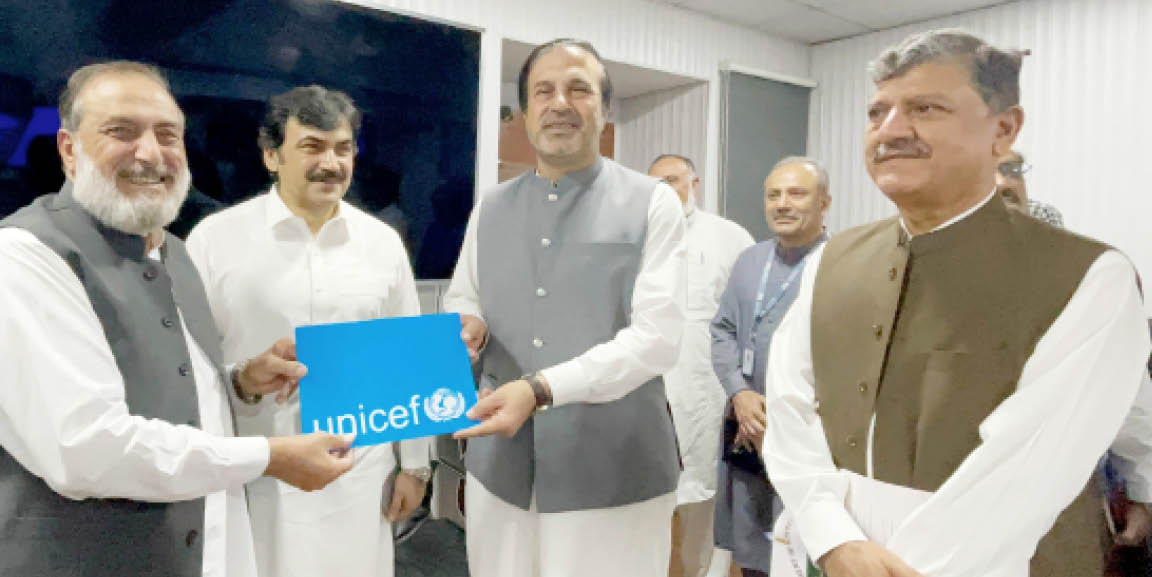
The fourth Health Sector Coordination meeting on flood relief response was held under the chairmanship of Health Advisor Ihtesham Ali. The session brought together key stakeholders including Health Secretary Shahidullah, Director General Health Dr. Shahid Younas, officials from the Health Department, representatives from the World Health Organization (WHO), UNICEF, and various donor and partner organizations.
The primary objective of the meeting was to assess the performance of the health sector in flood-affected areas and to strengthen coordination between the Health Department and donor agencies. A comprehensive briefing was presented on the current flood response, post-flood health challenges, and the department’s operational capacity.
Special emphasis was placed on the outbreak of diseases following the floods, including dengue, malaria, skin infections, and cholera. The Health Advisor directed the DG Health to sign Memorandums of Understanding (MoUs) with any partner or donor organization to facilitate effective relief operations.
Participants were informed that eleven districts across Khyber Pakhtunkhwa have been affected by the floods, with Buner district suffering the most damage. It was revealed that 28 homes of Lady Health Workers were completely destroyed, while 40 others sustained partial damage.
Advisor Ihtesham Ali stressed the importance of transparency in data sharing, stating, “There is no need to hide any data. Without understanding the reality, we cannot take the right steps.” He assured donor agencies that any issues could be directly addressed through his or the Health Secretary’s office. He also commended the efforts of health professionals, saying, “Our doctors delivered exceptionally during emergencies, made timely decisions, and carried out their duties independently.”
Health Secretary Shahidullah expressed gratitude to donor and partner organizations for their continued support. He assured that the Health Department would provide all necessary facilitation and would not burden partners with bureaucratic hurdles.
He highlighted the emerging health burdens post-flood, including waterborne and vector-borne diseases, maternal and child health (MNCH) concerns, and mental health challenges, emphasizing the need for preparedness. The meeting also reviewed ongoing measures to contain potential cholera cases in Khyber district and the spread of leishmaniasis in Bajaur.