At the UN this week, Pakistan’s envoy Asim Iftikhar warned the Security Council that terrorism emanating from Afghan soil poses the “gravest threat” to Pakistan’s security and sovereignty. He underscored that militant groups continue to operate with impunity across the border, harming civilian and security targets within Pakistan and undermining regional peace. Islamabad’s appeal reflects deep frustration with a security challenge that has grown sharper since the Taliban returned to power in Kabul in 2021.
Nearly 1,200 Pakistani lives were lost this year alone to attacks planned from Afghanistan. An independent think-tank counted about 1,600 deaths in 2024, mostly in Khyber Pakhtunkhwa and Balochistan. The bulk of this violence can be traced to the Tehreek-i-Taliban Pakistan (TTP) and Baloch insurgents, enjoying sanctuaries just across the border. Indeed, a UN report notes the TTP is the largest terror group in Afghanistan, with some six thousand fighters operating freely.
Yet the Afghan Taliban flatly reject Islamabad’s charges. Kabul maintains that it will not allow any group to use Afghan territory to threaten neighbours and that security is its own responsibility. Taliban spokesmen have characterised such claims as unfounded or overstated, emphasising that militant issues are primarily Pakistan’s internal concern. But wishes are not horses, and hollow words cannot make do for a concrete line of action. This stand-off–militants blamed as guests by one government, terrorists by the other–has yet to find a solution.
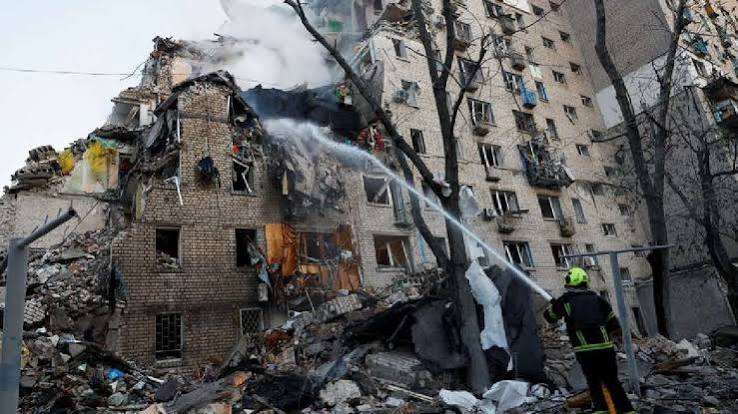
The human toll is brutal: roughly 400 security personnel have died in militant attacks in 2024 alone. In many northern and western villages, families live under curfew and fear. Angry voices in Pakistan demand all necessary defensive measures to block any threat. Still, military reprisals can provoke fierce backlash, as seen by recent Afghan artillery clashes that have killed dozens of civilians on both sides.
Meanwhile, the crisis deepens by the day. Pakistan often reminds the world that it has hosted millions of Afghan refugees in an unprecedented contribution to regional stability and humanitarian responsibility. But growing security concerns have prompted tighter regulations and ordered returns for those without valid documents. International human-rights bodies have cautioned against mass deportations, stressing protection obligations and the risk of forcing vulnerable people back into precarious conditions in Afghanistan.
This multifaceted crisis demands neither blame-games nor simplistic solutions. Pakistan would have to strengthen its legal and policy toolbox; tightening vetting of migrants and online hate, and ensuring provincial police get needed resources. At the same time, renewed engagement with Kabul, supported by international mediators, must prioritise verifiable actions against militant sanctuaries rather than unproductive rhetoric.
Security and stability along the Afghan-Pakistan frontier are intertwined. Islamabad’s concerns are real and rooted in repeated attacks that have cost precious lives. Nevertheless, long-term progress depends on a balanced approach that combines firm defence measures with strategic diplomacy and protection of fundamental human rights.