PM unveils nationwide AI push covering education, research, skills and key economic sectors
ISLAMABAD
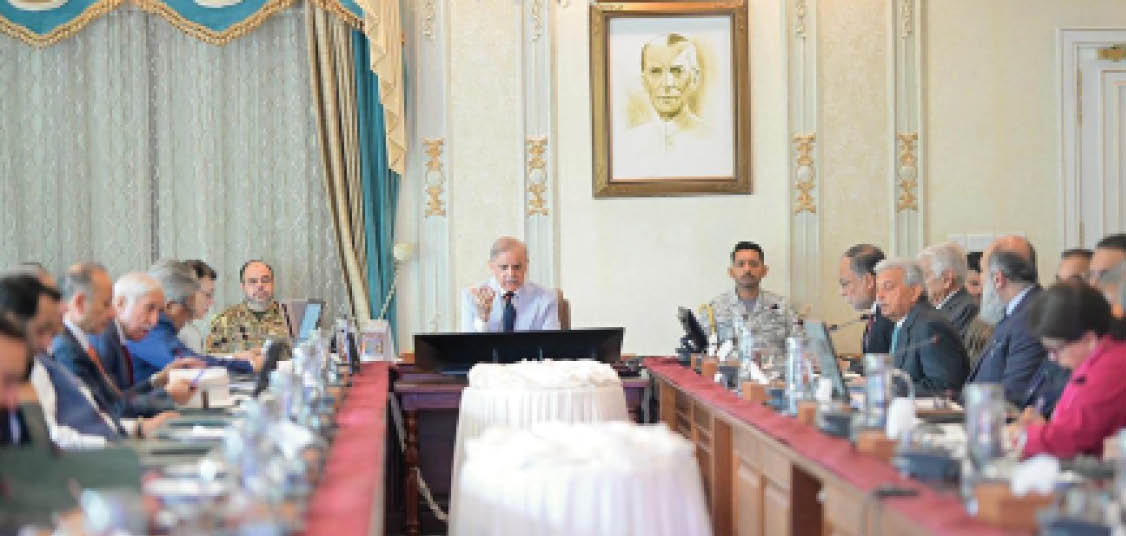
Prime Minister Shehbaz Sharif on Monday announced that Pakistan will invest $1 billion in artificial intelligence by 2030 to build a national AI ecosystem, declaring the country fully prepared to join the world in the next wave of technological transformation.
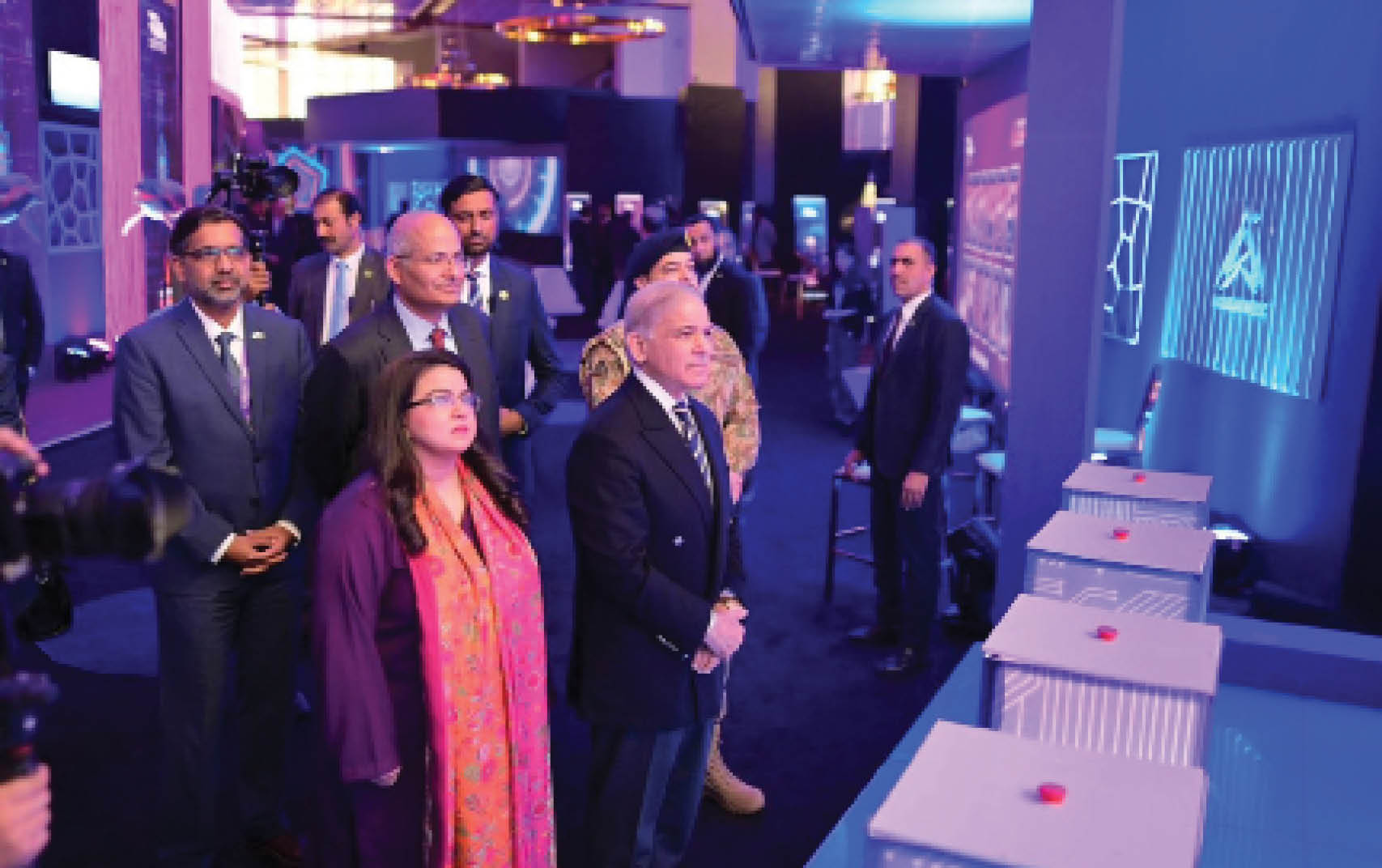
The prime minister made these remarks while addressing the inauguration ceremony of Indus AI Week 2026, attended by federal ministers, delegations from countries including Saudi Arabia and Turkiye and others.
“The Government of Pakistan is committed to investing $1 billion in AI by 2030, which will go a long way in building an AI ecosystem in our country,” he announced.
Furthermore, he said that an AI curriculum would be introduced in all federally run schools as well as in educational institutions across Azad Jammu and Kashmir, Gilgit-Baltistan and remote parts of Balochistan to prepare young people for leadership roles in the digital economy.
He also announced that 1,000 fully funded PhD scholarships in artificial intelligence would be awarded to students from across the country by 2030 to develop world-class research capacity and fully equipped national research centres.
PM Shehbaz also said a nationwide programme would be launched to train one million non-IT professionals in AI skills, enabling them to improve productivity and livelihoods.
Highlighting sectoral priorities, Shehbaz said the main focus of AI deployment would be agriculture, mines and minerals, and youth empowerment. He said Pakistan’s population stands at around 240 million, and nearly 60% comprises young people who must be equipped with modern knowledge and techniques.
The prime minister said the gathering marked a turning point for Pakistan’s technological future and would prove to be a “game changer” through close collaboration with partner nations.
Recalling past reforms, the premier said that under the leadership of former prime minister Nawaz Sharif, successive initiatives were undertaken to align Pakistan with modern requirements and challenges, particularly during his tenure as chief minister of Punjab, with a focus on education, health, revenue reforms and youth empowerment.
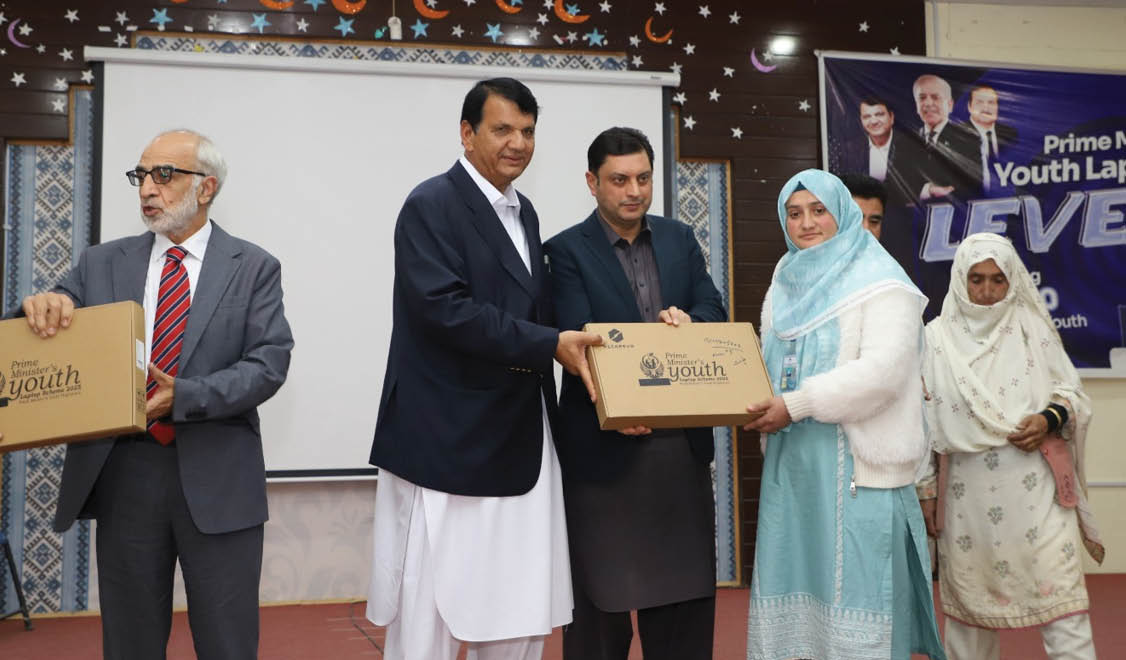
He said that from 2010 onward, a large-scale laptop distribution programme was launched for high-achieving students in schools and colleges in Punjab, under which at least half a million laptops were provided during his time in the province as well as during the federal government led by Nawaz Sharif.
The prime minister said that e-libraries were introduced in schools, including in remote areas of Punjab — an initiative that was previously unimaginable. He added that e-stamp papers were introduced to curb collusion and revenue leakage, while the Punjab Land Digitisation Plan, implemented in partnership with the World Bank, eliminated manipulation of land records and corruption by revenue officials. He further noted that Pakistan’s first Safe City project was established in Lahore and that the country’s first IT university was also set up in the same city, alongside several other technology-focused interventions.
PM Shehbaz said that, learning from past experiences, Pakistan is now ready to move decisively into artificial intelligence and formally announced a set of nationwide measures.