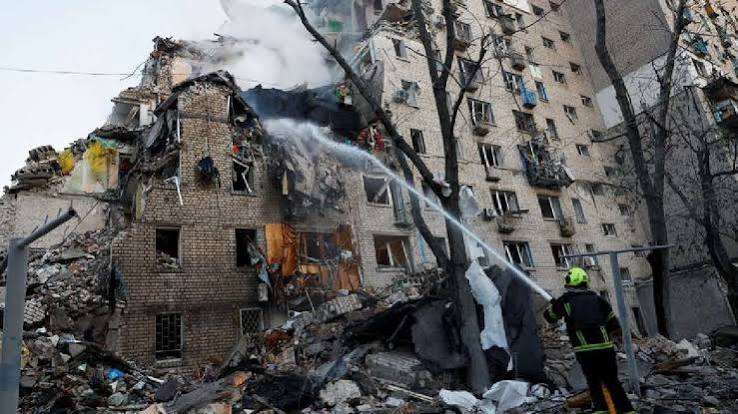
The suicide bombing in Bhakkar, which martyred two policemen and wounded five others, is not just another entry in a bleak ledger. Etched in blood, it is a warning about how far the insurgency’s reach has stretched, from the northwest’s familiar fault lines into Punjab’s arteries.
On the same day in Kohat, militants ambushed a police patrol, killed five officers, set the vehicle on fire, and two civilians later died of their injuries. The TTP has claimed both attacks.
This matters because it exposes a national security truth that Pakistan’s urban commentariat keeps diluting for comfort: the frontline is no longer a cartographic idea confined to the border belt.
Like it or not, it is a moving seam that follows roads, checkposts, ambulances, vaccinators, and routine patrols. A state that absorbs this shock as yet another incident or the latest in the string of attacks will keep feeding small gaps to suicide bombers who only need one opening, once.
The country has already witnessed that logic rip through Bajaur, where a vehicle-borne suicide attack at a checkpoint killed 11 security personnel and a child on February 16, 2026, and through Bannu, where a lieutenant colonel and a sepoy were martyred in a suicide attack during an intelligence-based operation on February 21.
In the light of all this, the state’s calibrated response (intelligence-based, selective airstrikes on militant camps and hideouts across the Afghan border) was neither reckless nor gratuitous but a predictable action in the face of an expanding insurgent threat that has driven national alerts and arrests of dozens of suspects amid warnings of retaliatory violence beyond the northwest into Punjab and Sindh.
Kabul continue to deny its provision of sanctuary and condemns these strikes as violations of its sovereignty. Therefore, those at the helm of the affairs would do well to argue their case with evidence, precision, and disciplined targeting rather than slogans and buzzwords.
At the end of the day, Pakistan’s security forces are not merely defending territory. They are defending the social order from those who would destroy it, and this requires arming them with modern equipment, robust intelligence coordination and a legal framework that empowers decisive action within the rule of law.
A warrior standing firm against a bomber in the street preserves the very freedoms that make their way to social media frenzy, because when the state secures the space around its citizens, it also secures the environment in which rights can be exercised, not hollowly invoked from a distance.
Bhakkar has already answered the debate, showing Pakistan still stands between the comfort of sanitised commentary and the uncompromising insurgency, where every hesitation in policy or public perception hands another day of mayhem to those who have already shown they can reach deep inside our towns and cities, dragging the war into the rhythms of daily life.