DLP Report
PESHAWAR
The Khyber Pakhtunkhwa government has reduced the monthly fuel quota for official vehicles by 25 per cent in view of the current regional situation and possible pressure on foreign exchange reserves.
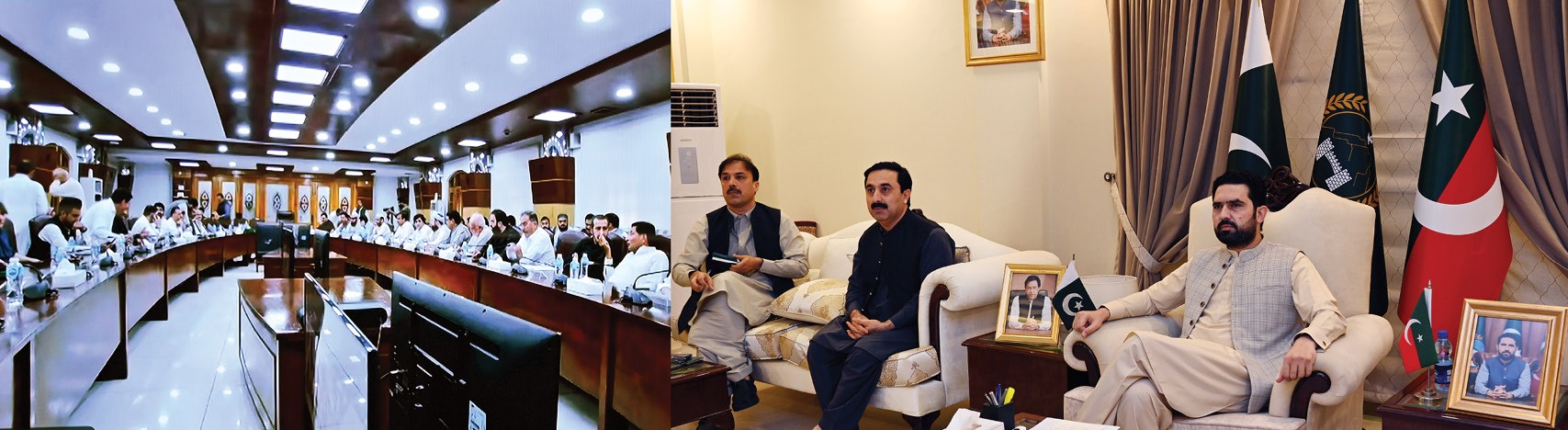
According to a letter issued by the Administration Department’s Transport Wing, the decision was taken at a provincial cabinet meeting held on March 9.
The document stated that the step was aimed at addressing the situation affecting the supply of petroleum products and easing the burden on foreign exchange reserves.
Under the new policy, the existing quota, which had already been reduced by 35pc in March 2022, has been cut by a further 25pc. Revised monthly fuel quotas have been set for officials according to their grades and responsibilities.
The letter said the monthly quota for provincial ministers, advisers and parliamentary secretaries had been reduced from 390 litres to 292 litres.
Similarly, the quota for the chief secretary, additional chief secretaries and the finance secretary has been reduced from 146 litres to 110 litres.
The quota for administrative secretaries, commissioners and deputy inspectors general of police has been cut from 130 litres to 98 litres.
The monthly fuel allocation for Grade-20 and above officials, including the chairman of the Public Service Commission and the Service Tribunal, has been reduced from 98 litres to 74 litres.
Under the revised policy, deputy commissioners, additional deputy commissioners, superintendents of police and heads of departments will now receive 104 litres per month.
The quota for sub-divisional police officers and traffic police has been fixed at 260 litres and 195 litres respectively, while police stations will receive 351 litres per month.
For Khyber Pakhtunkhwa House in Islamabad, a total of 535 litres has been allocated for four protocol vehicles at the rate of 134 litres per vehicle. For other KP Houses, the monthly quota has been reduced from 75 litres to 57 litres per vehicle.
The letter directed authorities to ensure strict implementation of the revised quotas and informed all relevant departments, including the accountant general, director general audit and principal secretaries.