The Sinking Delta
Kamran Khamiso Khowaja
SUJAWAL
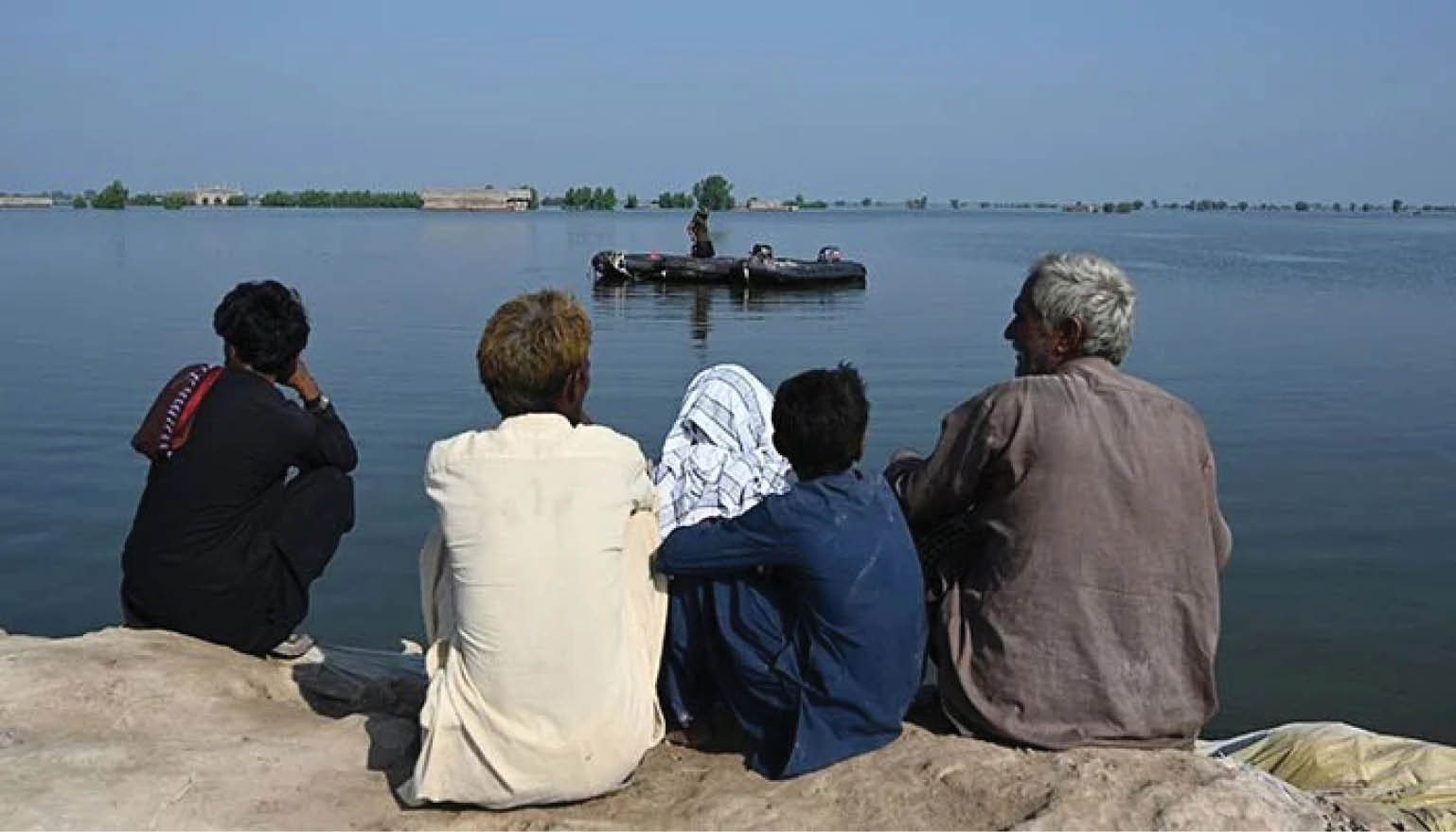
Marking the International Day of Action for Rivers, environmentalists and activists have once again drawn attention to the alarming threats facing the Indus Delta, where sea intrusion and the rapid disappearance of mangrove forests are putting the region’s ecology and coastal communities at serious risk.
Observed annually on March 14, the International Day of Action for Rivers highlights the vital importance of rivers as a source of life and survival. Many countries have taken significant steps to protect their rivers. For instance, New Zealand granted legal personhood to the Whanganui River in 2017 through legislation passed by its parliament, recognizing the river as a living entity with rights. Meanwhile, China has also adopted measures aimed at safeguarding its river systems.
In contrast, experts say Pakistan has yet to take adequate measures to protect its rivers—particularly the Indus River, the country’s longest and most significant waterway. Environmentalists warn that declining freshwater flows into the delta are accelerating ecological degradation and exposing coastal areas to the advancing sea.
The Indus Delta, where the freshwater of the Indus River meets the Arabian Sea, stretches along approximately 250 kilometers of coastline. During the 1950s and 1960s, the delta was known for its fertile lands and thriving agriculture. However, reduced river flows over the decades have led to the destruction of vast tracts of agricultural land.
The once unique delta system—consisting of 17 creeks—now faces multiple environmental threats, with sea intrusion considered the most severe. Residents of coastal districts fear that if sufficient freshwater is not released downstream of the Kotri Barrage, seawater could move further inland, potentially reaching areas as far as Kotri and Hyderabad.
The coastal belt of District Sujawal, particularly covering a large part of Taluka Jati and Shah Bunder, has been facing severe destruction due to the continuous intrusion of seawater. This devastation is largely attributed to the non-release of adequate freshwater downstream of the Kotri Barrage.
According to Wafa Ali Shah, Haji Zahid Ishague, Umer Khaskeli, and Advocate Faisal Farooque Tamimi, the Jati region was once well known for cultivating high-value crops such as red rice, sugarcane, and turmeric. However, drastic changes in weather patterns and the persistent scarcity of freshwater have severely damaged agricultural productivity, depriving local farmers of the capacity to grow these profitable crops.
The sea has also evaded historical sites and structures of Jati Taluka during the past two decades with no measures taken by the authorities for their preservation.
According to environmental observers, the sea has already swallowed approximately 2.6 million acres of land in the delta region, particularly around Shahbandar in Thatta District. If coastal erosion continues at the current pace, experts warn that Shahbandar could disappear by 2035, while seawater may reach Thatta city by 2050.
Another critical concern is the rapid decline of mangrove forests along the delta’s coastline. Mangroves play a crucial ecological role by absorbing saltwater, stabilizing coastal soil, and supporting diverse marine life. These forests provide habitat for fish, shrimp, reptiles, mammals, and countless microorganisms, while also serving as a major source of livelihood for local fishing communities.
However, the excessive cutting and utilization of mangrove wood by local communities have led to a sharp decline in mangrove coverage. Conservation efforts by organizations such as World Wide Fund for Nature (WWF) have attempted to restore and protect mangrove ecosystems, but environmentalists say the decline has not yet been effectively reversed.
Over the past two weeks, various awareness events have been organized across Sindh to highlight the deteriorating condition of the Indus River and its delta. Environmentalists, social activists, and irrigation experts participating in these events have called for granting legal personhood rights to the Indus River, inspired by international precedents, to ensure stronger legal protection for the river and its delta.
Experts warn that without urgent policy measures—such as restoring environmental flows downstream of Kotri Barrage and protecting mangrove forests—the Indus Delta could face irreversible ecological damage, threatening the survival of coastal communities and one of South Asia’s most significant river ecosystems.