UNITED NATIONS
Restrictions on girls’ education and women’s employment in Afghanistan could leave the country with a deficit of over 25,000 female teachers and health workers by 2030, the UN Children’s Fund (UNICEF) warned on Tuesday.
The agency said the crisis is already depriving children of learning and healthcare, while also weakening Afghanistan’s economy and the essential services that depend on trained women professionals. A new UNICEF analysis, The Cost of Inaction on Girls’ Education and Women’s Labour Force Participation in Afghanistan, found that female representation in the civil service fell from 21 per cent to 17.7 per cent between 2023 and 2025.
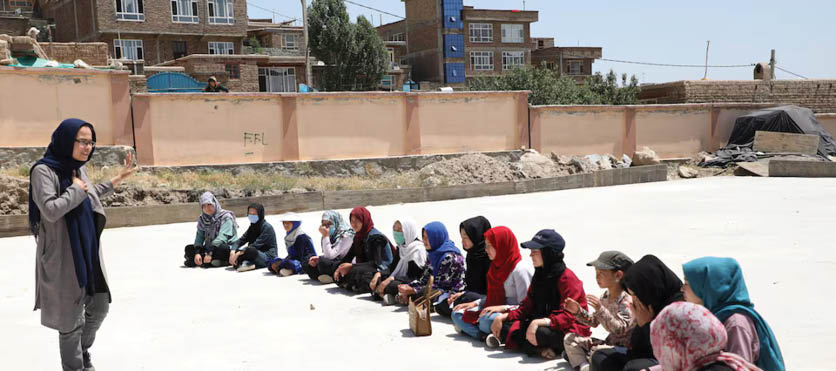
More than one million girls have been denied their right to learn since Taliban authorities banned girls from secondary education in September 2021. If that remains in place until 2030, more than two million girls will have been deprived of education beyond primary school in a country that already has one of the lowest female literacy rates in the world.
“Afghanistan cannot afford to lose future teachers, nurses, doctors, midwives and social workers, who sustain essential services. This will be the reality if girls continue to be excluded from education,” said UNICEF Executive Director Catherine Russell. “We urge the de facto authorities to lift the ban on secondary education for girls and call on the international community to remain committed to supporting girls’ rights to learn.”