Tehran threatens response if US resumes attacks; Trump to hear military options on Iran
TEHRAN
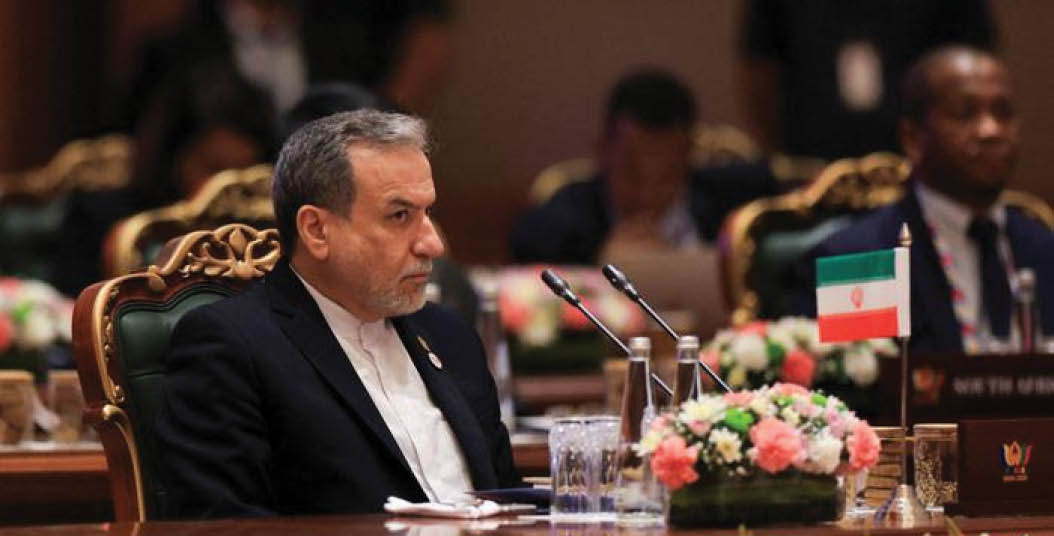
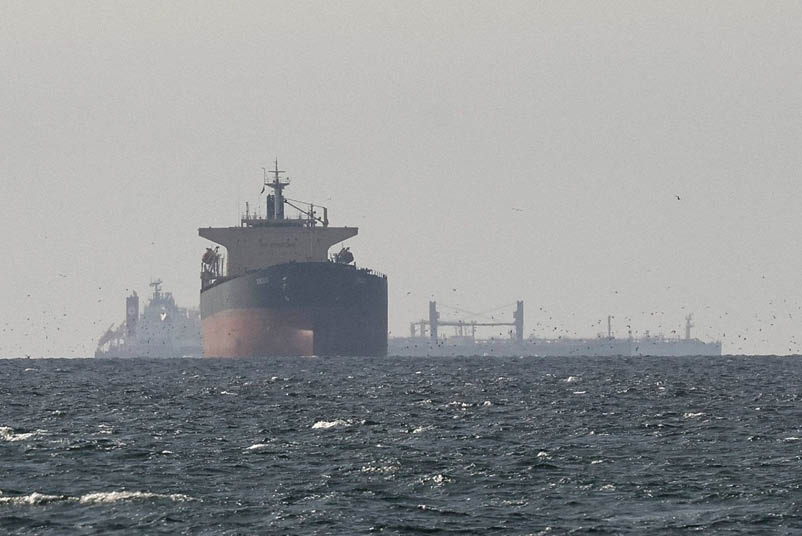
Iran’s Supreme Leader on Strait of HormuzIran’s Supreme Leader Ayatollah Mojtaba Khamenei stated that Iran will move the management of the Strait of Hormuz into a “new phase.” He indicated this shift “will bring calm” to the strategic waterway, which carries about one-fifth of global oil trade. The comments come amid a fragile post-conflict period following the recent US-Israel-Iran war and a ceasefire/truce.
This follows earlier statements from Khamenei (in March 2026) where he described the closure or restriction of the Strait as a key “lever” to pressure adversaries. The latest remarks signal a strategic adjustment in how Tehran handles the chokepoint rather than an immediate reopening or full escalation.
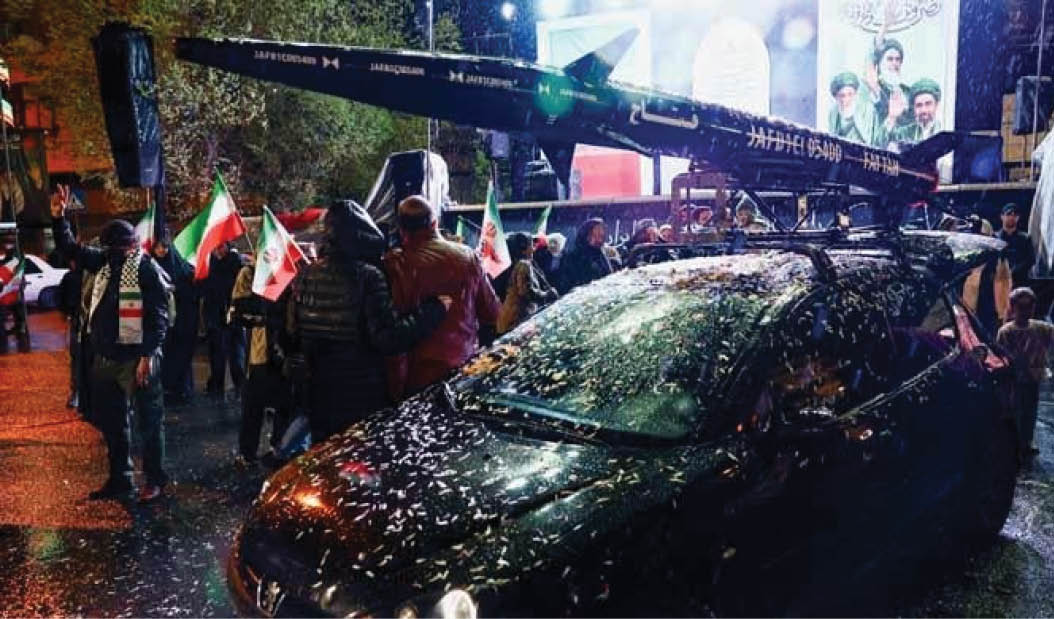
Iran Dismisses GCC AllegationsIran has rejected accusations from Gulf Cooperation Council (GCC) countries regarding its retaliatory strikes during the recent conflict, calling them “groundless.” Tehran dismissed the claims as baseless and politically motivated. This comes after GCC states condemned Iranian attacks and expressed concerns over regional stability.
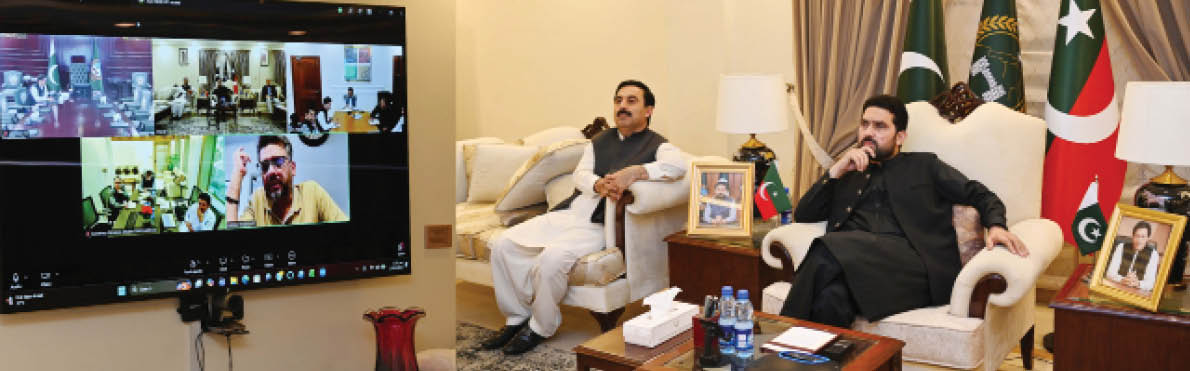
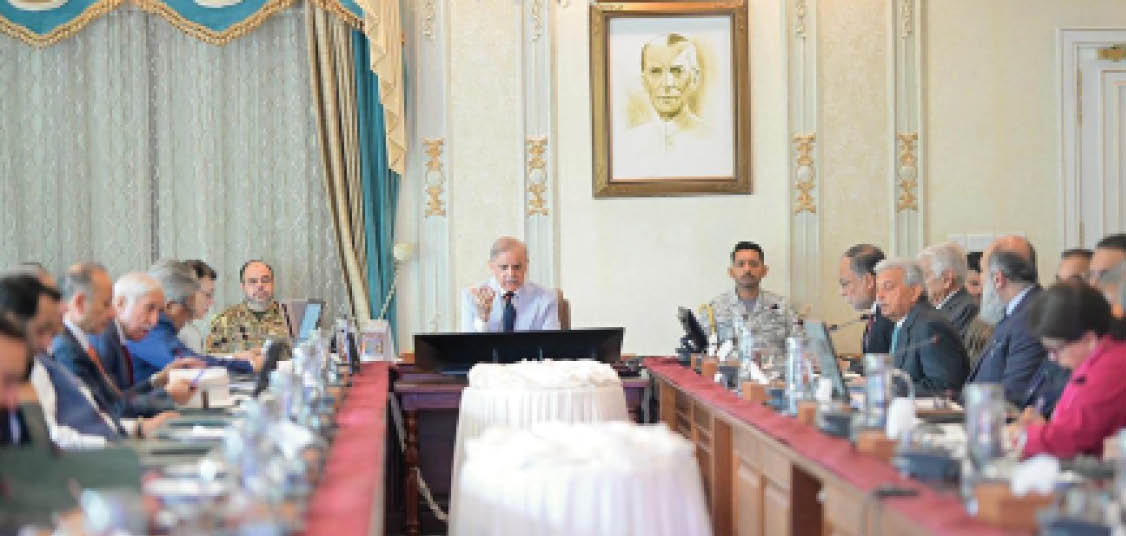
Pakistan’s Deputy Prime Minister and Foreign Minister Ishaq Dar held discussions with EU foreign policy chief Kaja Kallas on the regional situation. The two emphasized the need for continued dialogue and diplomacy to stabilize the Middle East and address the fallout from the US-Iran conflict. Dar appreciated ongoing coordination with the EU on these issues.
According to Bloomberg, the US Central Command has requested deployment of the Army’s Dark Eagle hypersonic missile system to the Middle East for potential use against Iran. The long-range weapon is being considered to target Iranian ballistic missile launchers that have been moved deeper inland or out of range of existing US systems. If approved, this would mark the first operational deployment of the US hypersonic missile, which has faced development delays.
ContextThese developments reflect ongoing tensions in the Persian Gulf even after active hostilities appear to have de-escalated into a tense ceasefire. Key issues remain: control and access to the Strait of Hormuz, accountability for strikes during the war, and efforts by regional and international actors (including Pakistan and the EU) to prevent renewed escalation.