Punjab and Sindh governments had failed to procure wheat in line with their targets
DLP Report
PESHAWAR
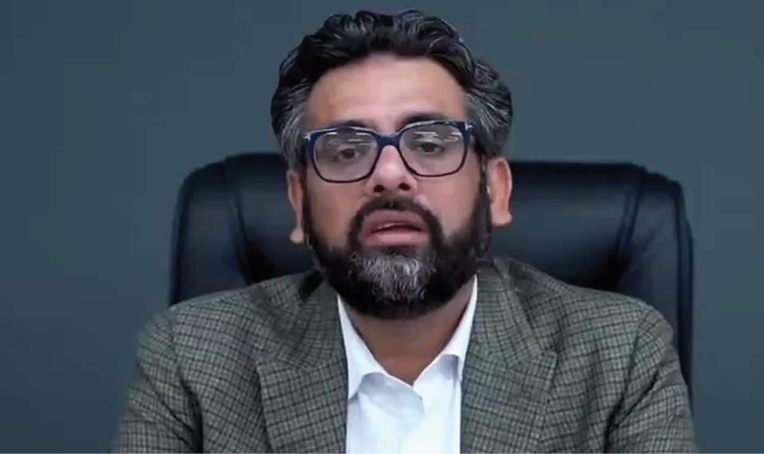
Khyber Pakhtunkhwa Finance Adviser Muzammil Aslam on Tuesday alleged that the country’s wheat and flour crisis had become more severe than the fuel crisis, accusing the federal government of concealing facts about dwindling wheat stocks and failing to address rising food inflation.
Speaking about the worsening prices of essential commodities, Mr Aslam questioned how wheat stocks had disappeared within months of the harvesting season and called for an explanation of whether the production figures released by the federal and provincial governments were accurate.
He also questioned why the Punjab and Sindh governments had failed to procure wheat in line with their targets and asked who currently held the country’s wheat stocks.
The adviser criticised the Punjab government’s restrictions on the interprovincial movement of wheat, alleging that the measure violated Article 151 of the Constitution, which guarantees freedom of trade across provinces.
Citing inflation figures, Mr Aslam claimed that wheat prices had increased by 6.75 per cent in July alone and by 77pc over the past year. He further said tomato prices rose by 116pc during July, while vegetables became 22pc more expensive, potatoes 21.5pc, onions 20pc, chicken 19pc and eggs 14.3pc costlier.
According to Mr Aslam, the sharp increase in food prices was largely driven by a Rs70 per litre rise in diesel prices, which he said had pushed the fuel’s retail price to Rs392 per litre. He added that LPG prices had risen by 51pc, making cooking increasingly unaffordable for many households.
Questioning the federal government’s response, Mr Aslam asked whether it would be held accountable for inflation and the wheat crisis, saying the public deserved answers over the management of wheat supplies and soaring prices.
He also alleged that the federal government was spending billions of dollars on wheat imports, repeatedly approaching the International Monetary Fund (IMF) for financial assistance while imposing additional tax burdens on the public.