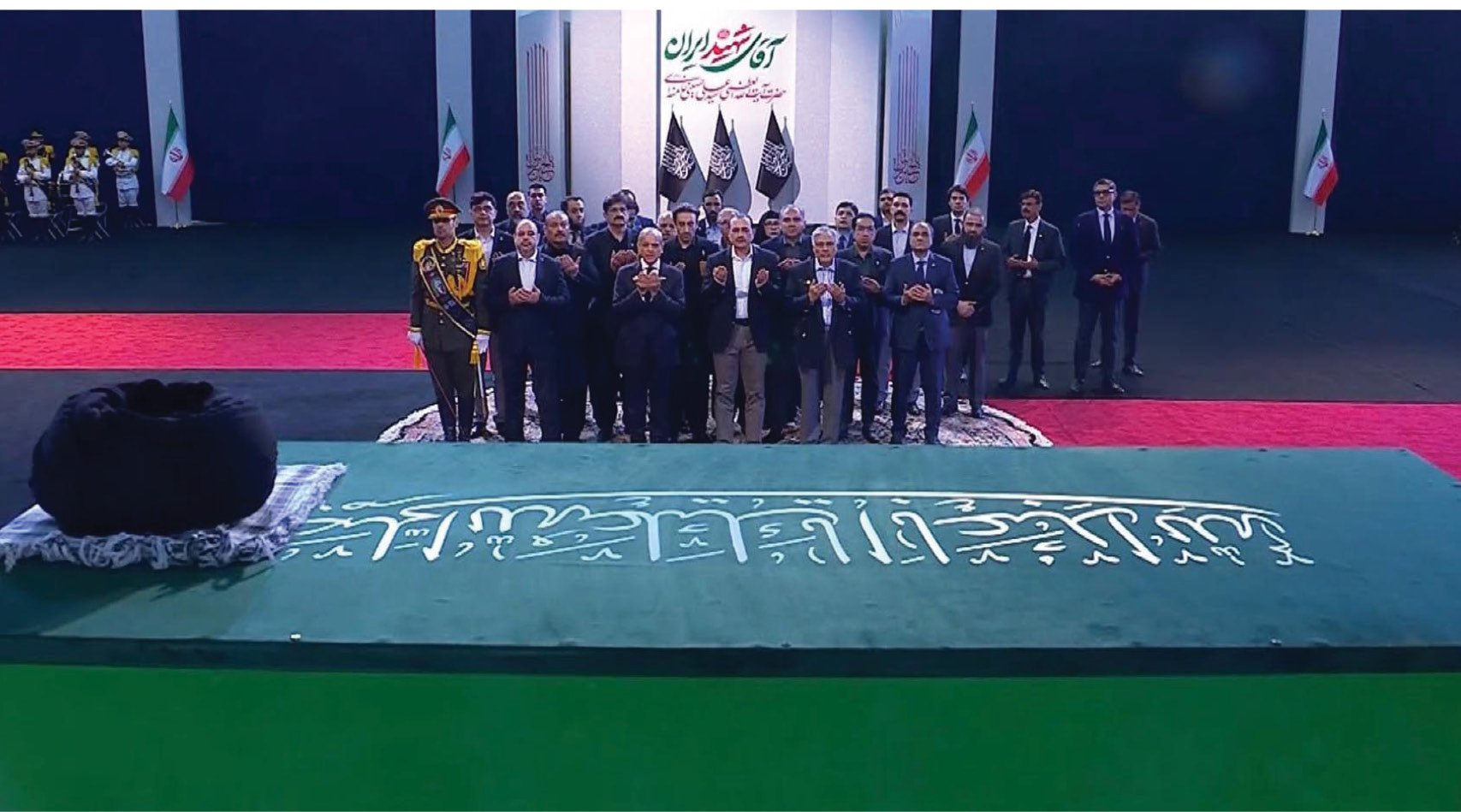
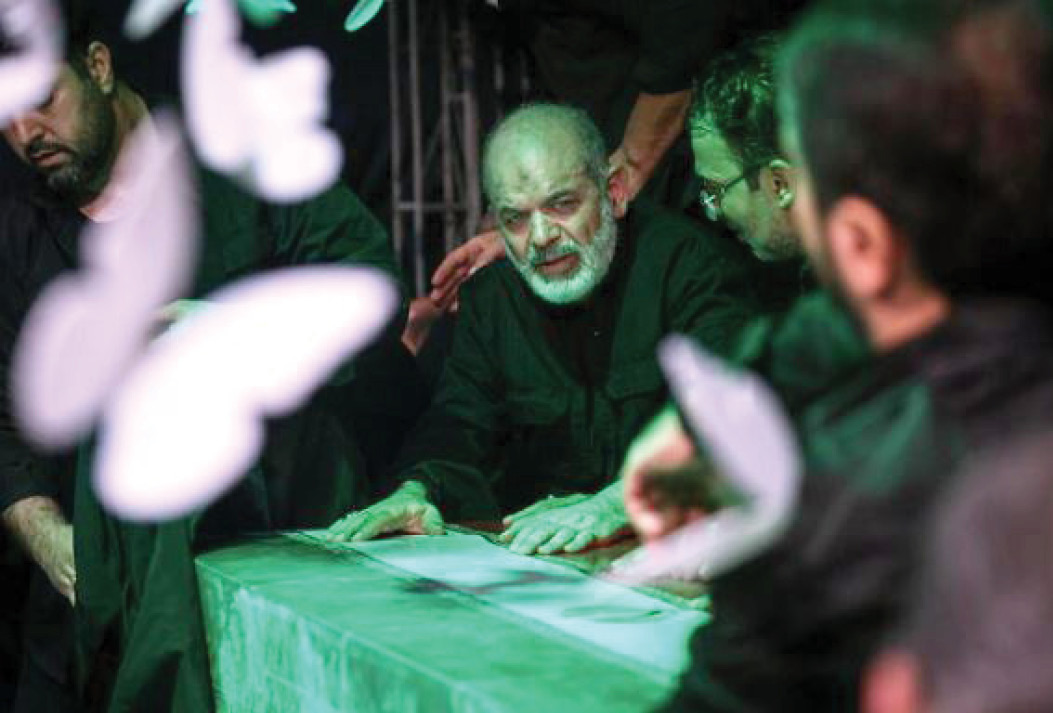
A few weeks into the conflict, it can be said that while the war is far from over, Iran appears to be holding the advantage. The loss of its charismatic leader, Ali Khamenei, was expected by many in Washington and Tel Aviv to fracture the Iranian state. Instead, it seems to have produced the opposite effect. His death has been framed domestically as martyrdom, rallying the country around the state and strengthening internal cohesion rather than weakening it.
Regime change, despite repeated decapitation strikes against Iran’s leadership and military infrastructure, now appears even more distant than it did before the war began. Rather than triggering instability, the attacks have hardened national sentiment.
More consequential are the material developments unfolding across the region. Iran has steadily targeted symbols and infrastructure associated with American power in the Middle East. The United States has struggled to defend many of these positions, and in doing so has suffered a blow to both credibility and operational effectiveness. Reports of continuing casualties among American personnel further underscore the cost of the conflict.
Equally significant is the situation in the Strait of Hormuz. Iran appears to have established effective control over the waterway, giving it unprecedented leverage over global energy flows. A country that once found itself under sweeping international sanctions now finds itself able, in practical terms, to impose its own sanctions on the Western world. Friendly states are allowed transit, while adversaries—most notably the United States and its allies—are barred shut under the threat of fire.
Meanwhile, the strains of the war appear increasingly visible within the United States itself. The resignation of Joe Kent, a senior American counter-terrorism official, has added to the turbulence. Kent claimed the war was launched primarily at the urging of Israel and its influential lobby in Washington rather than out of core American strategic interests. His departure has fuelled political controversy and left officials searching for explanations.
For Washington and Tel Aviv, the central problem now appears strategic rather than tactical. There is no clear off-ramp, no obvious definition of victory, and few escalation steps that do not risk catastrophic consequences. Short of nuclear confrontation, the path forward appears increasingly narrow and dangerous.