Bangladesh’s latest election has opened a decisive new chapter in its political history. The emphatic victory of the Bangladesh Nationalist Party marks the first genuine transfer of power in nearly two decades and reflects a strong public desire for stability after years of confrontation, economic strain and political fatigue. More importantly, the transition appears to have been broadly peaceful and competitive, signalling a return to democratic normalcy.
Thursday’s vote followed the 2024 student-led uprising that ended the long rule of Sheikh Hasina and ushered in an interim administration. With more than 120 million registered voters and a turnout of about 59 per cent, the election represented a generational shift in Bangladesh’s politics.
Tarique Rahman, the leader of the BNP, has received a sweeping yet challenging mandate as voters prioritised economic recovery, governance and institutional stability. They will not wait long to see the results.
Bangladesh’s macroeconomic outlook remains mixed: growth has slowed, inflation remains elevated, and public debt has risen above 40 per cent of GDP. However, the country continues to rank among the world’s fastest-growing economies. Its ready-made garment sector-accounting for roughly 80 per cent of exports and employing about five million workers, most of them women-will be central to restoring investor confidence and sustaining momentum.
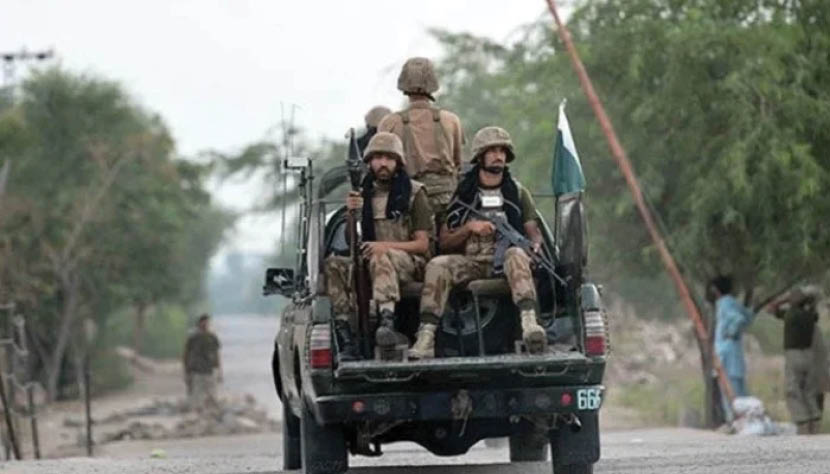
Bangladesh’s geopolitical importance has also grown. India, China and the United States all view Dhaka as pivotal to their regional strategies, given its location in the Bay of Bengal and its expanding economic and demographic weight. The new government has signalled it will pursue balanced relations, seeking investment and cooperation without over-dependence on any single partner. For Pakistan, this creates a timely opportunity to rebuild a relationship that has remained cautious for decades. Alongside political and economic engagement, defence diplomacy has emerged as a quiet but significant driver of rapprochement. Over the past two years, military exchanges between Pakistan and Bangladesh have increased markedly. Bangladesh’s participation in Pakistan’s multinational AMAN naval exercises and the resumption of military talks point to a gradual normalisation of security ties. Discussions have also explored collaboration in defence production and training, including the procurement of the JF-17 fighter aircraft.
The most practical foundation for a broader reset, however, remains economic cooperation. Despite their size and geographical closeness, Pakistan and Bangladesh have yet to realise even a fraction of their trade potential.
Expanding cooperation in textiles, pharmaceuticals, agriculture and services, improving connectivity and easing visas could deliver early gains. Climate resilience and disaster management offer additional avenues, given shared vulnerabilities.