Attracting Foreign Investment in Pakistan
Pakistan has faced significant challenges in attracting foreign direct investment (FDI) due to its historically unstable geo-political situation, including regional conflicts, security concerns, and economic volatility. These factors have often deterred international investors, who prioritize stable environments for their capital. Additionally, inconsistent policies and bureaucratic hurdles have further complicated efforts to draw foreign investments.
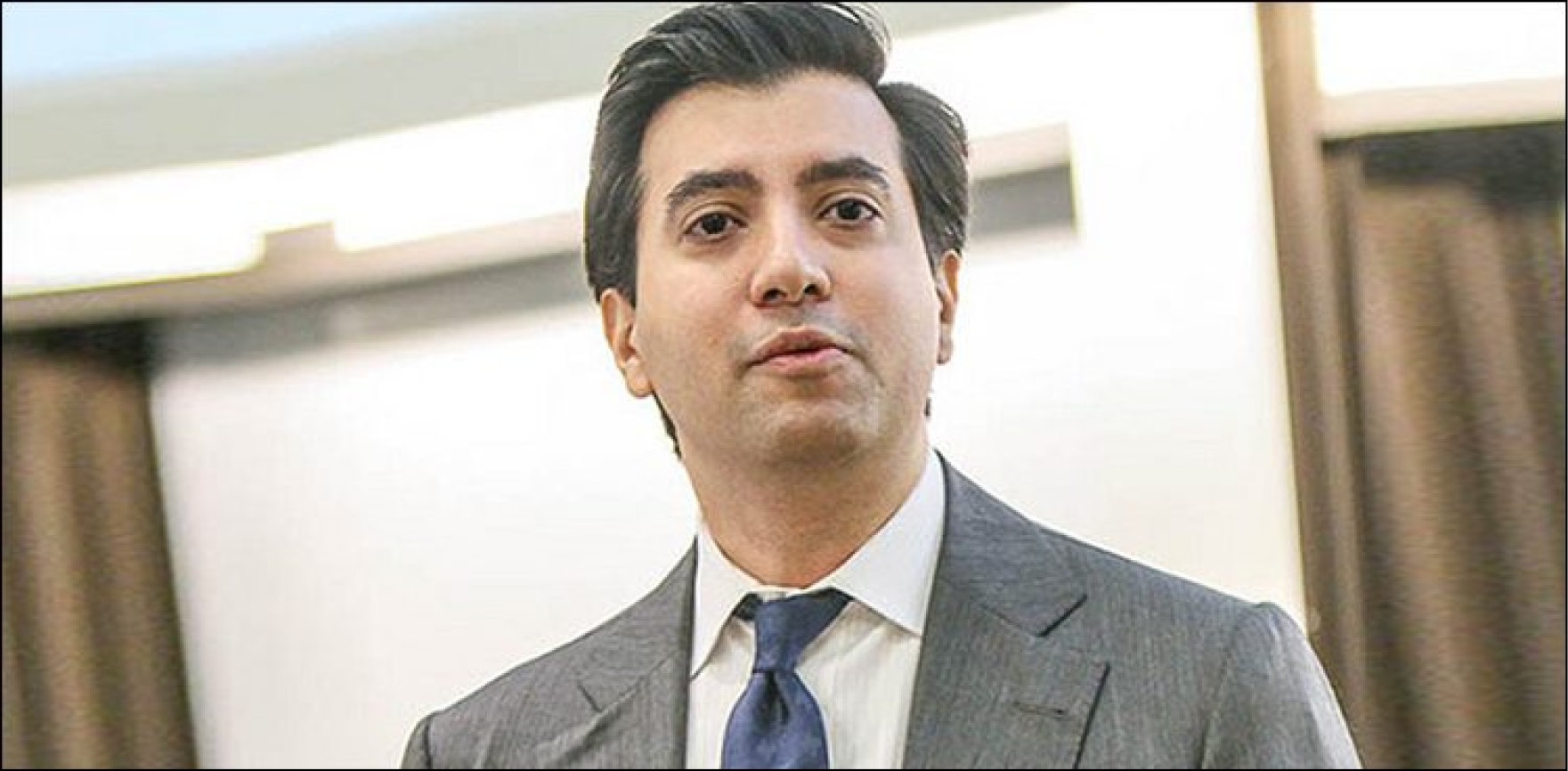
With an emphasis on achievable measures to draw in foreign investment, Ali Jahangir Siddiqui has been instrumental in strengthening Pakistan’s economic ties with global markets. His research demonstrates the possibility of boosting regional collaboration, promoting an atmosphere that is conducive to investment, and increasing cross-border trade.
This vision is in line with Pakistan’s overarching objective of achieving sustained economic growth through strategic alliances, especially with resource-rich countries like Central Asia.
Strengthening Trade and Economic Connectivity
Ali Jahangir Siddiqui has identified the country’s position as a strategic economic bridge for the central Asian countries. He noted that the geographical locational advantage of Pakistan could be fully utilized to bring the different regions together via trading. His work focuses on logistics and transport infrastructure development while noting the movement of goods between Pakistan and Central Asia, thereby building stronger regional trade ties.
In his speech at the World Economic Forum, Siddiqui stated that Pakistan should continue to develop and expand trade cooperation with countries like Turkey and Japan and the notion of investing in Pakistan’s IT sector. The association with some of these multinationals, like SAP, Siemens, and Coca-Cola, has led to certain agreements related to foreign investment in Pakistan that may act as a catalyst for the nation’s business environment.
Policy Reforms to Support Business
Ali observed that policy reform is required to channel the correct direction to Pakistan, which can make the country even more attractive to foreign investors. He has suggested a simplification of trade processes, reduction of tariffs on various goods, and centralization of customs clearances to reduce the degree of risk associated with business activities in Pakistan.
He also supported the notion that special economic zones should be built on highways to attract incentives from local and foreign investors. In these areas, exports are expected to grow; employment will be created, and once proper policies are in place, Pakistan is set to become a manufacturing-based economy.
Develop Strategic Partnerships
Ali Jahangir Siddiqui has further emphasized the strengthening of partnerships between Pakistan and Central Asian nations, particularly Kazakhstan, Uzbekistan, and Turkmenistan. He feels that bilateral agreements and joint ventures can offer much to the trade, technology transfer, and skill-building of these Central Asian nations. Such collaborations would aim to address energy needs while also creating pathways for economic growth and human resource development in Pakistan.
To support this vision, Siddiqui has proposed investment in training programs that would help prepare Pakistan’s workforce to meet the demands of foreign businesses. This, in turn, can bring a more competitive workforce, attracting foreign investors, thereby contributing to long-term economic development.
Advancing the Digital Economy
In essence, Siddiqui sees digital innovation as the foundation for economic growth and development in Pakistan. He advocates for policies favoring the emergence of digital banking and e-commerce platforms.
His efforts include making the country more accessible to foreign investors, who will find better transactions and efficient business dealings. That way, with a technology-friendly environment, Pakistan may establish itself as a hub in the international digital economy with good distribution of cross-border e-commerce.
Promote regional cooperation and development
The interest of cooperative endeavors to contribute to economic growth is reflected with Siddiqui’s background in diplomacy. His recent meetings with Islamabad’s Capital Development Authority (CDA) Chairman Muhammad Ali Randhawa have been on initiatives about digital governance and the upgradation of the infrastructure of the capital.
These are sure to make the process of administration easier, increase transparency in service delivery, and make Pakistan a more business-friendly investment destination. Through cooperative and strategic development, Siddiqui sees the future establishment of Pakistan’s administrative and technological infrastructure as an appropriate sound basis for sustainable economic growth.
Final Thoughts
Ali Jahangir Siddiqui initiative reflects a pragmatic commitment towards the economic connectivity of Pakistan and investment appeal. The strategic approach to improve the environment in which foreign investors can function with certainty is predicated on four key areas: trade, policy reforms, digital advancement, and strategic partnerships.
It further supports the greater causes of Pakistan towards sustainable economic growth and regional cooperation at large, particularly with Central Asia, thus opening up new avenues of economic and infrastructural development in Pakistan.