Pakistan has reached an agreement with Italy, Spain and Greece to tackle illegal migration while also creating safer, legal routes for people who want to travel or work abroad.
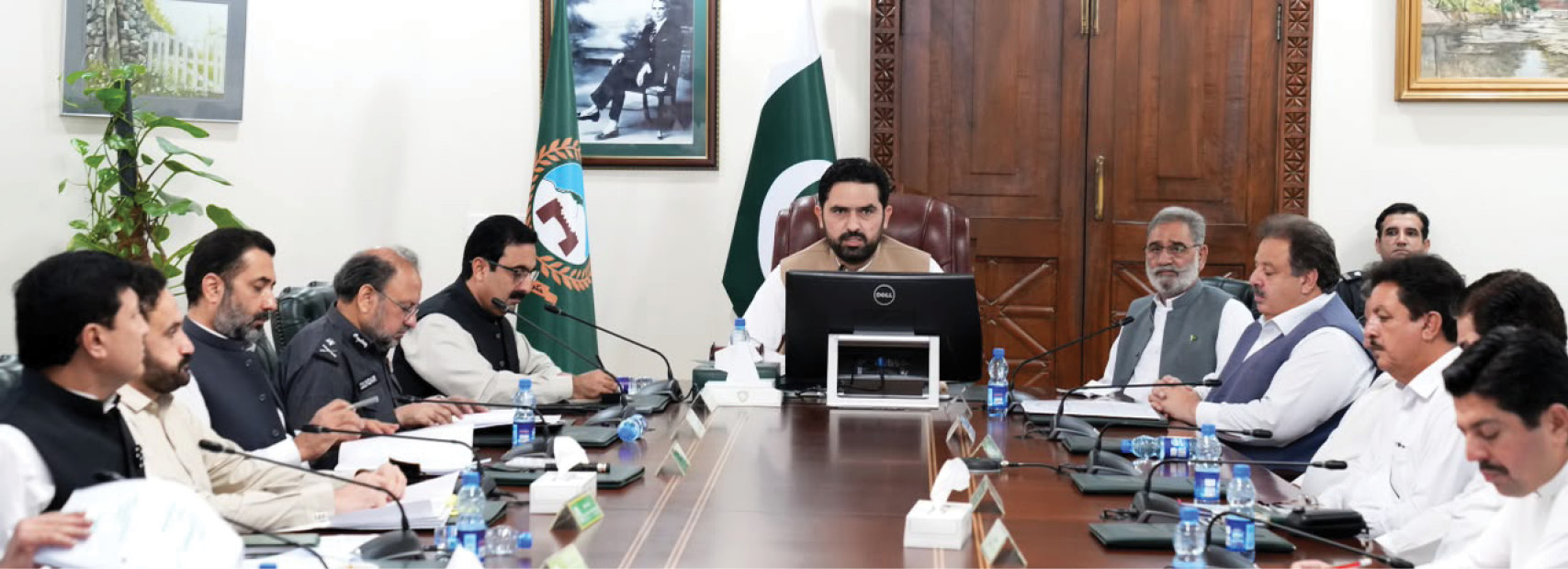
The deal was made during a four-nation meeting in Rome, where Interior Minister Mohsin Naqvi met his European counterparts. This agreement comes at an important time. In recent years, many Pakistanis have tried to reach Europe through dangerous sea routes. Some have fallen into the hands of human smuggling gangs.
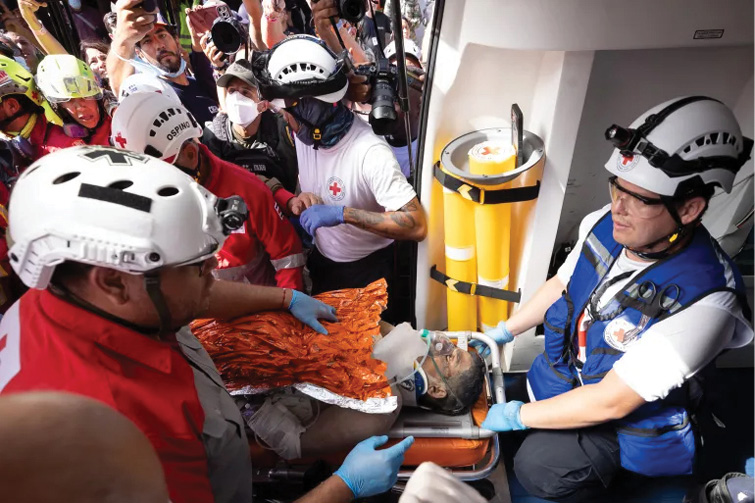
Tragic incidents, including deadly boat disasters in the Mediterranean, have shown the heavy human cost of irregular migration. The new plan focuses on two main goals. First, it aims to break the networks of smugglers who exploit desperate people.
This includes better border control, stronger information sharing and improved coordination between law enforcement agencies. European partners have also promised technical support to help Pakistan improve its enforcement systems. Second, the agreement seeks to expand legal migration pathways. This is a key point. Many young Pakistanis leave the country because they see no safe and lawful way to find work abroad. By increasing legal work and travel opportunities, the government hopes to reduce the demand for illegal routes.
The plan also includes the use of modern technology to detect forged travel documents and improve screening at airports and departure points. Greece has agreed to help train Pakistani police and paramilitary forces in modern methods. Another important part of the agreement is faster repatriation of people involved in serious crimes.Pakistan travel guide
The four countries also plan to hold follow-up meetings to review progress. This balanced approach – combining strict action against smugglers with expanded legal options – is sensible. However, enforcement alone will not solve the problem. Pakistan must also address the root causes of migration, such as unemployment and lack of opportunities at home.
If legal pathways truly expand and enforcement becomes stronger, this agreement could save lives and protect vulnerable people.