Defence Minister Khawaja Asif’s warning that India seeks to keep Pakistan “busy on both western and eastern fronts” must be taken at face value. The claim does not emerge from hyperbole. It rings true given New Delhi’s recalibrated outreach in Kabul and Islamabad’s simultaneous diplomatic and security setbacks.
India’s renewed presence in Afghanistan, reopening its embassy, expanding aid, and stepping into Kabul’s corridors of power, is strategically more than humanitarian outreach. For anyone sitting in Islamabad, it screams geopolitical leverage by proxy, a move to strain Pakistan’s western border while pressure mounts in the east. Pakistani officials believe Indian involvement deepens access to Afghan decision-making, bypassing Islamabad entirely. If true, Pakistan is being walled in.
Meanwhile, in Kabul, the Taliban government continues to reject Islamabad’s demand for a clear commitment to dismantle Tehrik-e-Taliban Pakistan (TTP) sanctuaries on Afghan soil. The ongoing Pakistan-Afghanistan talks in Istanbul were meant to offer respite, but as of now, Kabul is only ready for minimal assurances, rejecting third-party monitoring and offering only a “transfer” of fighters back to Pakistan. That exchange signals a burden shift, not a solution. United Nations sources estimate more than 6,000 fighters of the Tehrik?e?Taliban Pakistan (TTP) reside in Afghanistan and remain implicated in hundreds of attacks this year alone. The fundamental trust once placed in Afghan goodwill has deteriorated.
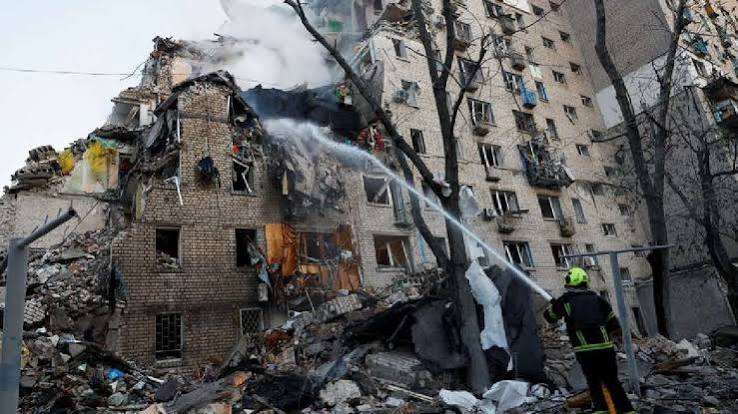
Pakistan’s cost is steep. In 2024, there were 1,081 terror-related deaths-a 45 per cent rise on the previous year. In the first nine months of 2025, more than 2,400 security personnel fell, most in Khyber Pakhtunkhwa and Balochistan. Pakistan’s red lines are simple yet profound: no safe havens, no attacks from across the border, and a viable monitoring mechanism. Dialogue remains important, but cannot replace deterrence. Essentially, the path forward demands more than complaint. Pakistan needs to first secure its borders and fortify its internal architecture. Intelligence coordination, border fencing, and local governance in frontier districts would have to be strengthened. No qualms about that. However, regional diplomacy must also shift. Islamabad needs to engage New Delhi and Kabul on equal footing. The regional environment permits no passive posture. This means pushing alliances beyond state-to-state talk: China, Gulf states, and Russia all have stakes in South-Asian stability, and therefore, we should be ready to take charge in shaping policy, not content with sitting on the fence or a little late-in-the-game response.
Pakistan has fought many wars it never chose. From the looks of it, this one, it is forced to finish. Ultimately, our fate will not rest in the outcomes of Istanbul or New Delhi’s goodwill, for it resides within the strength of a coherent policy. Only then will our territory cease to be a playground for proxy wars and external designs.