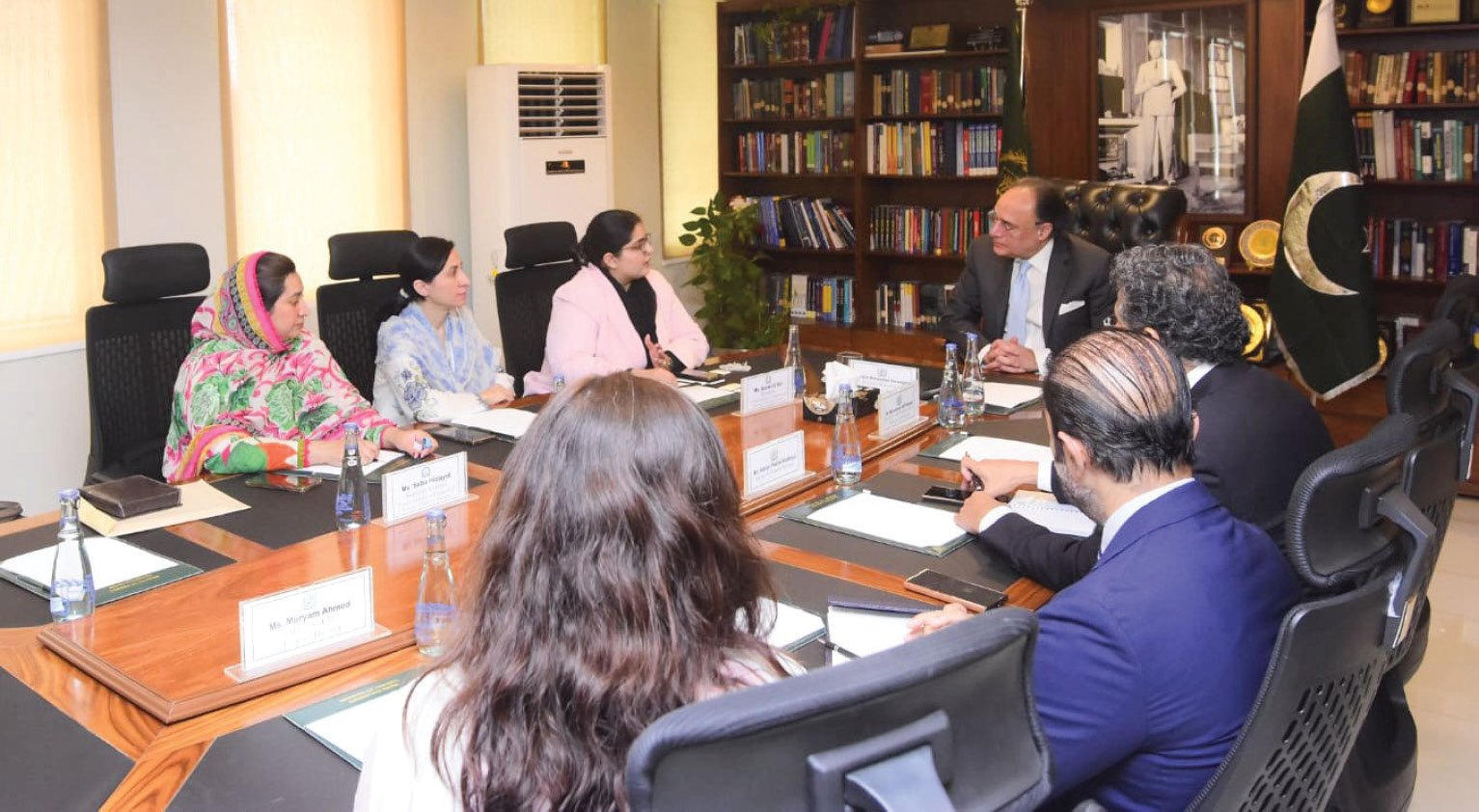
Mian Anjum Nisar says regional economies keep interest rates within a range of 5 to 7 percent
Islamabad
The Federation of Pakistan Chambers of Commerce and Industry (FPCCI) Businessmen Panel (BMP) has once again urged the State Bank of Pakistan (SBP) to reconsider its tight monetary policy and bring the key policy rate in line with regional economies to revive investment, boost industrial output, and restore business confidence.
The appeal follows the SBP’s recent decision to maintain the benchmark interest rate at 11 percent during its October 2025 Monetary Policy Committee meeting, marking the fourth consecutive decision to hold rates at the same level.
BMP Chairman and former FPCCI President Mian Anjum Nisar said that although inflation has eased to a single-digit level and macroeconomic indicators show signs of stabilization, the continuation of such a high policy rate is not justified. He stated that regional economies have kept their interest rates within a range of 5 to 7 percent, which has allowed them to stimulate industrial growth and attract investment, whereas Pakistan’s elevated borrowing cost continues to act as a major obstacle for businesses and exporters.
He explained that a high interest rate discourages borrowing, restricts credit flow to the private sector, and increases the cost of production, ultimately affecting exports and employment. The central bank’s cautious stance, he said, has created a liquidity squeeze in the market, resulting in reduced business expansion, lower capital formation, and a slowdown in industrial activity. Mian Anjum Nisar emphasized that this policy approach, while aimed at controlling inflation, is counterproductive in an environment where inflation is already cooling and economic growth remains sluggish.
The BMP Chairman said that in the absence of major fiscal stimulus, monetary policy remains the primary tool to support growth, and therefore, it must be recalibrated. “We believe the State Bank should now shift its focus from pure stabilization to growth. Inflation has significantly declined, and it is time to provide relief to the productive sectors. The private sector is the engine of the economy, and keeping interest rates at double-digit levels makes it impossible for businesses to operate competitively,” he remarked. He added that such high borrowing costs not only hurt industrial investment but also discourage small and medium enterprises (SMEs) from accessing finance, as they cannot afford expensive credit.
Mian Anjum Nisar called upon the SBP to take inspiration from regional peers who have successfully balanced inflation control with growth by using regulatory tools instead of excessively high policy rates. He said that countries such as India, Bangladesh, and Vietnam have managed to contain inflation while maintaining business-friendly interest rates, thereby supporting exports and industrial expansion. “Pakistan must follow a similar path. Our economy needs production and exports, not contraction through excessive monetary tightening,” he said.
The BMP chief also demanded that the government take immediate steps to reduce electricity and gas tariffs, particularly for the SME sector, which forms the backbone of Pakistan’s industrial base. He said that these measures, combined with a cut in interest rates, would significantly lower production costs, enhance competitiveness, and help local industries capture a greater share in regional and global markets. He added that Pakistani exporters are losing their edge due to the high cost of credit and energy, which make their products more expensive compared to those from neighboring countries.
Mian Anjum Nisar stated that while the SBP has shown prudence in maintaining stability in the financial system, it must now demonstrate flexibility to stimulate real economic growth. He noted that despite multiple rate cuts earlier this year, the impact has been limited because the current level of 11 percent still remains well above the regional average. “The business community appreciates the central bank’s efforts to bring inflation down and stabilize the exchange rate, but now it is time to move forward. The present interest rate regime is choking growth, investment, and job creation,” he said.
He also highlighted that the tight monetary policy of recent years has failed to deliver the desired outcomes. Instead of curbing inflation effectively, it has restricted access to finance, led to a decline in industrial output, and caused a slowdown in exports. The rupee’s depreciation against the dollar, high energy costs, and shrinking export margins have further worsened the situation. “A reduction in the policy rate will immediately improve investor sentiment, stimulate economic activity, and encourage businesses to expand production. This, in turn, will create employment opportunities and strengthen the overall economy,” he added.
Mian Anjum Nisar pointed out that many small and medium enterprises are struggling to survive under current conditions. With inflation falling and external stability improving, there is a clear window of opportunity for the SBP to take decisive action in favor of growth. He suggested that the central bank should design targeted financing schemes for SMEs, exporters, and manufacturing sectors to ensure that the benefits of lower rates directly reach those who drive economic output. He also called for simplified lending criteria and collateral requirements to encourage financial inclusion and facilitate easy access to credit.
The BMP Chairman further noted that Pakistan’s economic challenges are not limited to inflation but extend to structural issues that require coordinated policy responses. He said that the government and the SBP must work hand in hand to create a policy environment that promotes investment, productivity, and competitiveness. “A lower interest rate regime will complement fiscal reforms and help Pakistan transition from a consumption-based economy to a production-oriented one,” he said.