PESHAWAR
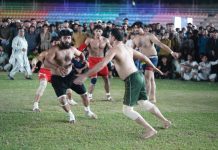
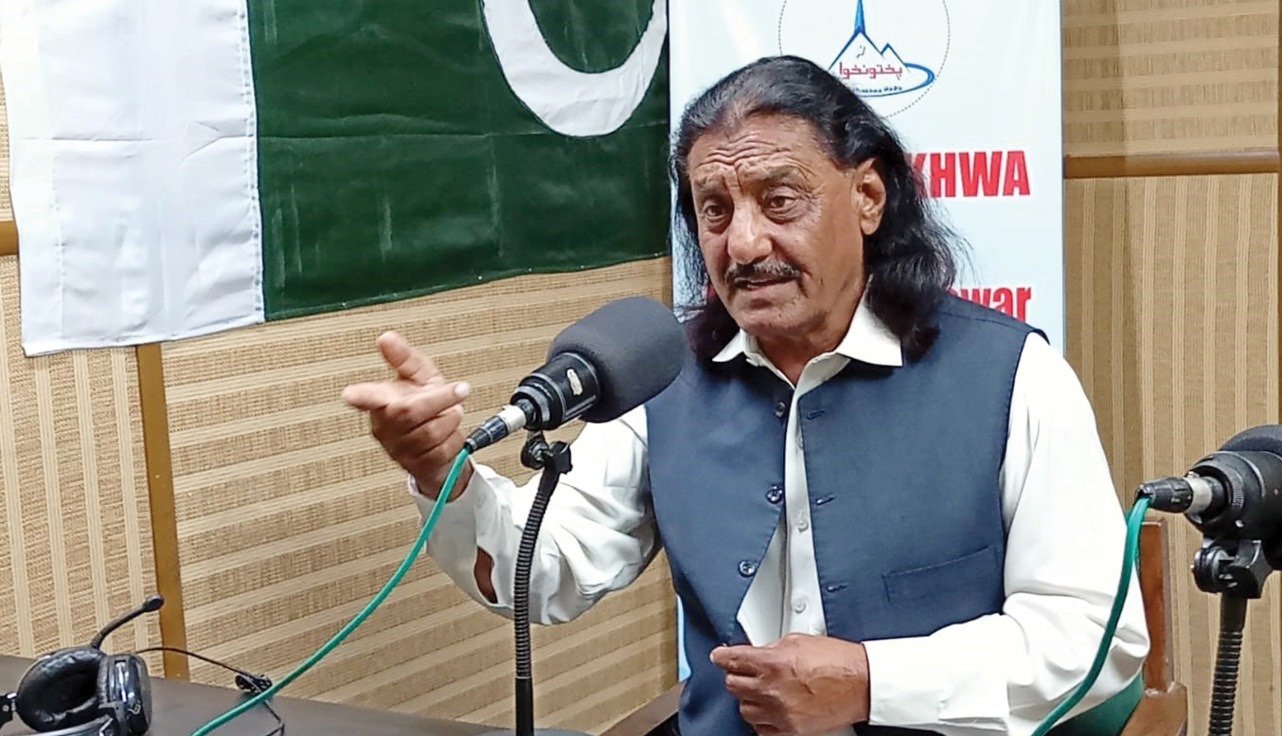
Syed Sultan Bari, Secretary of the Khyber Pakhtunkhwa Kabaddi Association and an international referee, has highlighted the pressing need for government support and resources to promote kabaddi at the grassroots level in Khyber Pakhtunkhwa. He noted that although the younger generation is enthusiastic about the traditional sport, a lack of government support presents significant hurdles for aspiring players. Speaking on Pakhtunkhwa Radio FM 92.2’s program Sports Round-Up, hosted by young journalist Wisal Yousafzai, Bari emphasized the sport’s challenges and its potential for growth with the right support.
Syed Sultan Bari pointed out that while kabaddi enjoys popularity in both Pakistan and India, it does not receive the same level of recognition in Pakistan as it does in India. In India, the kabaddi league has multi-million rupee prizes, with each player earning substantial awards. In Pakistan, however, kabaddi players struggle with limited resources, often balancing daily responsibilities with their passion for the sport.
He urged the government to provide kabaddi players with similar support as other sports, including appointing kabaddi players as sports teachers in educational institutions and recruiting kabaddi coaches within the sports department. This, he argued, would enable youth training at the grassroots level and offer players respectable employment.
With limited funding, the Kabaddi Association is unable to provide players with a monthly stipend or other essential facilities. Despite these financial constraints, the association organizes kabaddi tournaments in various districts across Khyber Pakhtunkhwa, including Peshawar, Charsadda, Mardan, Haripur, Bannu, and Swabi.
Bari also highlighted kabaddi’s growing international appeal, with various styles such as Asian-style, Pro Kabaddi, Indoor Kabaddi, and Beach Kabaddi being played worldwide. He cited the Iranian team’s progress, which has reached a prominent position on the global stage after initially learning the sport from Pakistan.
Reflecting on India’s kabaddi league, Bari noted that players there receive incentives worth over two billion rupees, with individual earnings reaching eight to nine crore rupees. In contrast, Pakistani players do not receive similar support. With comparable incentives and opportunities, Pakistan’s national kabaddi team could achieve significant success on the international level once again.
He stressed the importance of the referee’s role in any sport, stating that impartial decisions are essential to the referee’s respect. As the central referee in Pakistan’s Kabaddi World Cup, he gained both national and international recognition.
Bari also shared efforts to promote women’s kabaddi in Khyber Pakhtunkhwa, with tournaments at inter-college and school levels to encourage female athletes. He revealed plans for a women’s kabaddi tournament in Peshawar Division in the near future.
In his closing remarks, Syed Sultan Bari called upon the provincial government, as well as the sports and education departments, to extend support for kabaddi, provide financial assistance to players, and recognize kabaddi as a valued sport on par with others. This, he believes, would enable kabaddi to achieve its true potential in Khyber Pakhtunkhwa.