Petroleum Minister Ali Pervaiz Malik has confirmed that Pakistan is considering cheaper oil and gas purchases from Iran, days after a temporary easing of US sanctions reopened a door kept shut for years. His assurance that the government is working to reduce fuel prices, and that “good times are coming now,” will be heard closely by consumers who have just seen petrol and high-speed diesel kept unchanged at Rs 299.50 and Rs 311.47 a litre after last week’s cut.
The question in the market is simple. If global crude has eased and tankers are once again moving through the Strait of Hormuz, why has relief abroad not brought another cut at home? The opposition says the government is protecting oil companies. That charge may travel well online, but fuel pricing cannot be explained by slogans alone. It needs a cleaner accounting of Arab Gulf product prices, exchange-rate movement, freight, import premiums, inventory timing, refinery margins, and the petroleum levy.
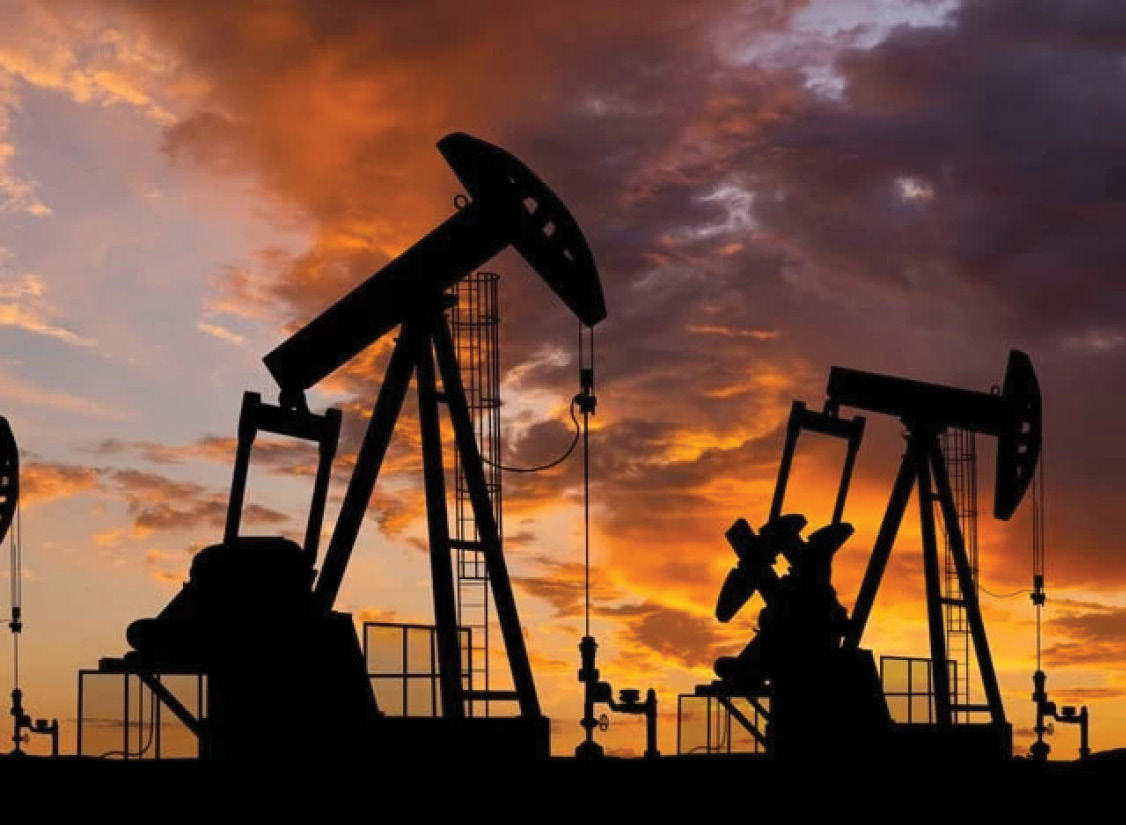
Iranian oil is worth exploring. Pakistan imported nearly $17 billion worth of petroleum products last year, and even a modest discounted supply from next door would matter. Industry estimates suggest that sourcing 10 to 20 per cent of Pakistan’s requirement from Iran could save $170 million to $340 million.Balochistan Travel Tips
Yet the Iranian option should not be sold as instant relief. The US authorisation is temporary and runs only until August 21. Banks, insurers, shippers and refiners do not make durable commercial plans on a window that may close in 60 days. Pakistan should talk to Tehran, but it should not build public expectations on a diplomatic opening that remains fragile.
There is also the refinery problem. Pakistani refineries can process some Iranian crude, especially lighter grades. Nevertheless, cheap crude may lose its attraction once furnace oil yield and refinery configuration are also accounted for. Pakistan saw a similar script with Russian crude when discounted oil made attractive headlines, while refining it through a system built mainly around lighter Middle Eastern grades proved harder than the politics suggested. India’s refineries can absorb difficult crude because they have deeper conversion capacity. Our system is thinner, apart from limited cracking capacity at Parco, and upgrade plans such as PRL’s expansion project.
The government can reduce distrust by publishing a plain fortnightly pricing sheet. If last week’s cut was helped by earlier freight, premium or procurement savings, say so. If the levy is being kept within limits, hold a press conference, explain the numbers and say so. Cheap oil can buy breathing space. However, as always, a little dash of honesty and transparency tends to go a long way.