American researchers say restrictions on Chinese imports could help create complications for Beijing’s economic growth target next year
BEIJING
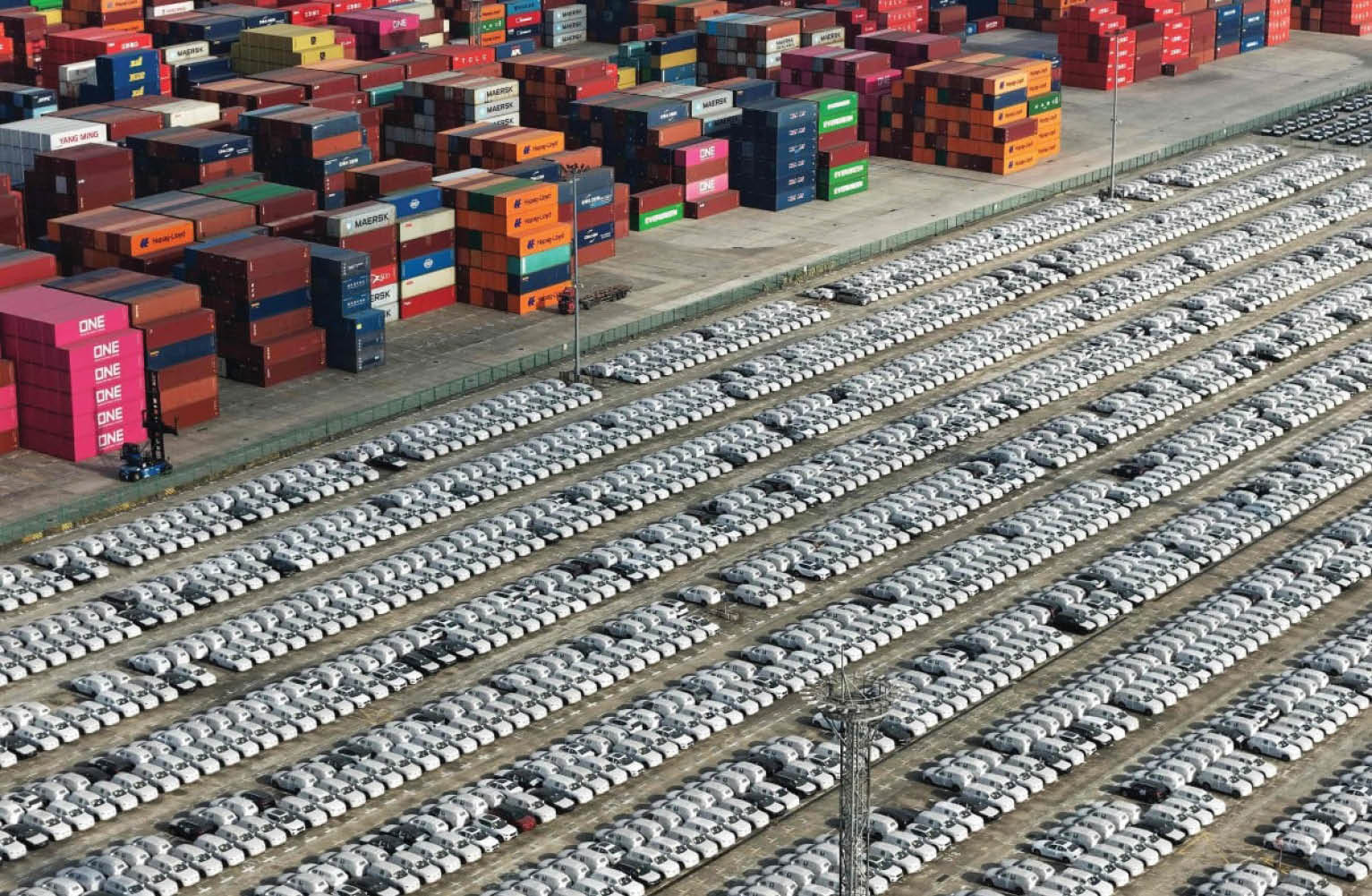
While China has already logged a record-breaking trade surplus in the first 11 months of 2025, that milestone could be a harbinger of more protectionist pushback, an American research firm said on Monday – a development that could complicate the country’s efforts to meet its economic growth target in 2026.
Though export performance remains the “most important” variable for China’s real economic growth rate next year, trade measures adopted by other countries and weaker demand will also have an impact, according to Rhodium Group co-founder Daniel Rosen.
Changes to external demand and inventory restocking in developed economies – which the International Monetary Fund expects will see a continuous slowdown in 2026 – remain risks to China’s export hopes according to Monday’s report from Rhodium, which Rosen co-authored.
In particular, Europe or emerging markets could “push back more strongly” against Chinese trade practices, he said, building on or augmenting restrictions that have already been placed on imports of the country’s goods.
In the first 11 months of 2025, China’s trade surplus surpassed the US$1 trillion benchmark set in the whole of last year – an achievement Rosen attributed to the country’s endeavours to diversify its trade and the depreciation of the real exchange rate, a trend he said was consistent with domestic deflationary pressures.
“These lower prices have allowed China to diversify its exports away from the United States,” Rosen added.
“Direct exports to the US have declined sharply – 20 to 30 per cent year on year every month since April – but exports to all other regions are increasing, especially Africa, the European Union and Asean [the Association of Southeast Asian Nations].”
Rosen noted that China’s export prices have declined for a third consecutive year, resulting in a 10 per cent growth in export volume, adding import demand “similarly appears subdued”, having only grown by 0.1 per cent in yuan terms from January to November.
Net exports accounted for 29 per cent of the country’s gross domestic product growth in the first nine months of the year, government data showed.
Beijing is widely expected to repeat this year’s “around 5 per cent” target for GDP growth in 2026. Major financial institutions are now estimating the intensity of global headwinds against China’s level of policy support as they determine their own forecasts for next year.
Morgan Stanley, for instance, projected a 4.8 per cent growth rate for 2026, saying Beijing’s more reactive approach to policy formulation would not be enough to turbocharge domestic demand.
In the Rhodium report, Rosen and his colleagues argued that fading motivation for expansive fiscal policy could limit infrastructure spending, leading to weak momentum for new investment in the beginning of 2026 as export-heavy industries rest and a prolonged downturn in the property market continues to weigh on activity.
“All important components of fixed-asset investment – manufacturing, infrastructure and real estate – now show malaise,” he said.
China’s manufacturing investment has come under pressure in the second half of the year – falling from 9.2 per cent growth in 2024 to 1.9 per cent for the first 11 months of 2025 – due to uncertainties generated by the trade war with the US and ripple effects from declining property investment, the Rhodium researchers said.
Even with a successful campaign to rein in fierce intra-industry competition that has slashed profits and sent prices tumbling in several sectors, Rosen explained, “prices will discourage new manufacturing investment in the short term.”
Consumption, frequently cited by China’s policymakers as a major driver of future growth, was named in the Rhodium report as an area of weak momentum heading into 2026.
Though Beijing rolled out a set of measures designed to promote services consumption in September, Rosen said their effect would be marginal on spending next year, adding “more fundamental reforms” would be able to “lift income growth and reduce China’s high savings rate” over the course of “multiple years”.
In its annual assessment of China’s economy, the IMF urged Beijing to shift towards a consumption-led model to compensate for global trade tensions and other complicating factors.
Han Wenxiu, deputy director of the general office of China’s Central Financial and Economic Affairs Commission, was quoted by state broadcaster CCTV at a conference earlier this month saying actions should be taken to boost consumption, including increasing household incomes and raising pensions.